The Quarry-Stone Heights
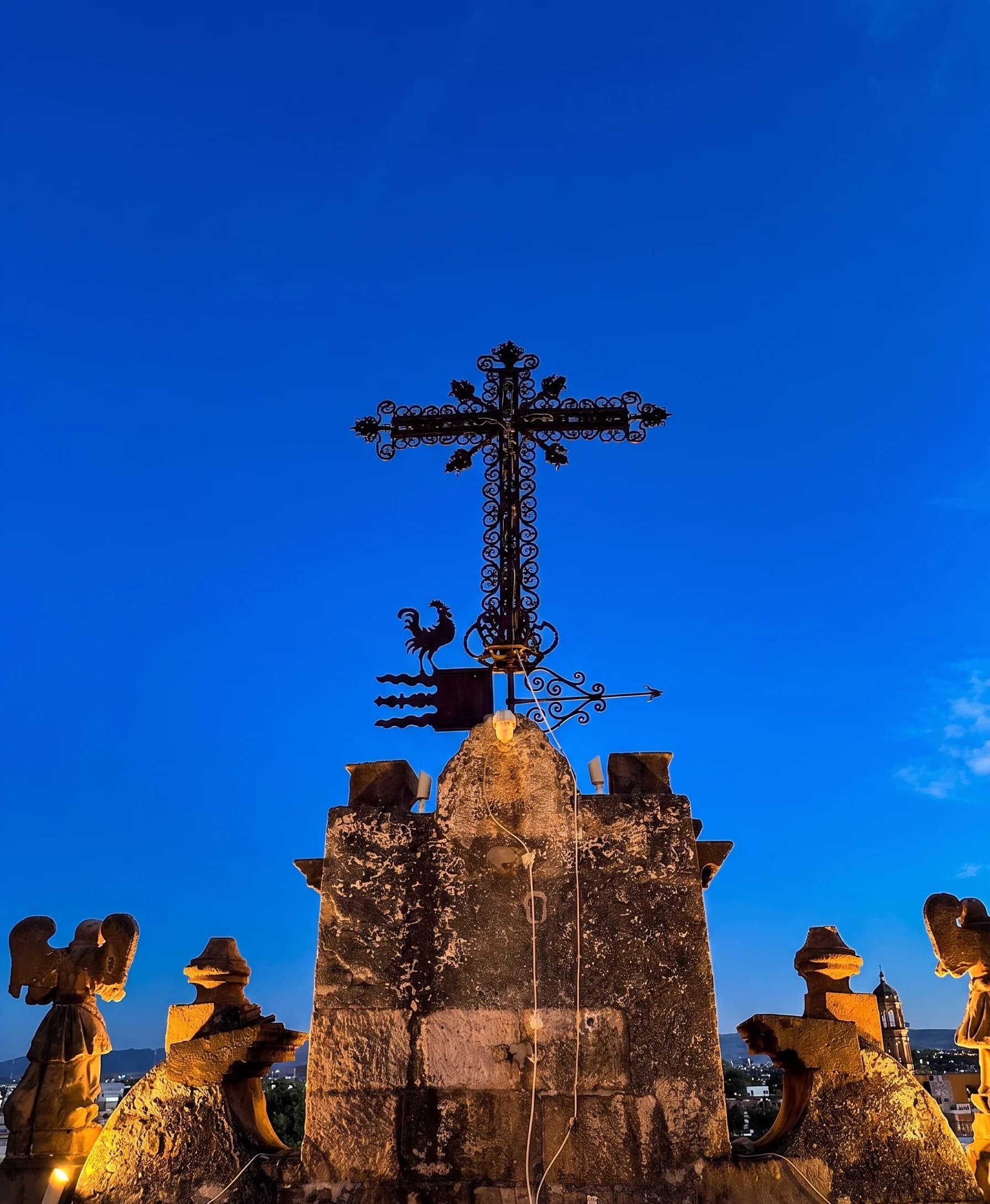
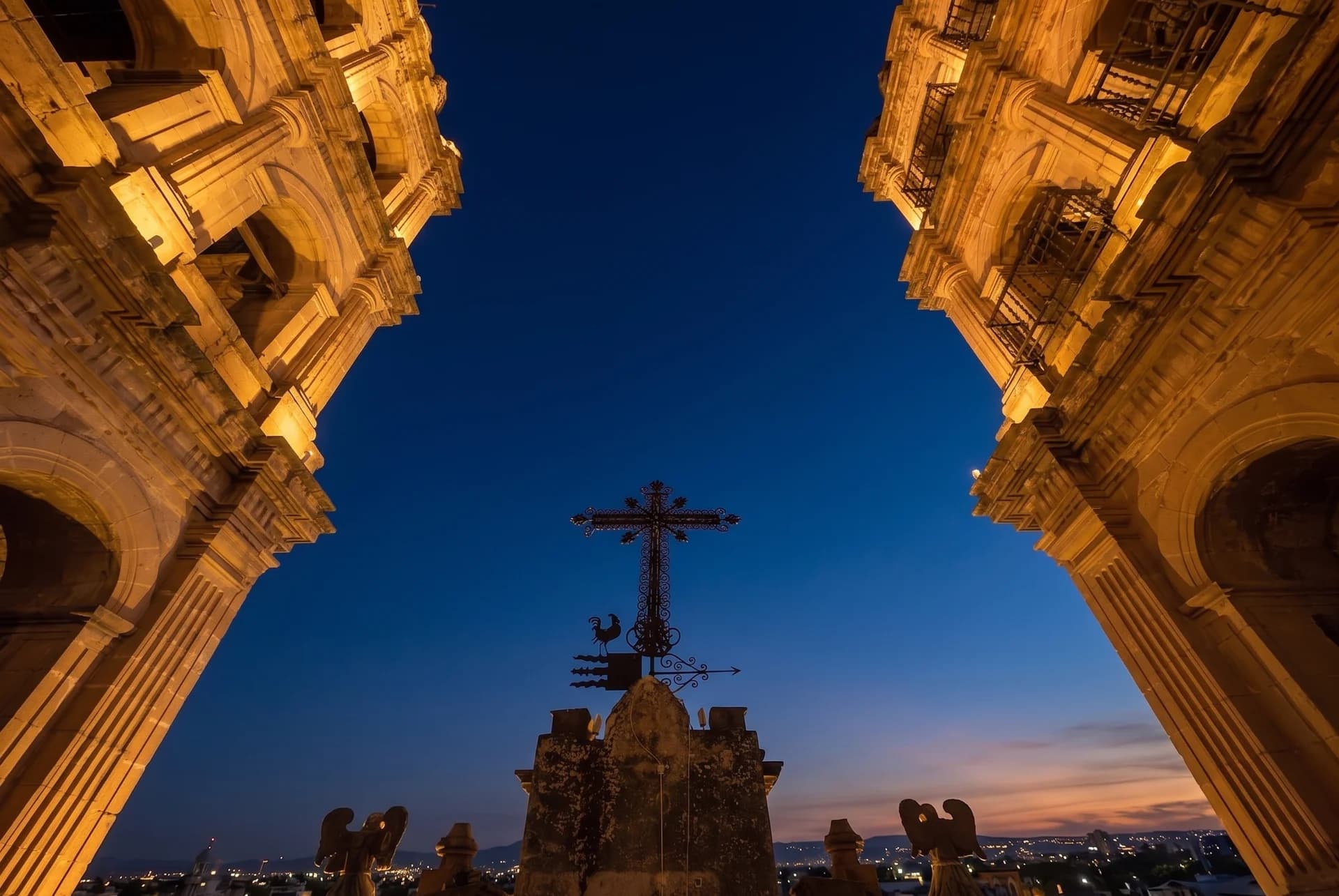
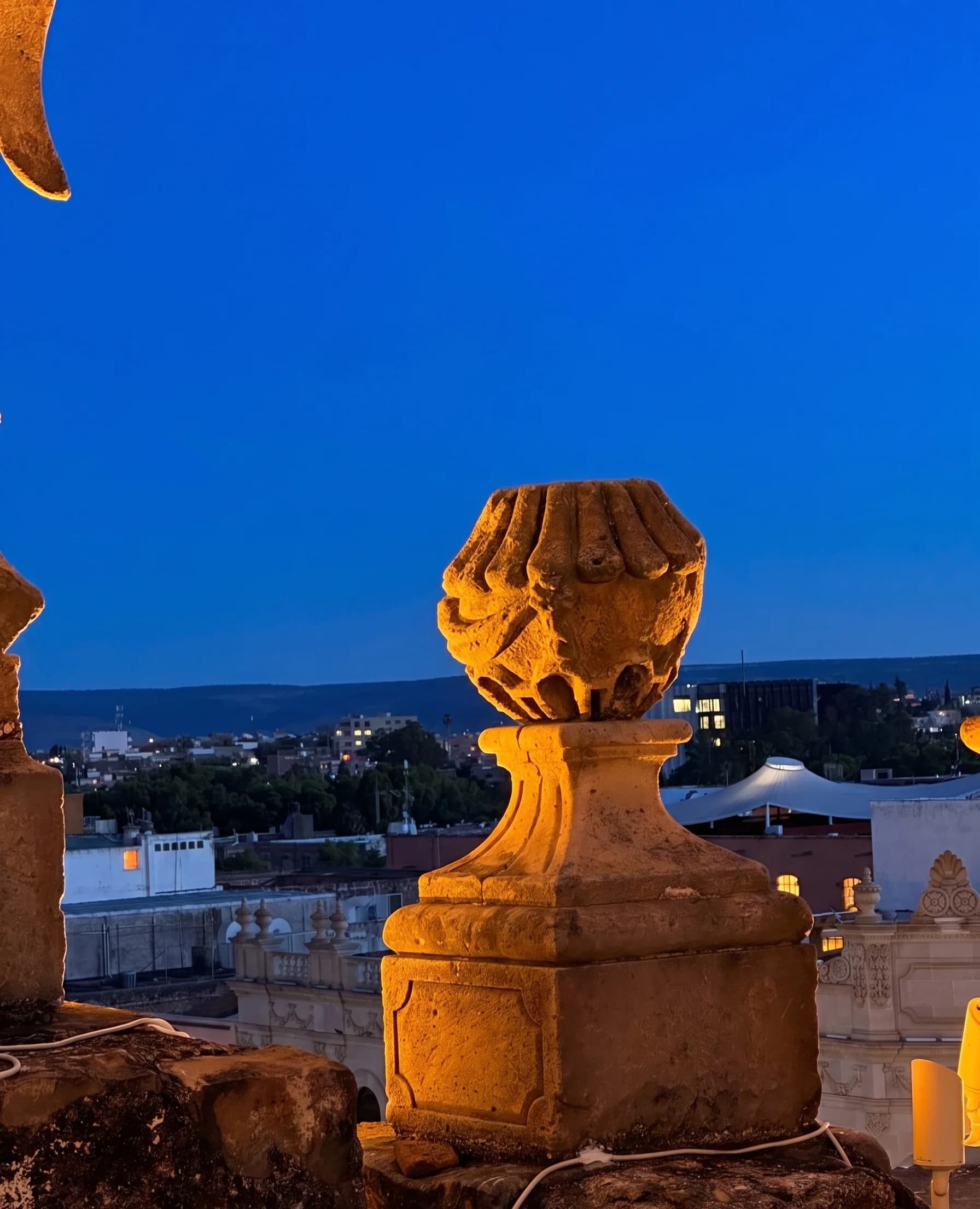
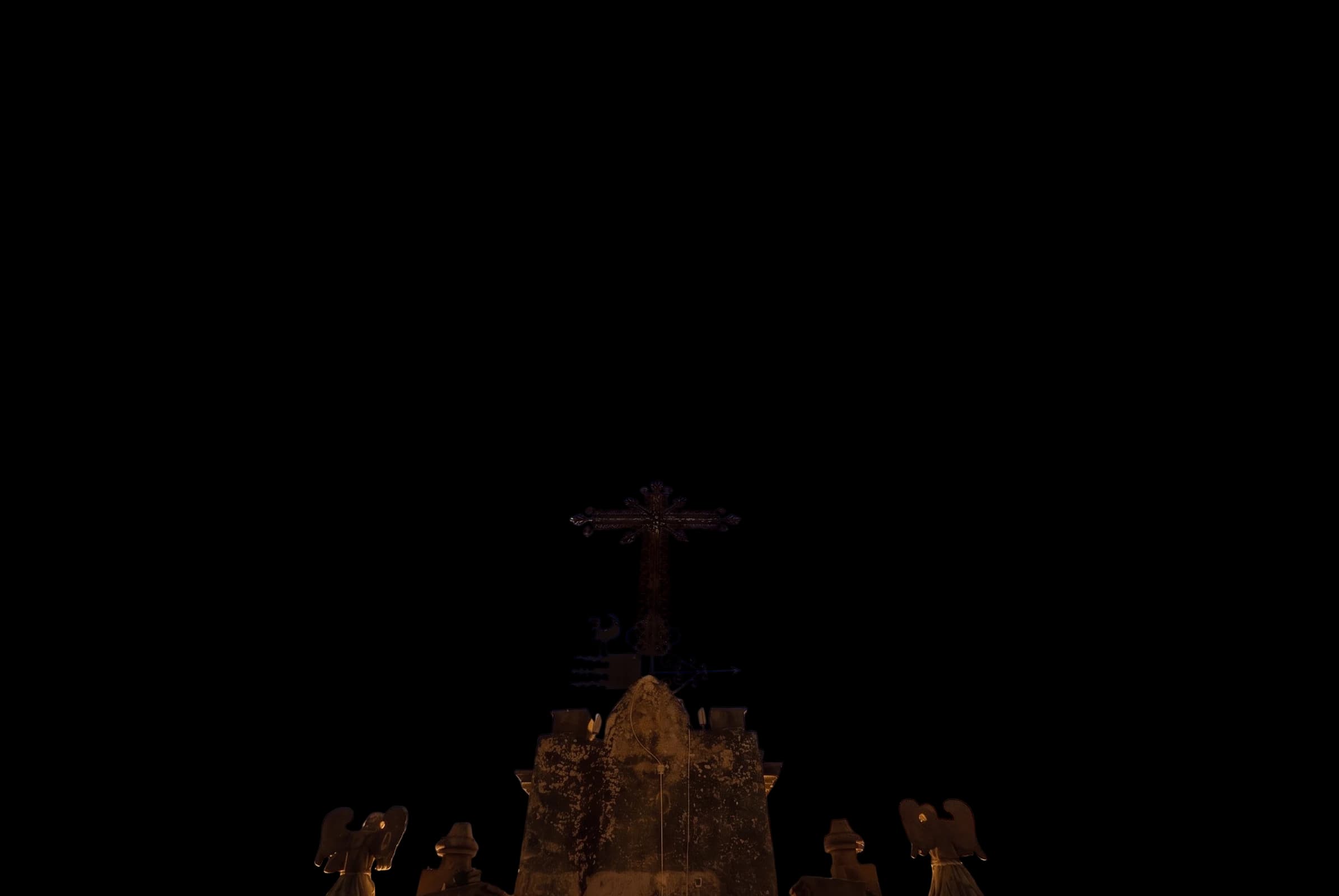
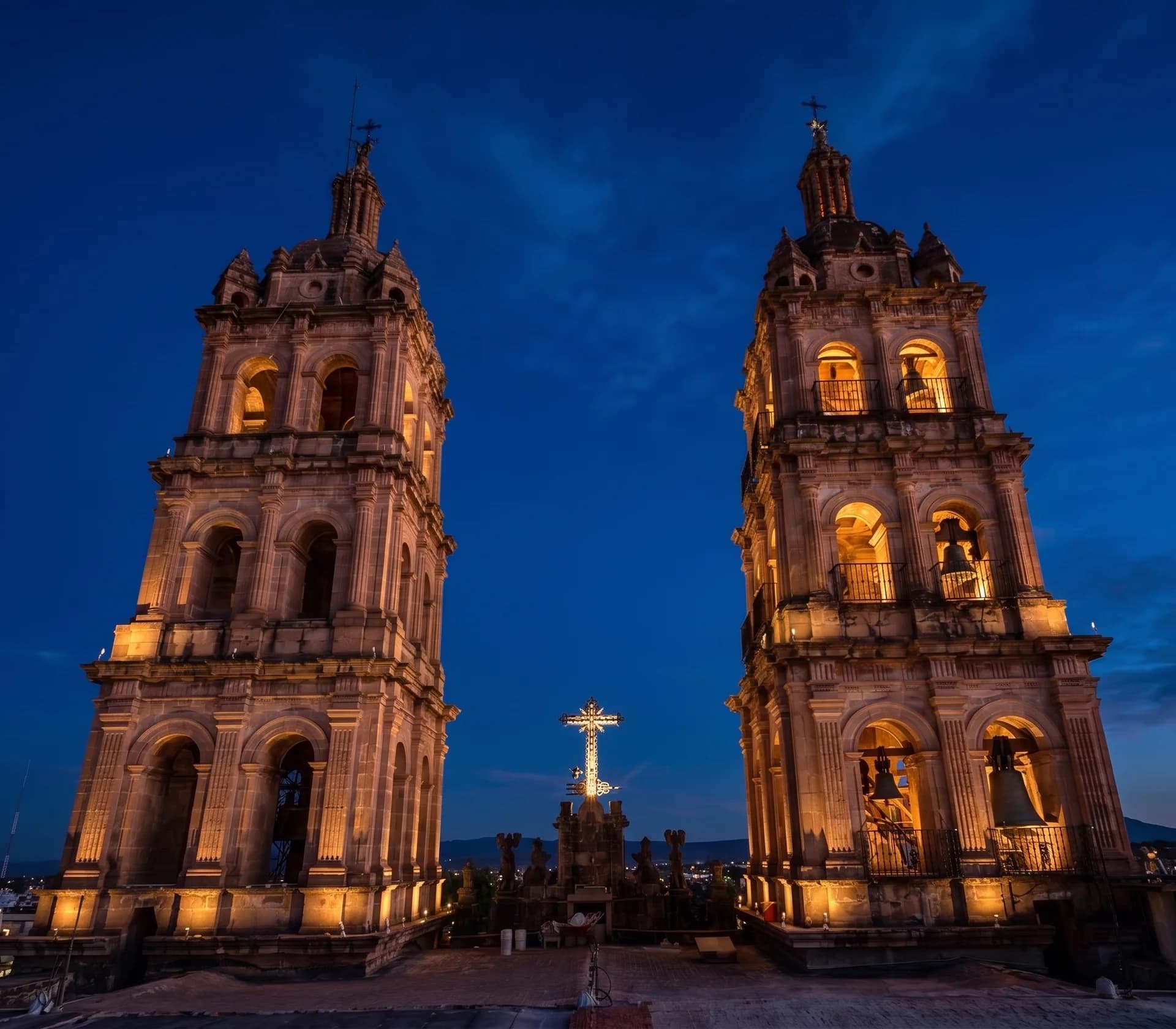
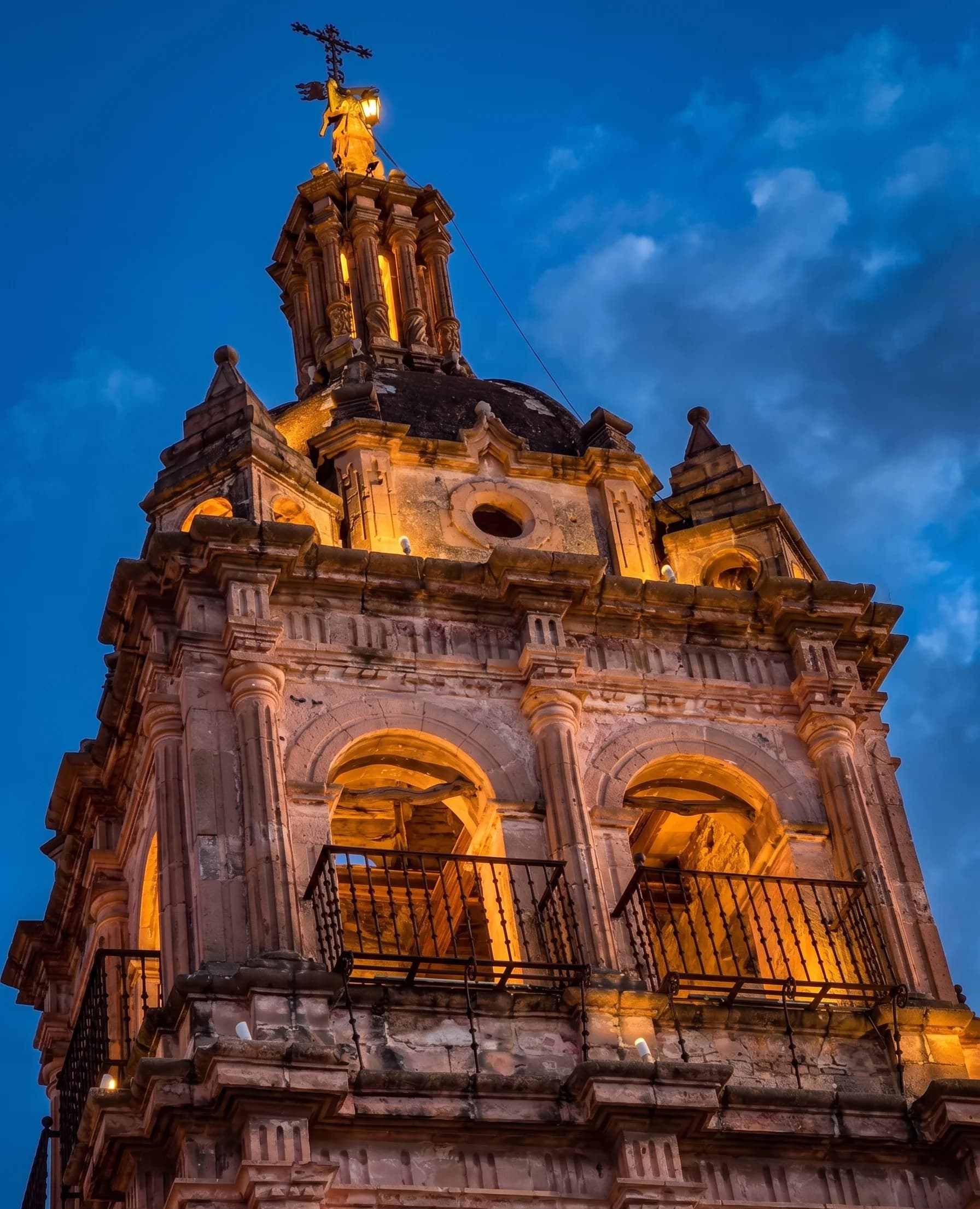
View of the upper roofs where the main lantern, the iron cross, and the west tower can be seen.
The
Monumental Height
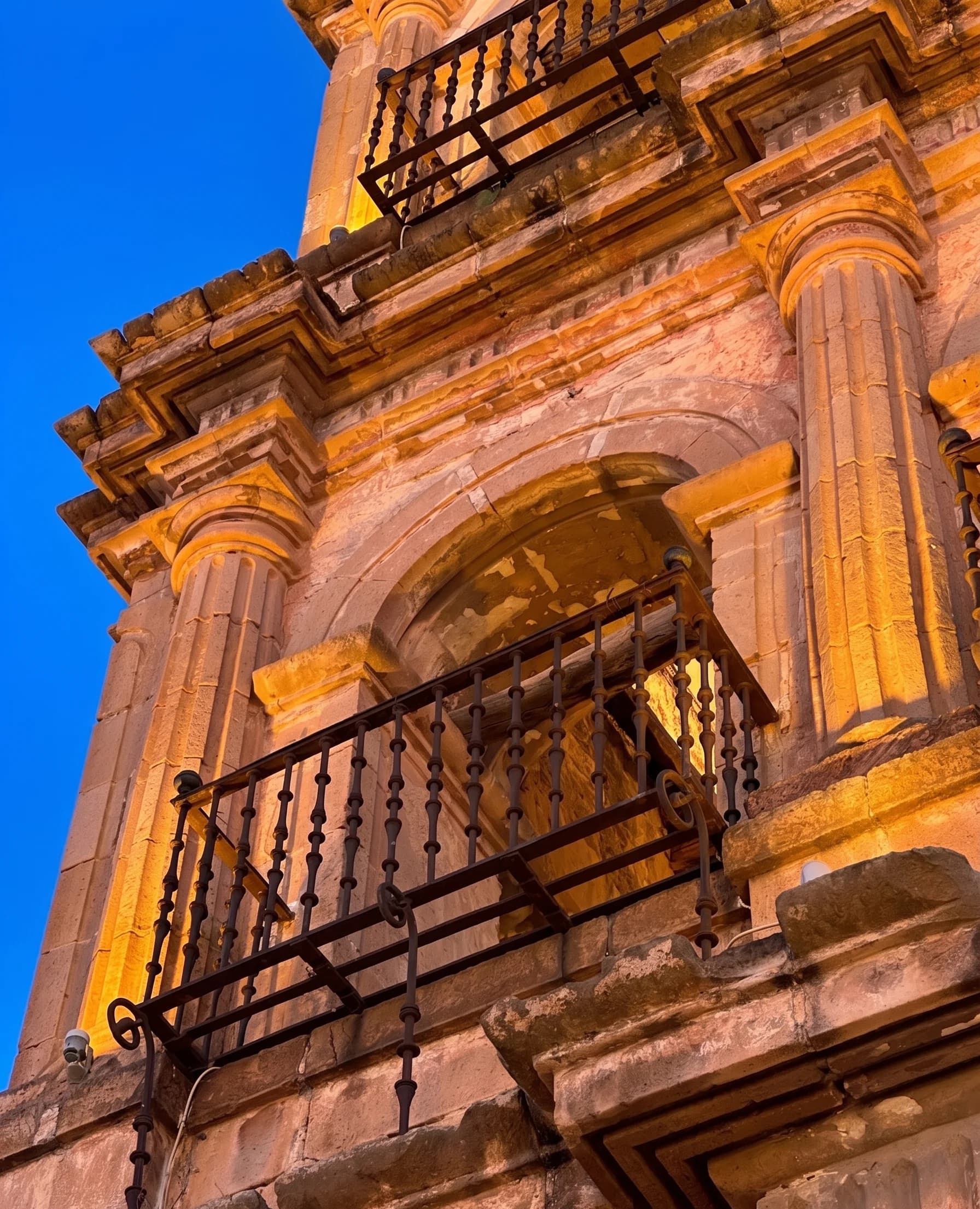
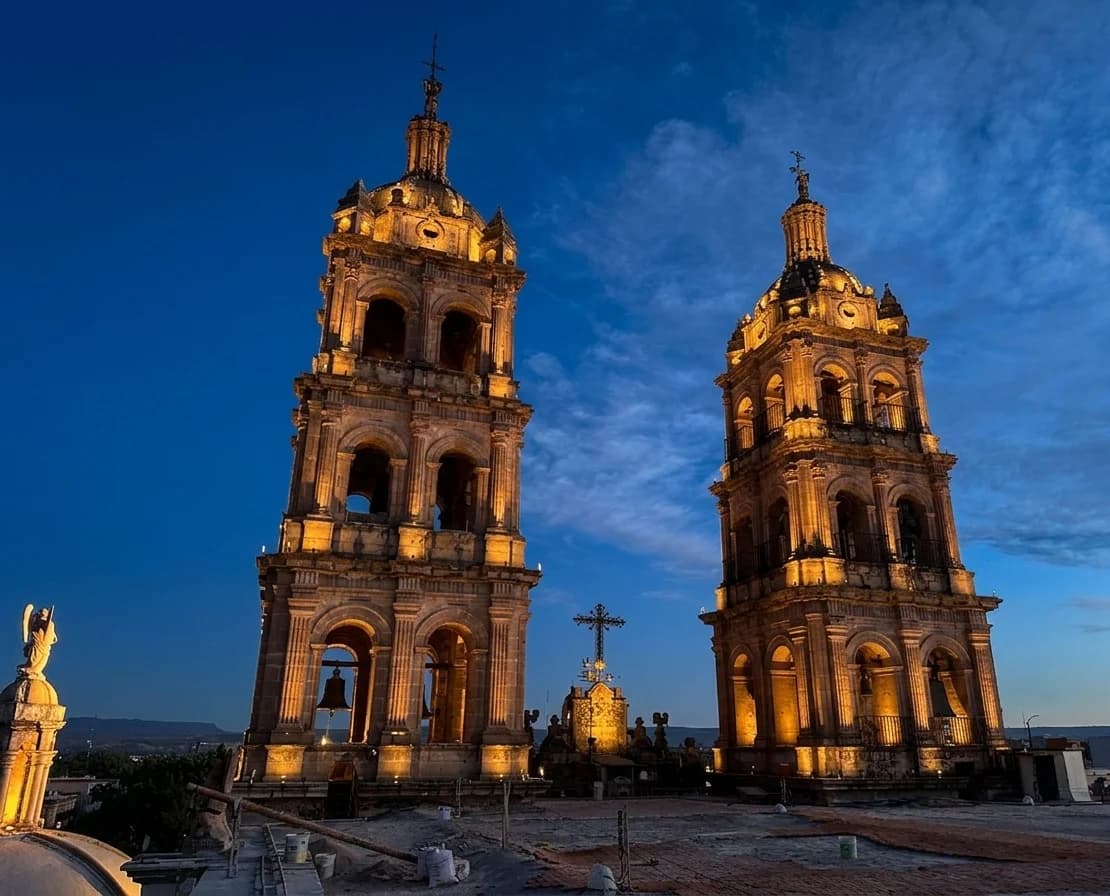
The physiognomy of the Cathedral of Durango is defined by the majesty of its two classically inspired towers, whose construction reflects the technical and temporal challenges of the colonial era. The west tower began its ascent in 1699 under the direction of Simón de los Santos, reaching its two elevation tiers by 1704. This bell tower was completed in 1721 by Master José de la Cruz, adorned with twenty-four iron balconies brought from Seville in 1715 and installed by Nicolás Bernal.
For its part, the east tower had a more prolonged process. Although master José de la Cruz worked on it in the early 18th century, it remained unfinished until Nicolás Morín completed it between 1784 and 1787. Unlike its twin, this tower incorporated a clock on its façade during the 19th century and has only two bells, later consecrated by Archbishop Antonio López Aviña, evidencing how each historical stage left its particular mark on the ensemble.
Columns and Balustrades
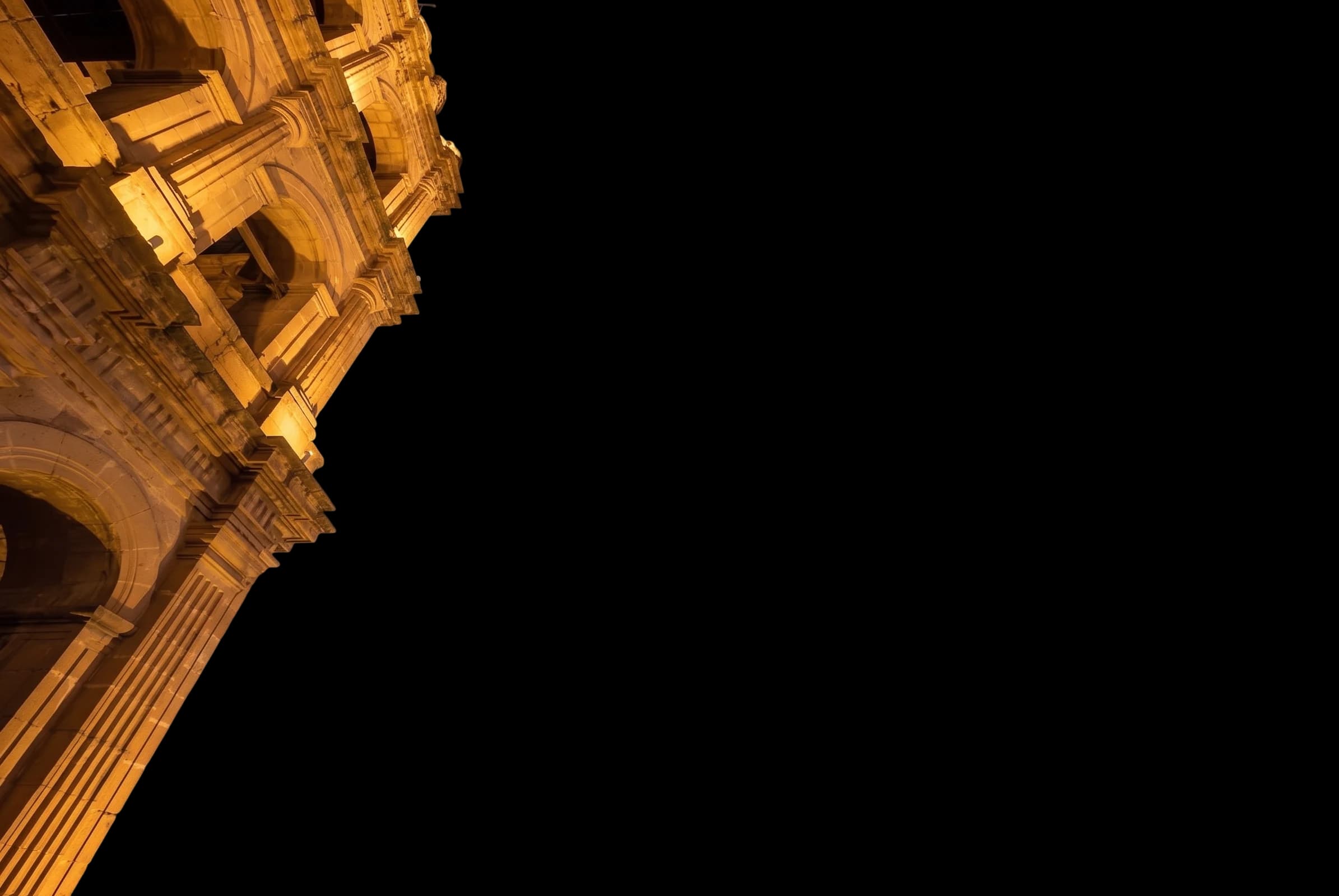
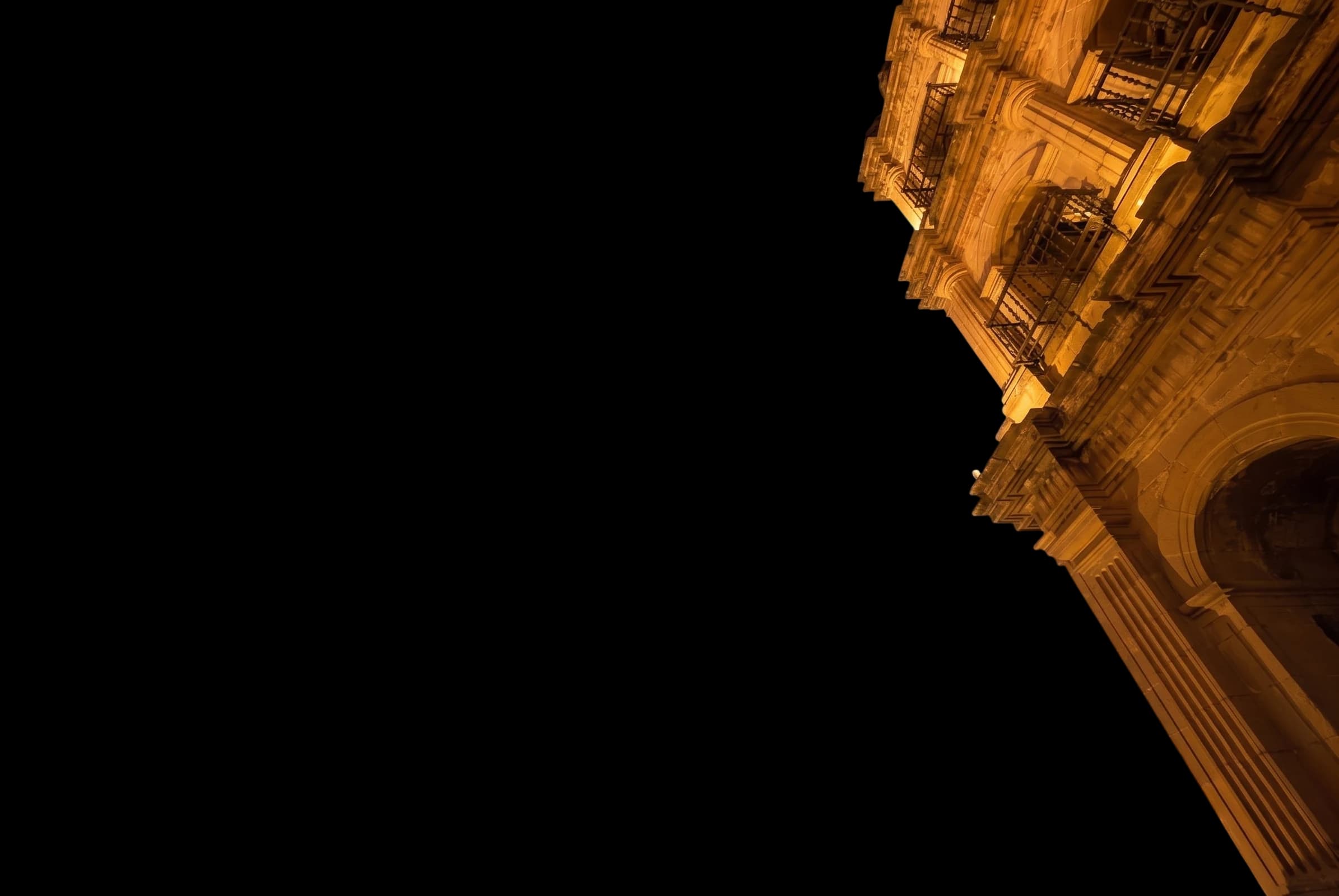
The upper body of the towers stands out for its freestanding columns framing the bell tower openings, surrounded by an imposing gray quarry-stone balustrade crowning each cornice.
Guardians of Quarry Stone
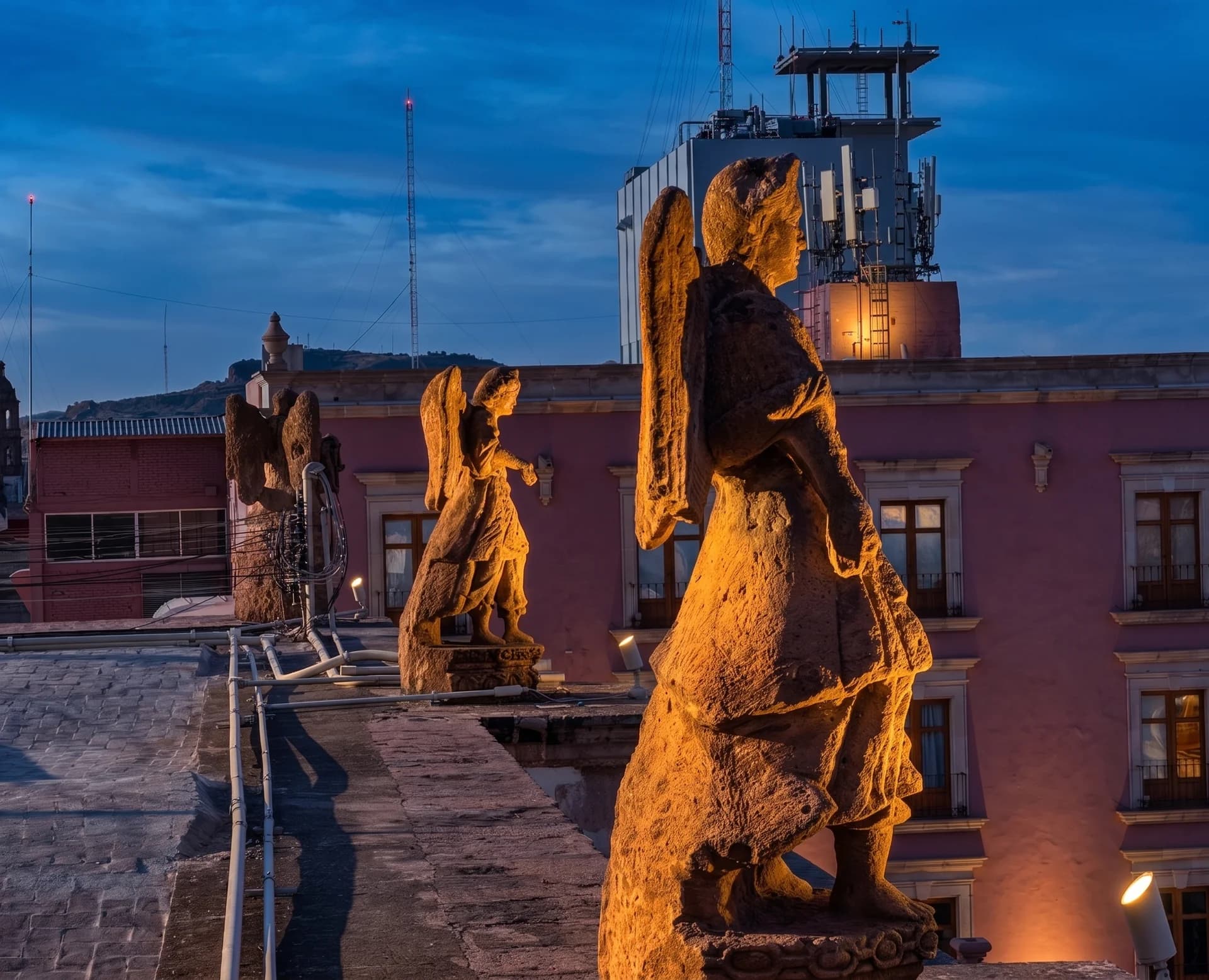
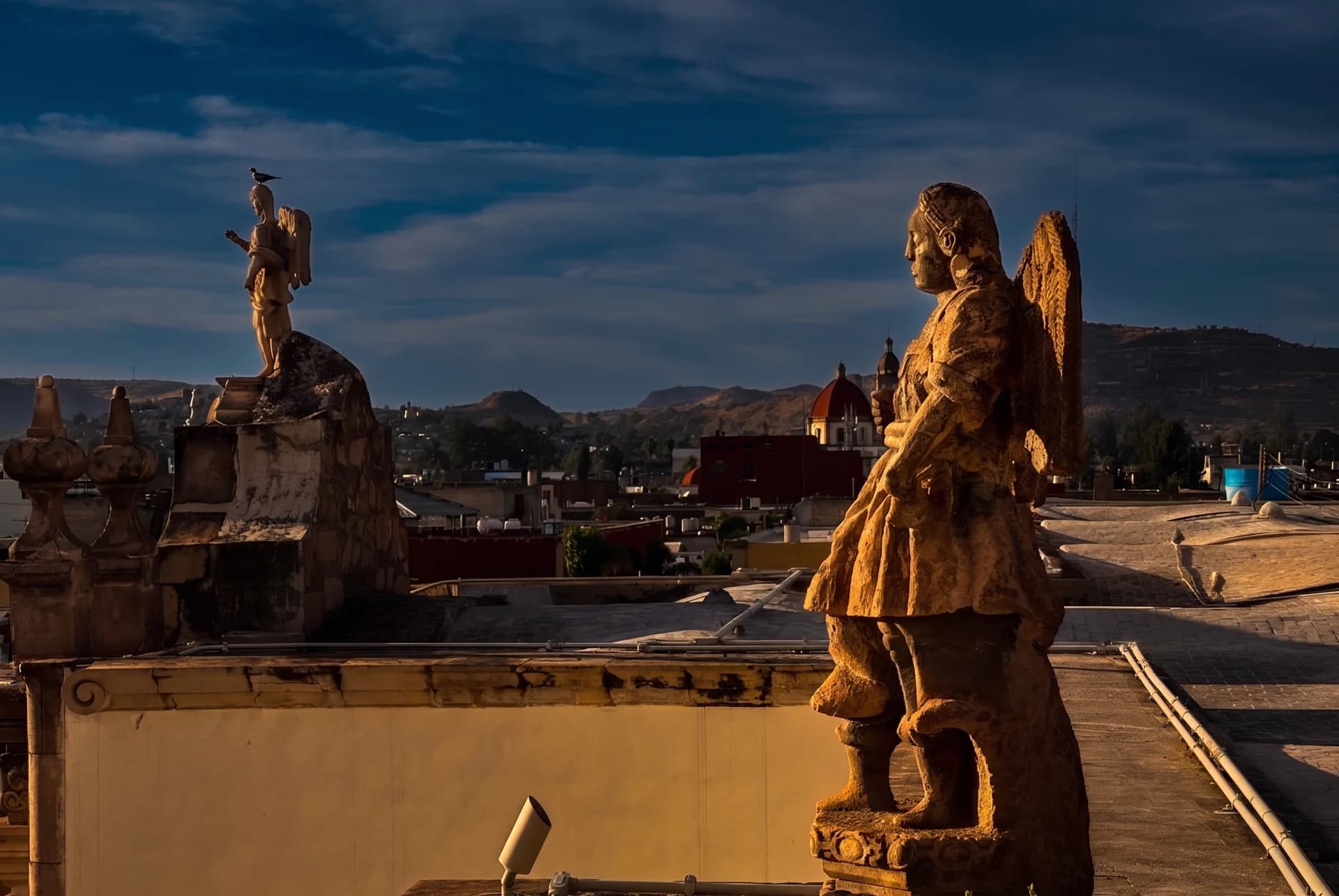
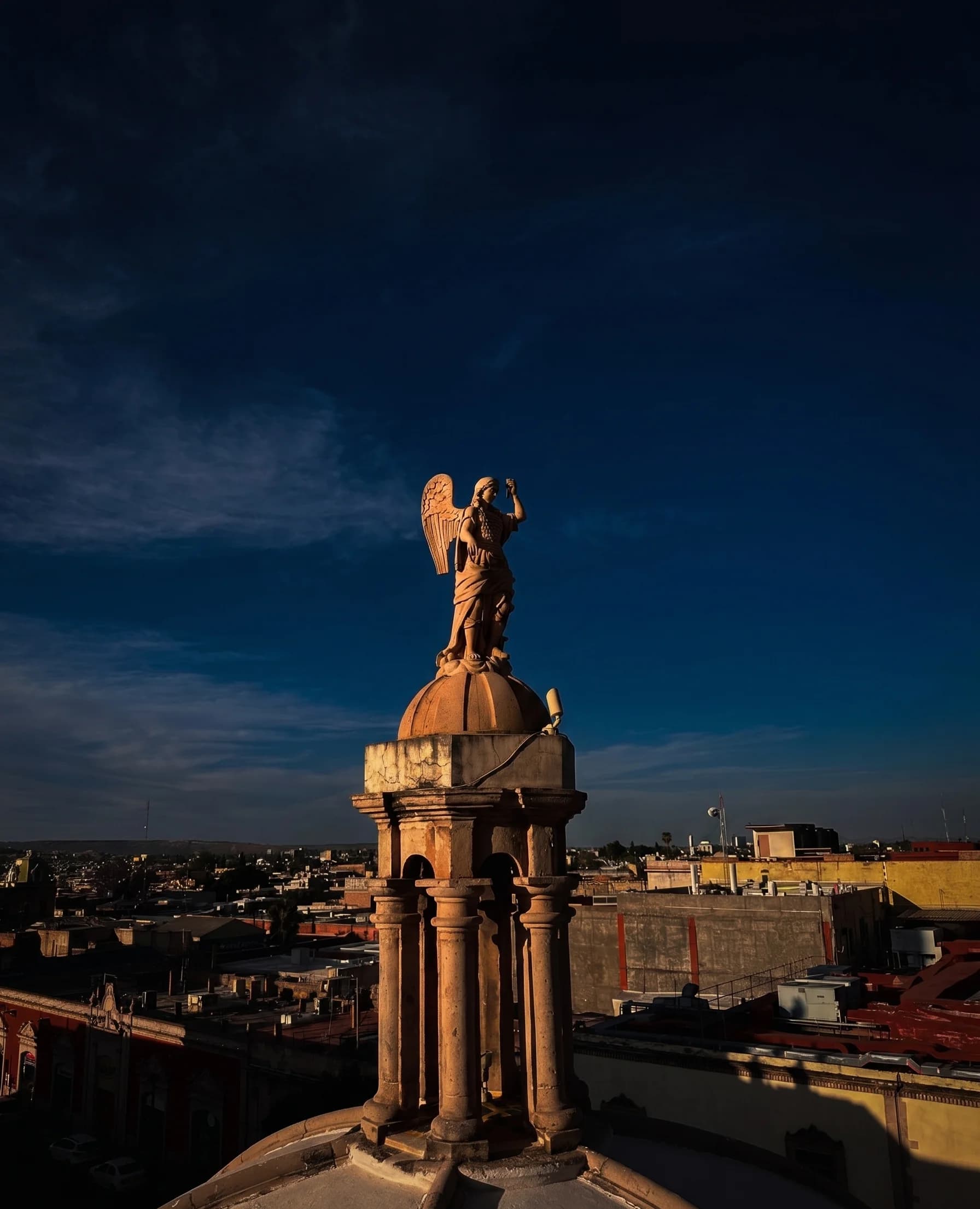
The exterior crowning of the upper roofs and the great dome houses a sober and elegant neoclassical sculptural program. Freestanding angels and flaming urns of gray quarry stone silently watch over the city's fate.
Archangels Saint Gabriel / Saint Michael
Marian narrative extending to the side domes, completed in 1897 by the celebrated master Benigno Montoya Muñoz under the auspices of Archbishop Santiago Zubiría y Manzanera. In these structures, Montoya placed the figures of the archangels Saint Gabriel and Saint Michael, guardians of the temple.
Angels of the Drum
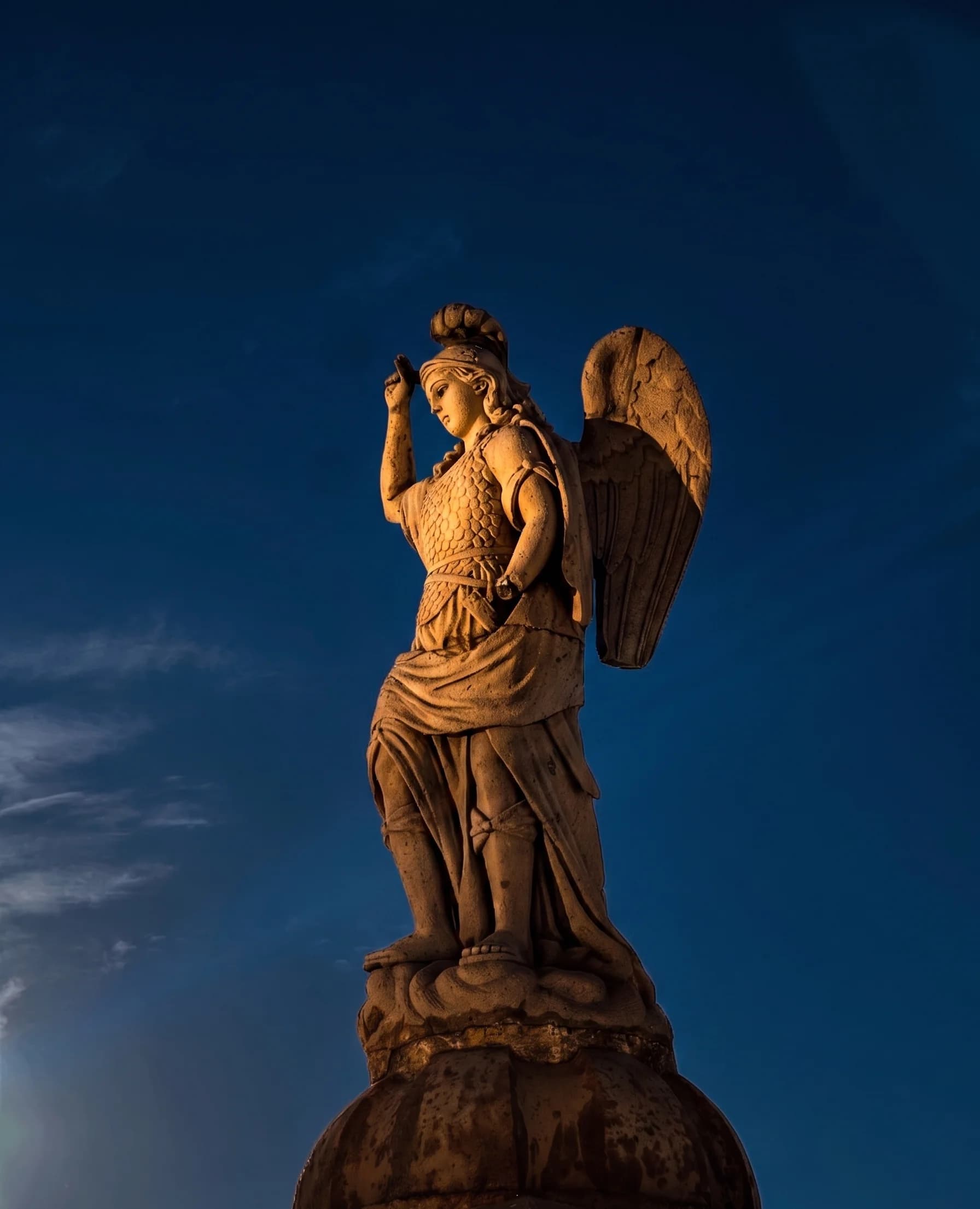
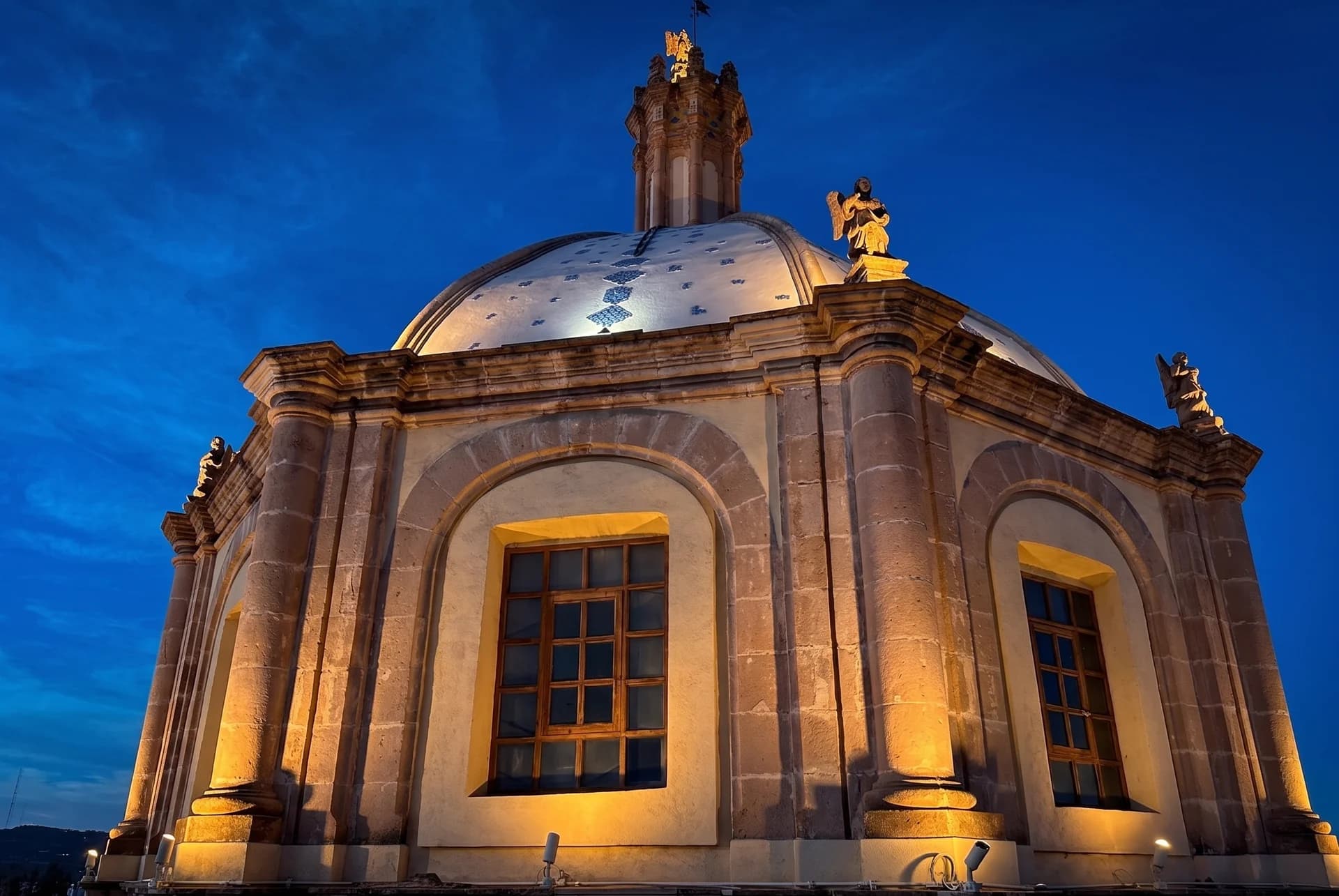
Sculptures created by Miguel de Ontiveros at the vertices of the drum of the great octagonal dome. Placed between Doric columns, they hold banners with individual letters that, when visually joined, form the angelic greeting: 'Ave María'.
Buttress Angels
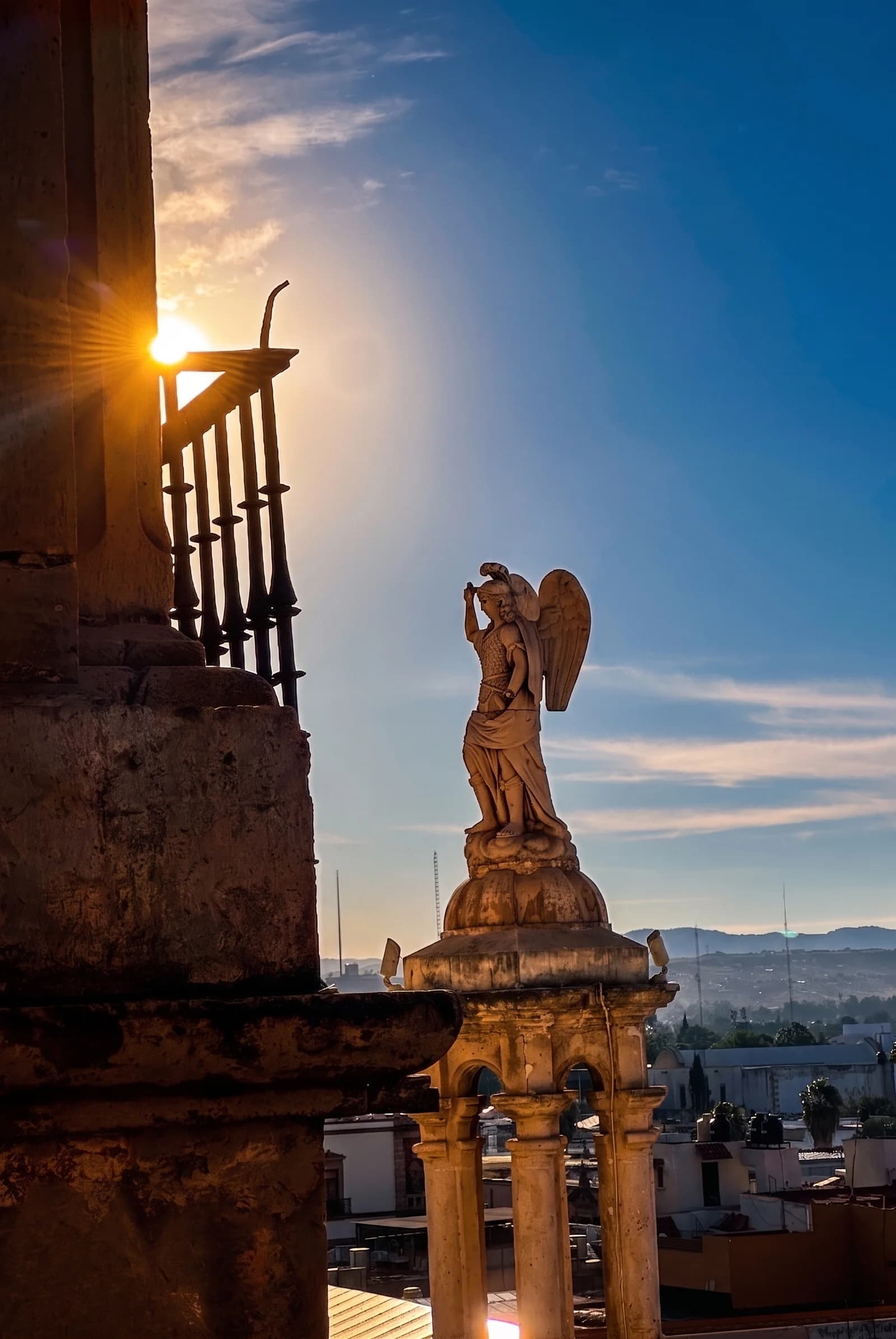
Rather than being simple supports, the buttresses end in sculptures of angels bearing the symbols of the Litany of Loreto, transforming the physical structure into a beautiful visual prayer devoted to the Virgin Mary.
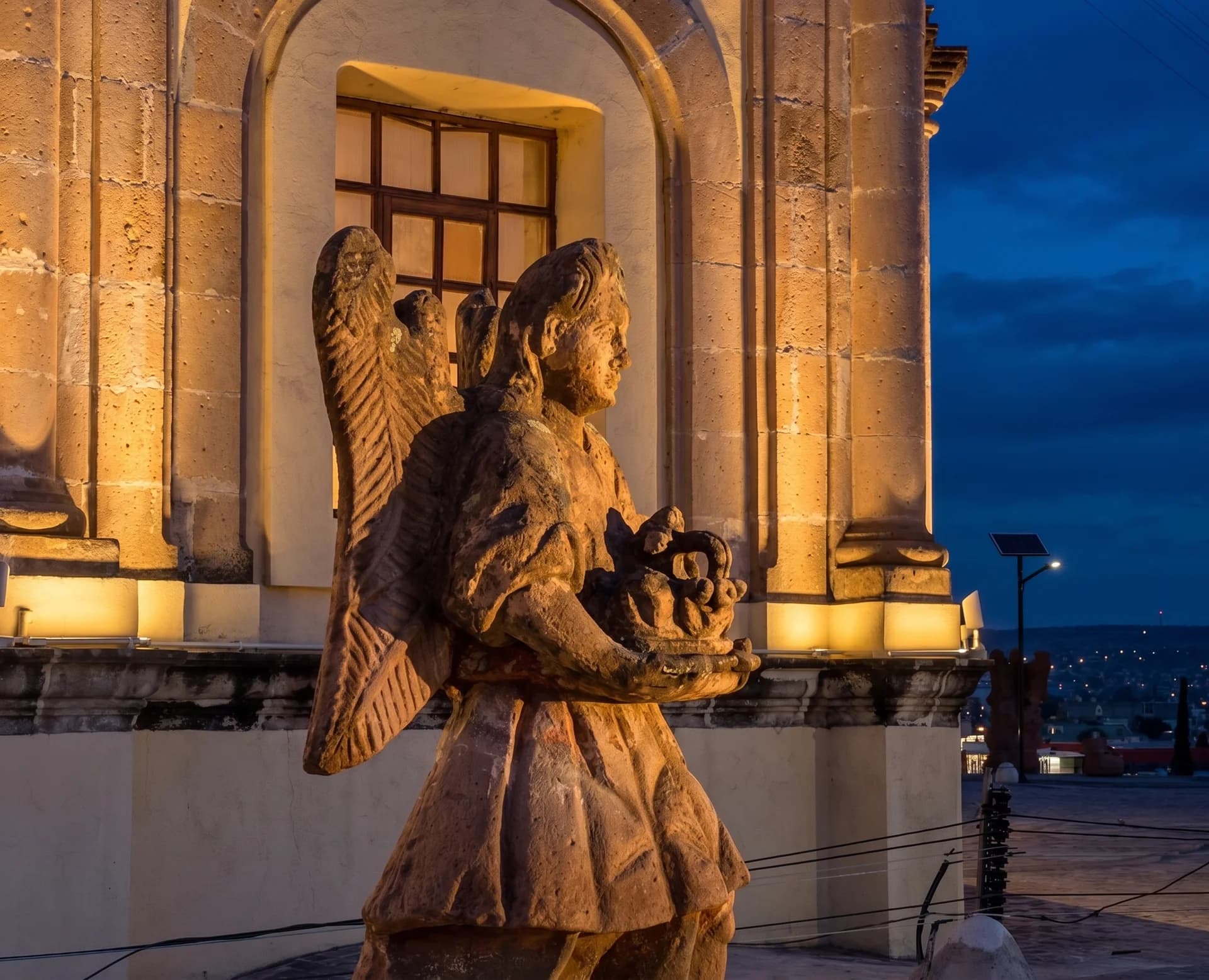
Angel of the Crossing and Crownings
Angel carved upon the parapets of the crossing. It consolidates the thematic unity of the Cathedral, where every element, from the foundation to the crowning of the lanterns, has as its ultimate purpose the exaltation and Marian devotion.
The
Celestial Dome
"If the towers represent the aspiration toward the divine, the domes symbolize the perfection of heaven."
Crowning the crossing of the temple, the great octagonal-plan dome is the work of Miguel de Ontiveros. Clad in quarry stone on its exterior and fitted with large windows, it provides an imposing vertical axis of natural overhead light that bathes the transept and the Main Altar.
At its vertices, the master integrated sculptures of angels between Doric columns holding banners with individual letters; when visually joined from the exterior, these form the angelic greeting: “Ave María”.
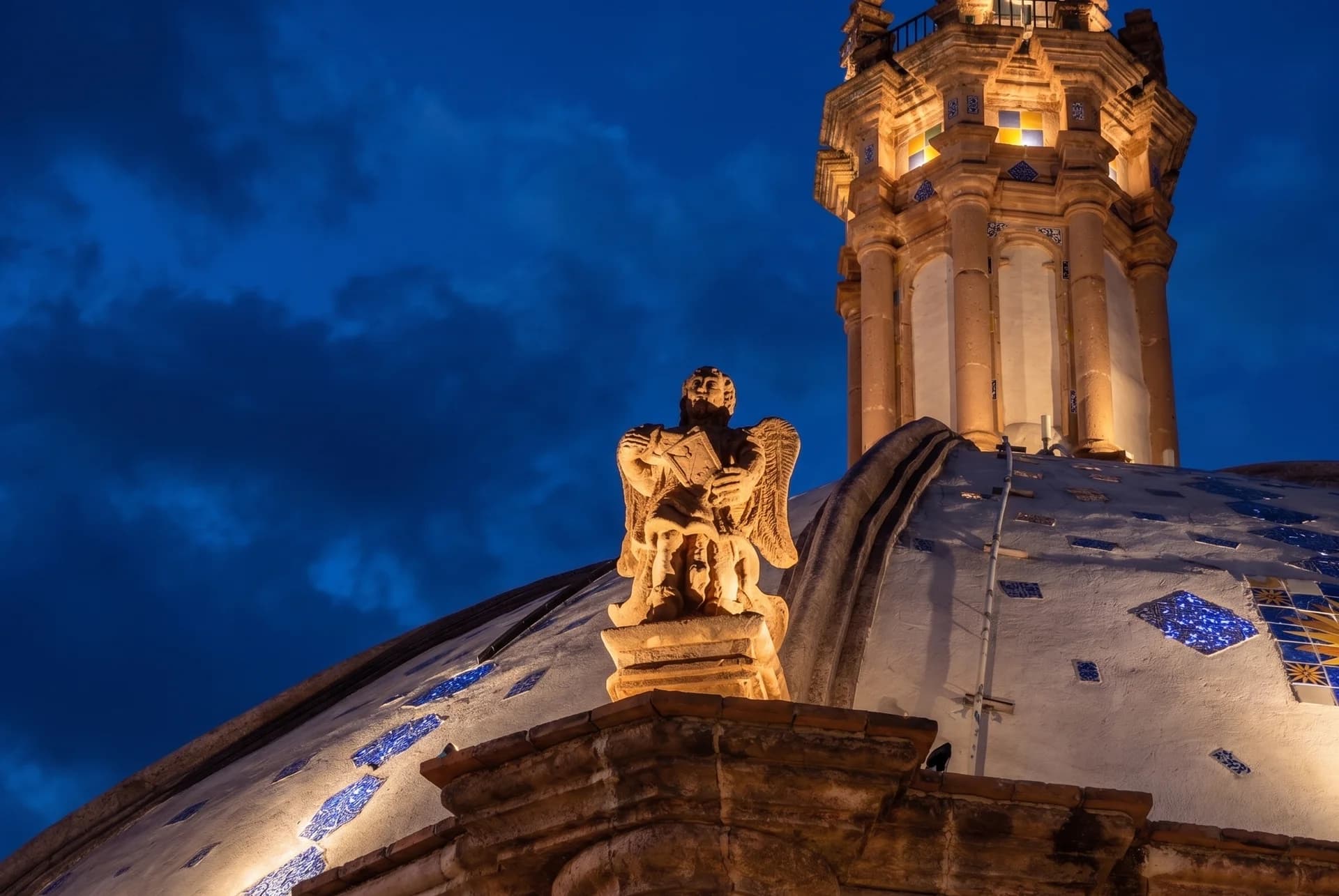
Interior Detail
Overhead PerspectiveClassical moldings and garlands carved in plasterwork run along the octagonal drum, crowned by ornamental reliefs framing the central lantern. This opening not only provides ventilation and light, but symbolizes celestial ascension and the divine eye.
The Voice of Bronze
The cathedral bells are not mere mechanical objects, but liturgical relics endowed with proper names and specific tuning. Their centuries-old alloy still sings the history of the temple.
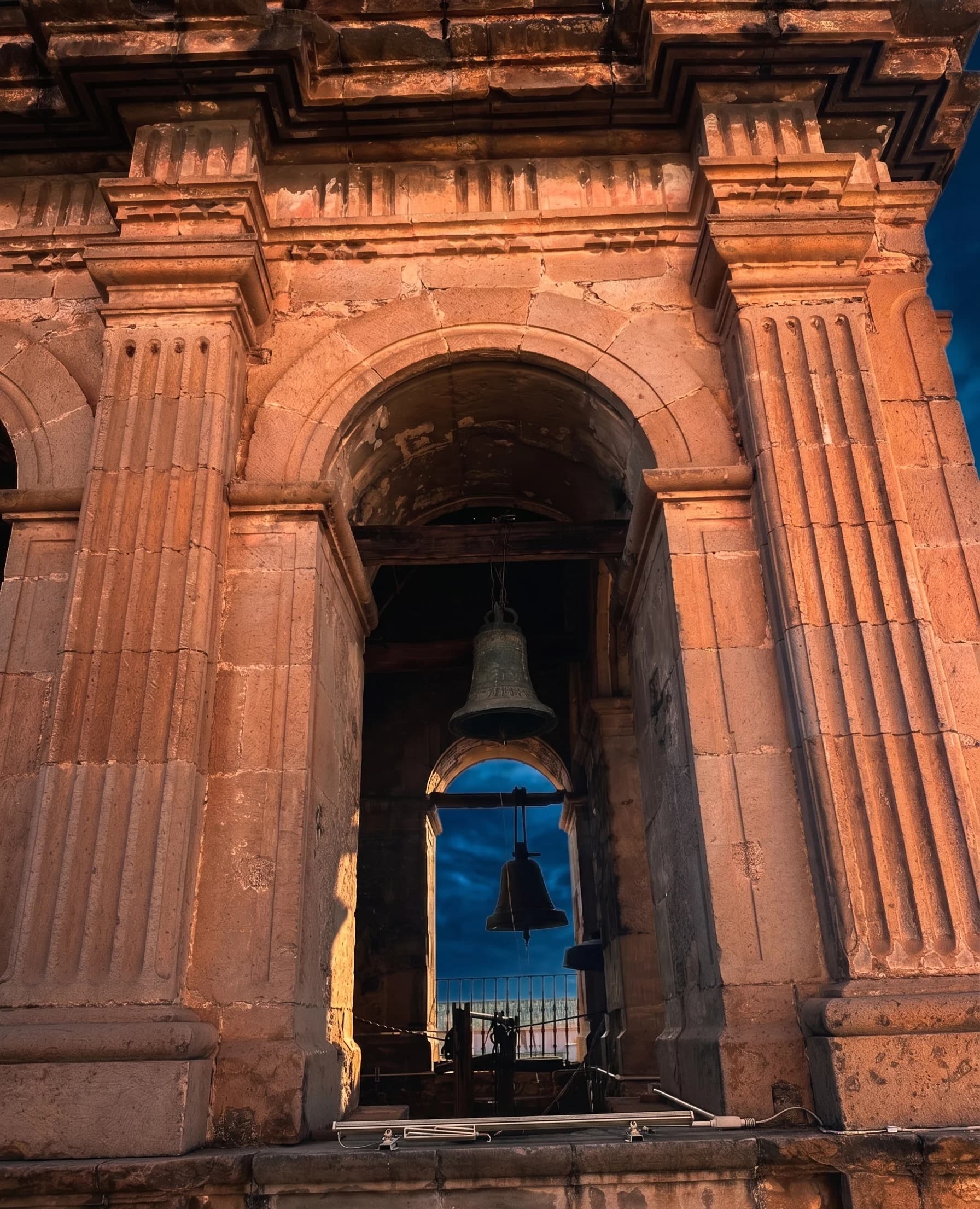
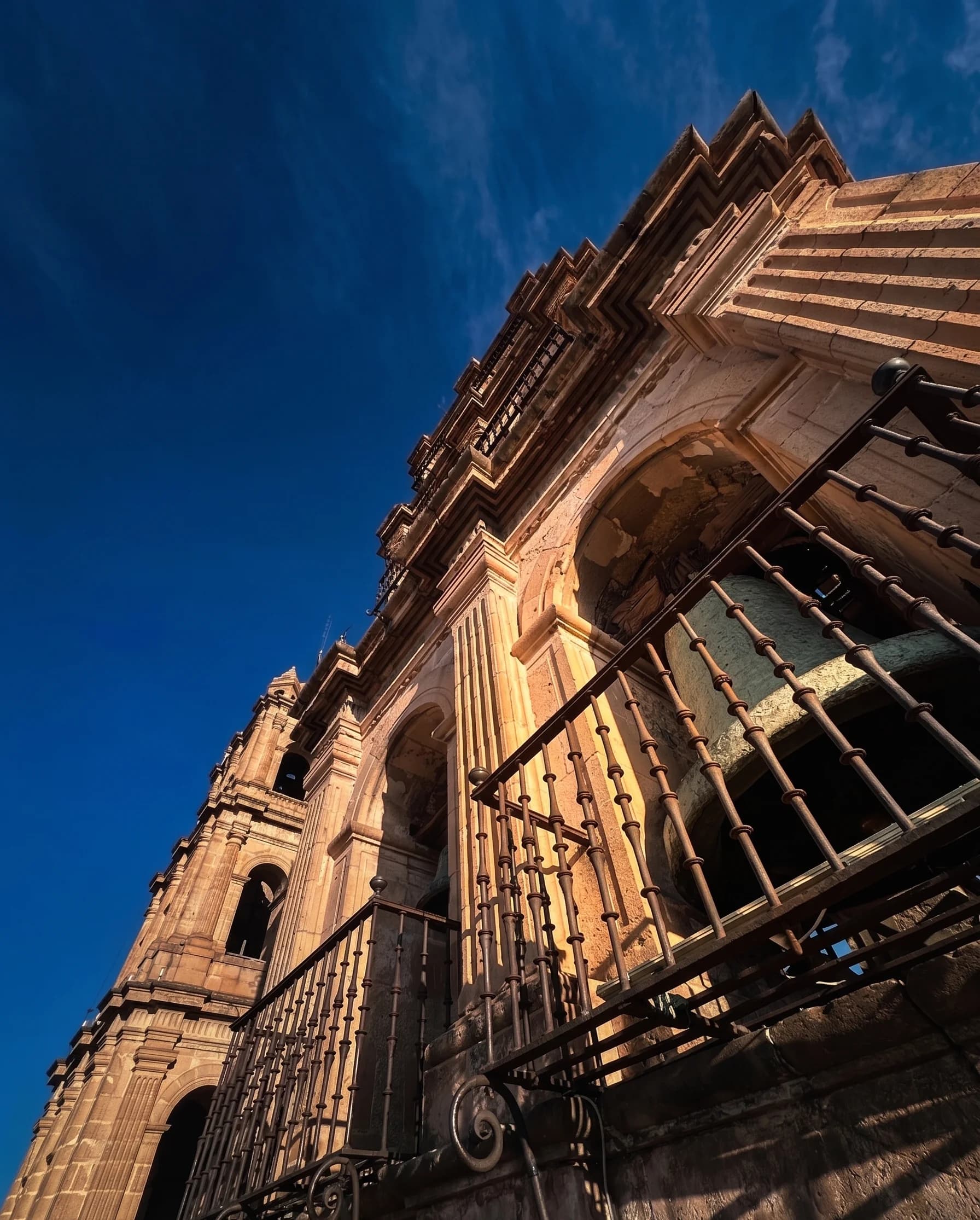
The Bell Tower and Its Bells
The Bell Tower and Its Bells
The west tower houses nineteen bells and hand bells, among which the great bell dedicated to the Immaculate Conception stands out. The east tower, for its part, has only two bells, later consecrated by Archbishop Antonio López Aviña, together making up a set of 21 bells and hand bells.
Beams and Internal Structure
Inside the bell towers, a dense network of beams and century-old wooden yokes absorbs the colossal thrusts and mechanical vibrations generated when the massive bronzes are set ringing.
Bronze and Sacred Reliefs
The bells display on their surface a rich sacred iconography of high and low reliefs, including crosses, Marian images, and Latin inscriptions that consecrate their liturgical function.
The Clapper and the Mouth
The view from below reveals the mouth of the bell and its heavy wrought-iron clapper, whose precise strike on the edge of the alloy produces the solemn Marian tones of the temple.
Swinging Mechanisms
The coupling of the bells to their yokes and swinging axles allows the synchronized ringing by the bell-ringers, regulating the festive and mournful rhythms of the Cathedral.
Exhibition Catalog