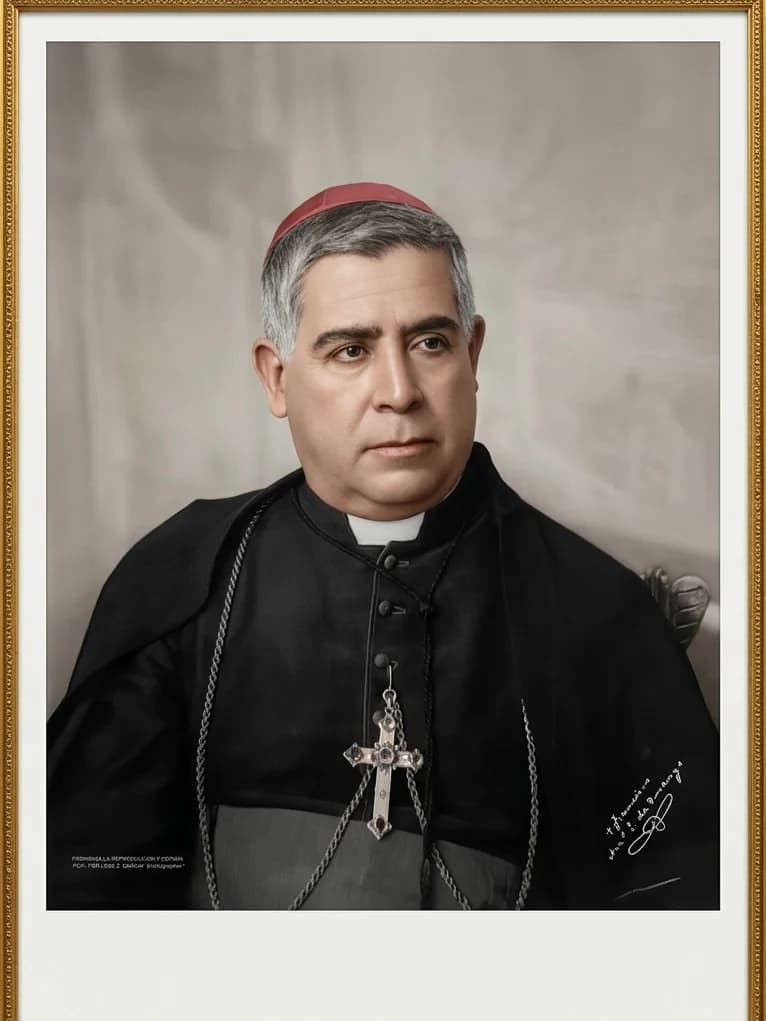
Historical Memory and Apostolic Succession
Pantheon
of the Bishops
In the shadow of the Main Altar rest the prelates and canons who governed, built and safeguarded the spiritual heritage of the Catedral de Durango since the 17th century.
Rest in the Shadow of the Altar
Since the earliest centuries of the Christian faith, burying ecclesiastical dignitaries within the cathedral precinct responded to a deep theological and hierarchical need. The interment of pastors beneath the very floor they served symbolized the perpetual union with their flock and the uninterrupted continuity of the apostolic mandate.
In New Spain, the location of funerary crypts was not arbitrary: the closer the deceased was to the main altar and the temple's reliquary, the greater his spiritual prestige. Thus, the Catedral de Durango structured beneath its Main Altar an underground pantheon of honor.
“The Pantheon of the Bishops consists of a vault with four funerary alcoves arranged on either side of a central corridor, in whose vaults rest the mortal remains of the Bishops and Archbishops.”
Architectural Diagram
Structure of the Crypt Pantheon beneath the Main Altar
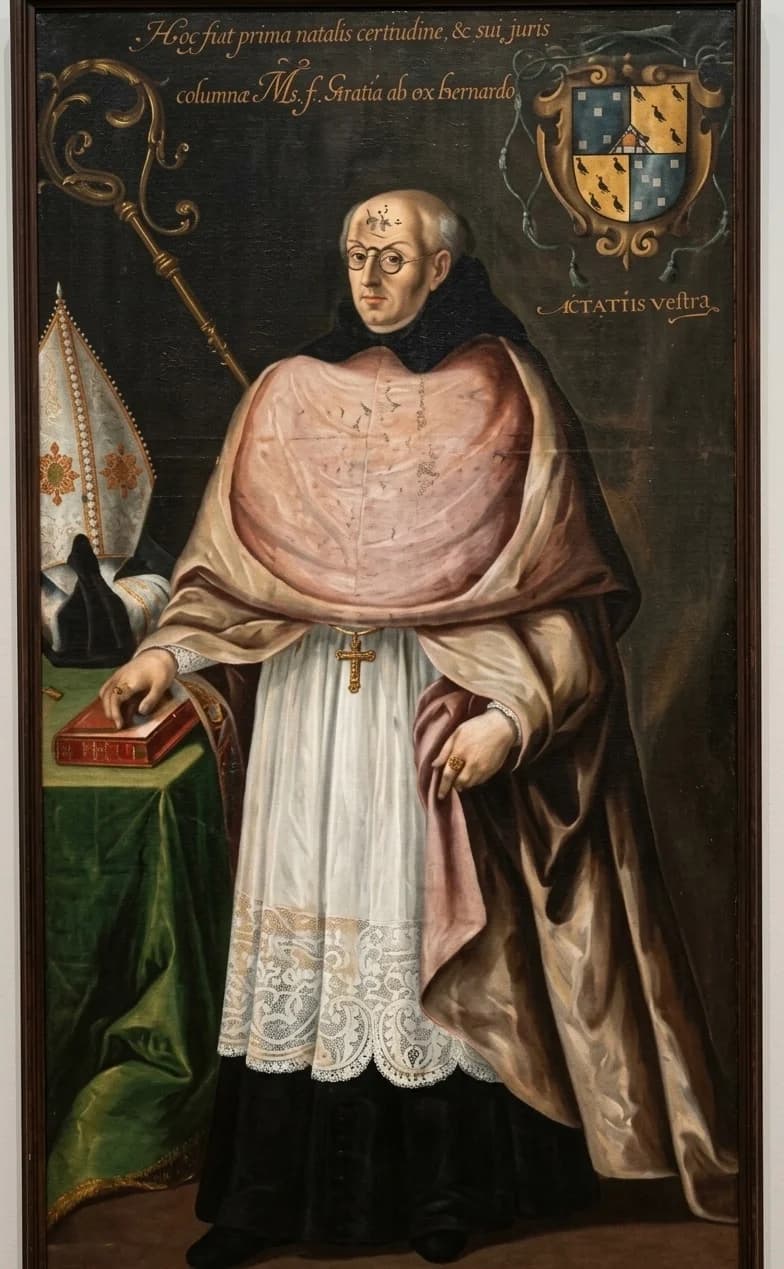
Gonzalo de Hermosillo
c. 1570 – 1631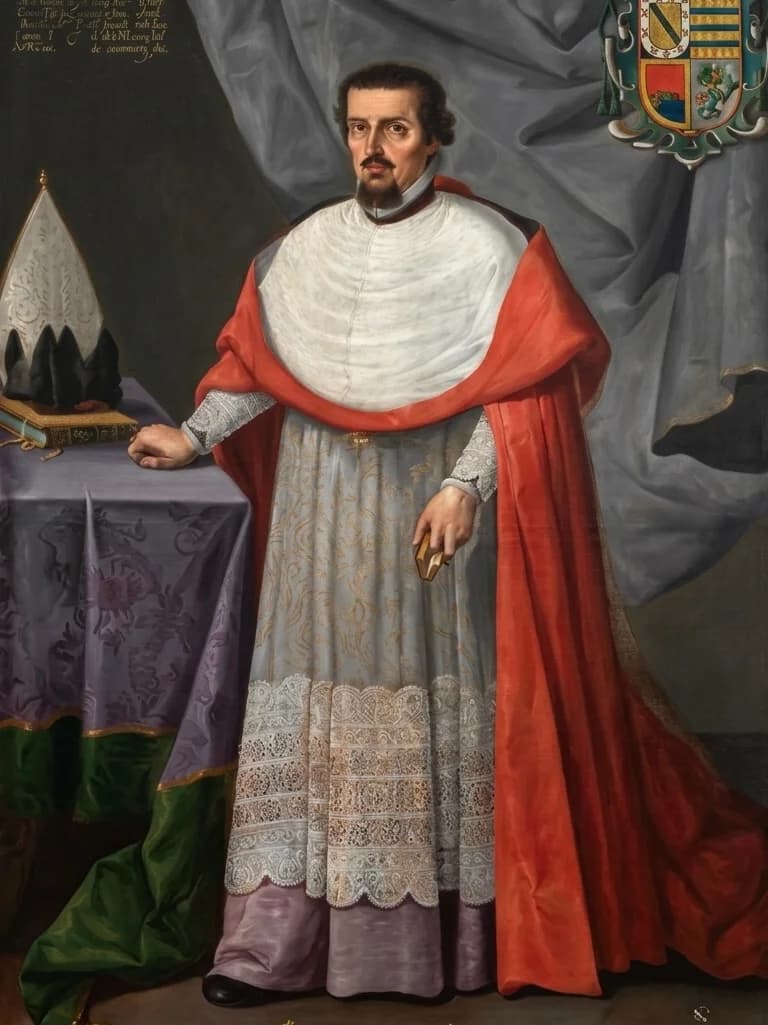
Pedro Barrientos y Lomelí
1605 – 1658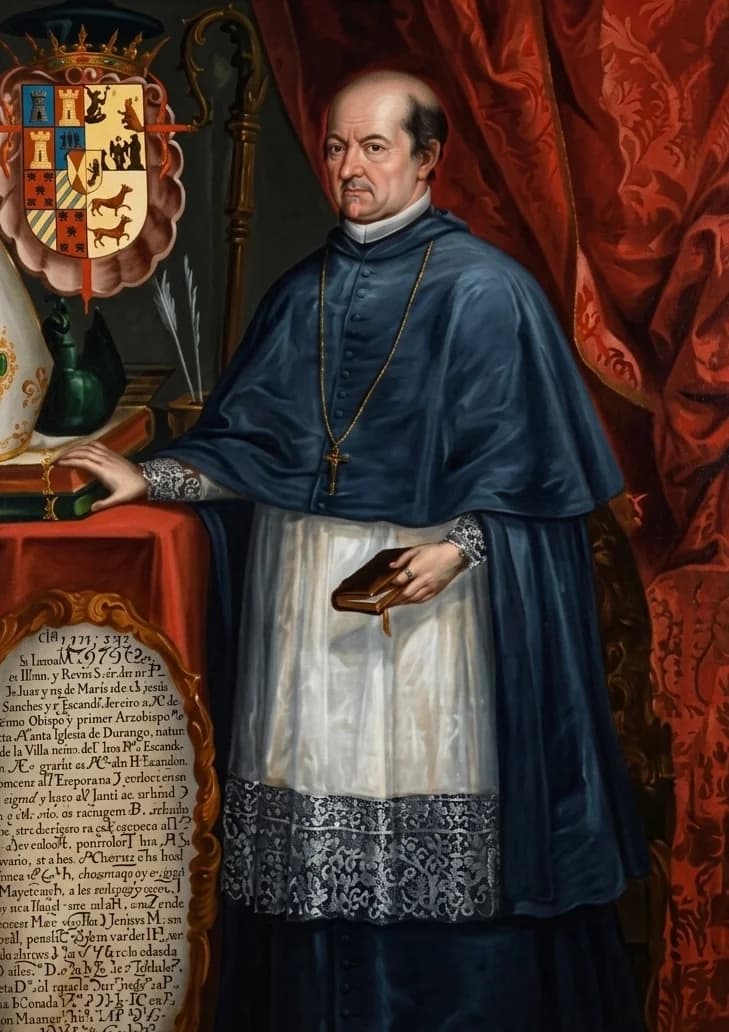
Manuel Escalante Colombres y Mendoza
1645 – 1708Ignacio Díez de la Barrera
1645 – 1709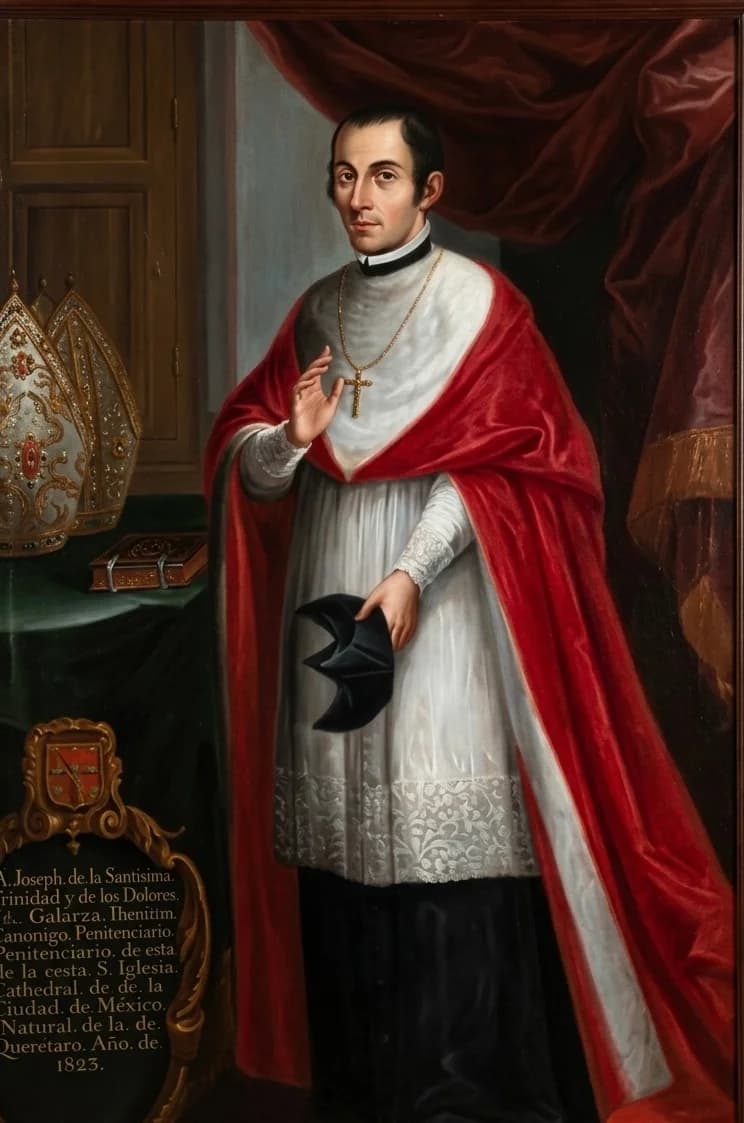
Pedro Tapíz y García
1660 – 1722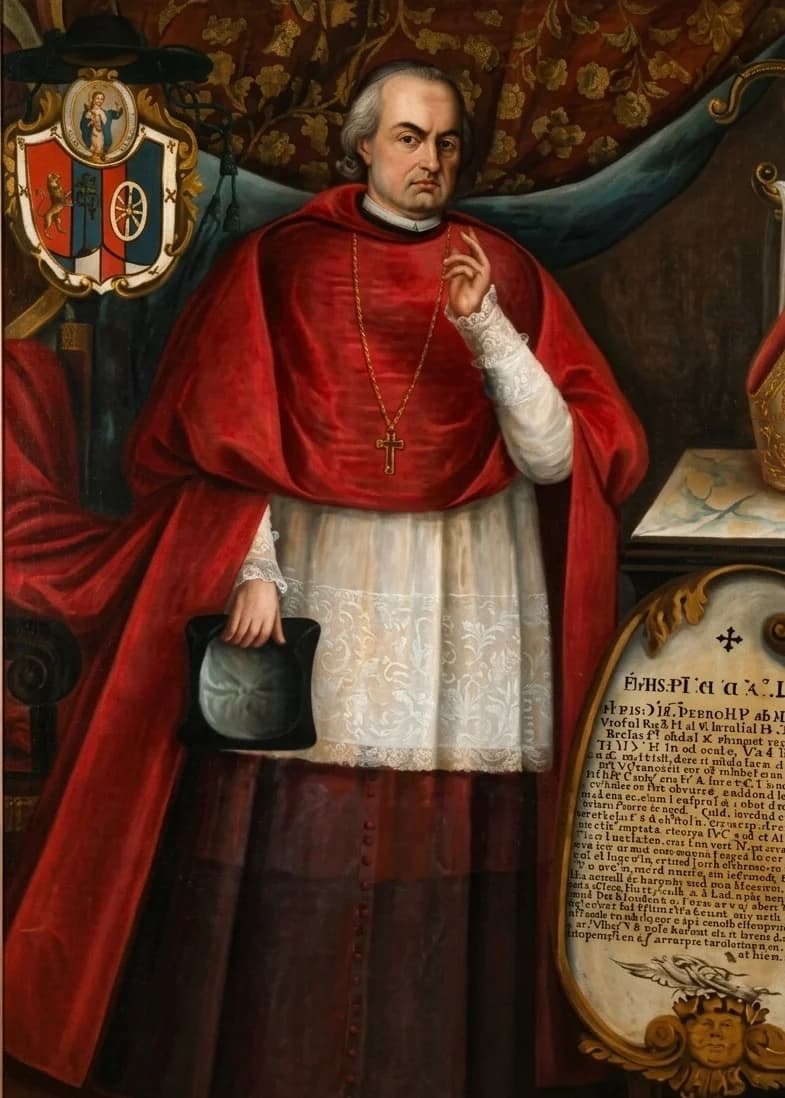
Pedro Tamarón y Romeral
1695 – 1768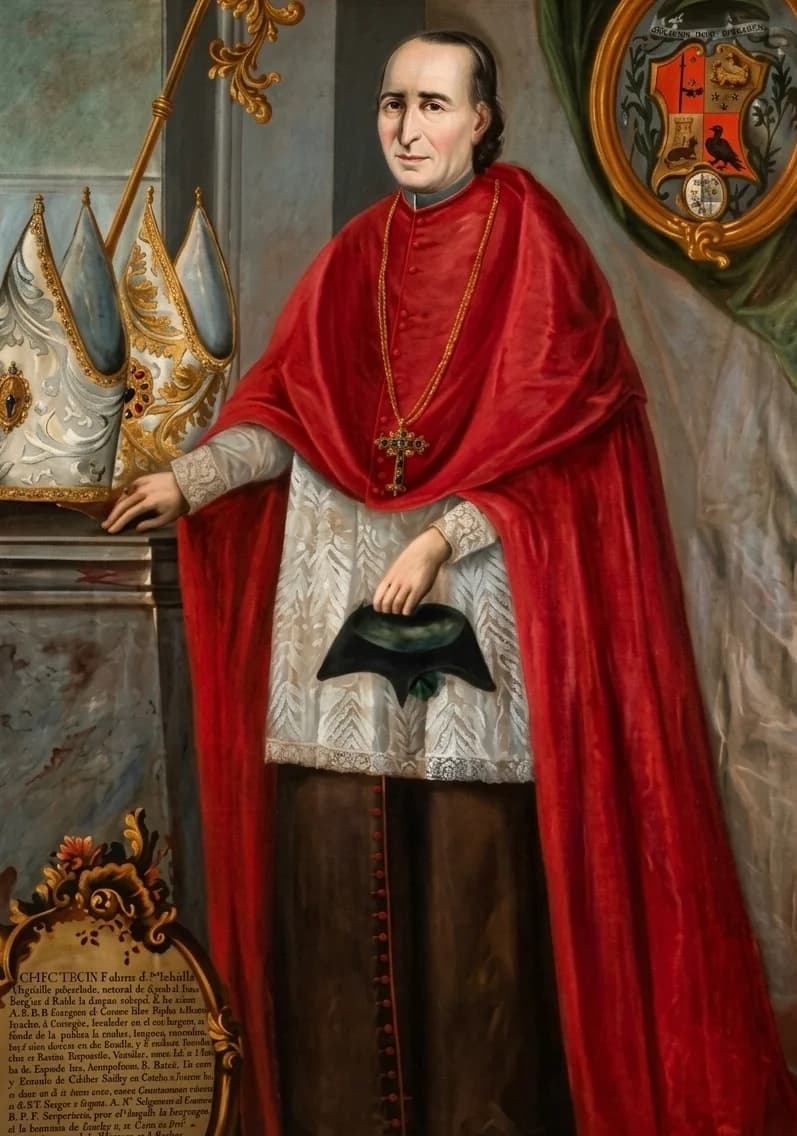
Antonio Macarulla Minguilla y Aguilaniu
1710 – 1781Joaquín Granados y Gálvez
1734 – 1794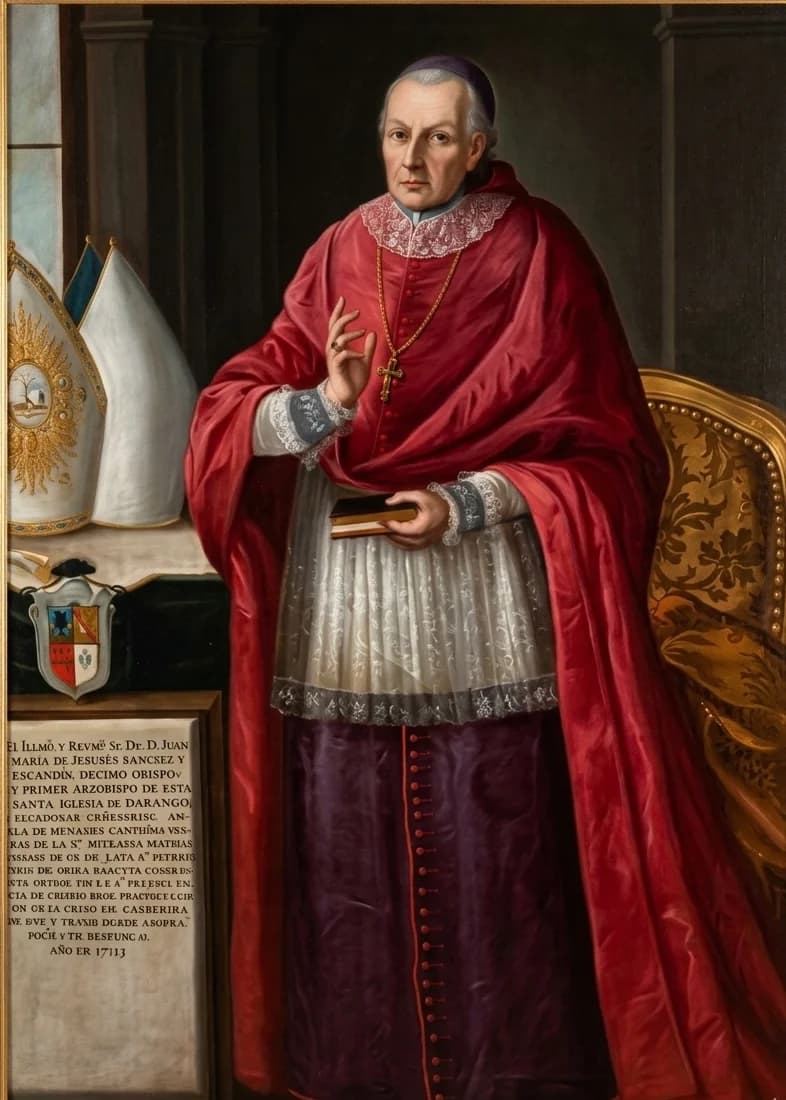
Francisco Gabriel Olivares y Benito
1736 – 1812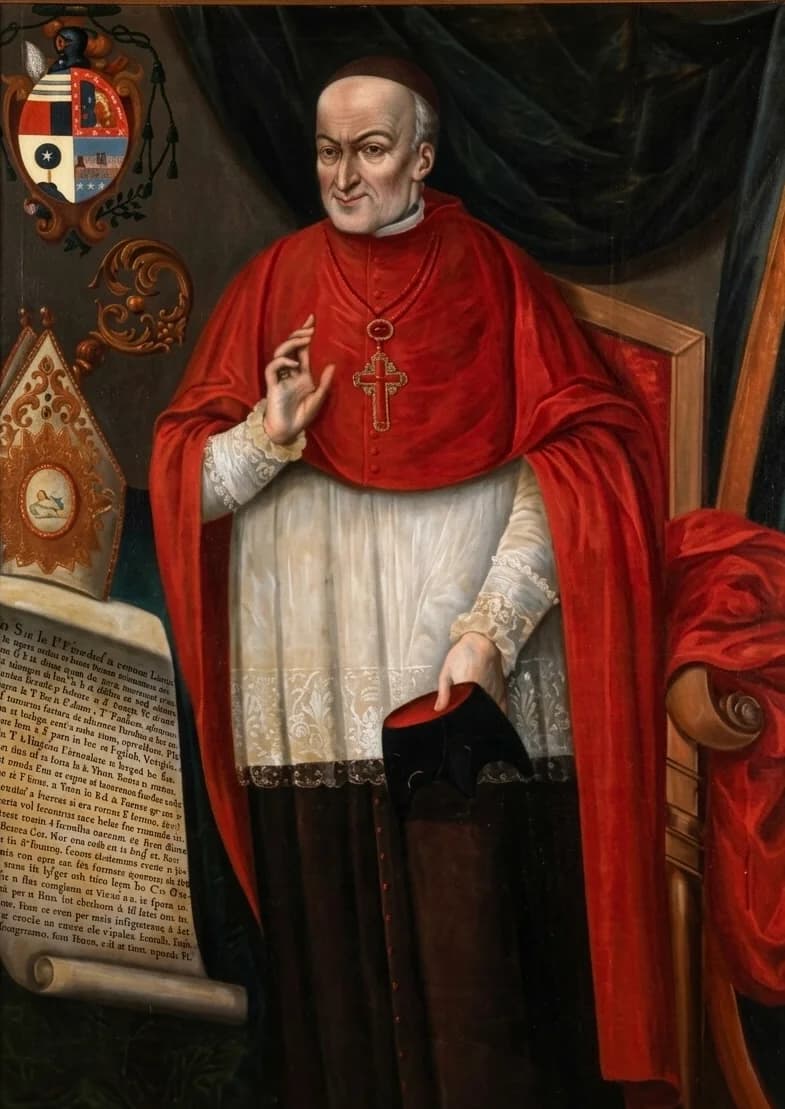
Juan Francisco de Castañiza
1756 – 1825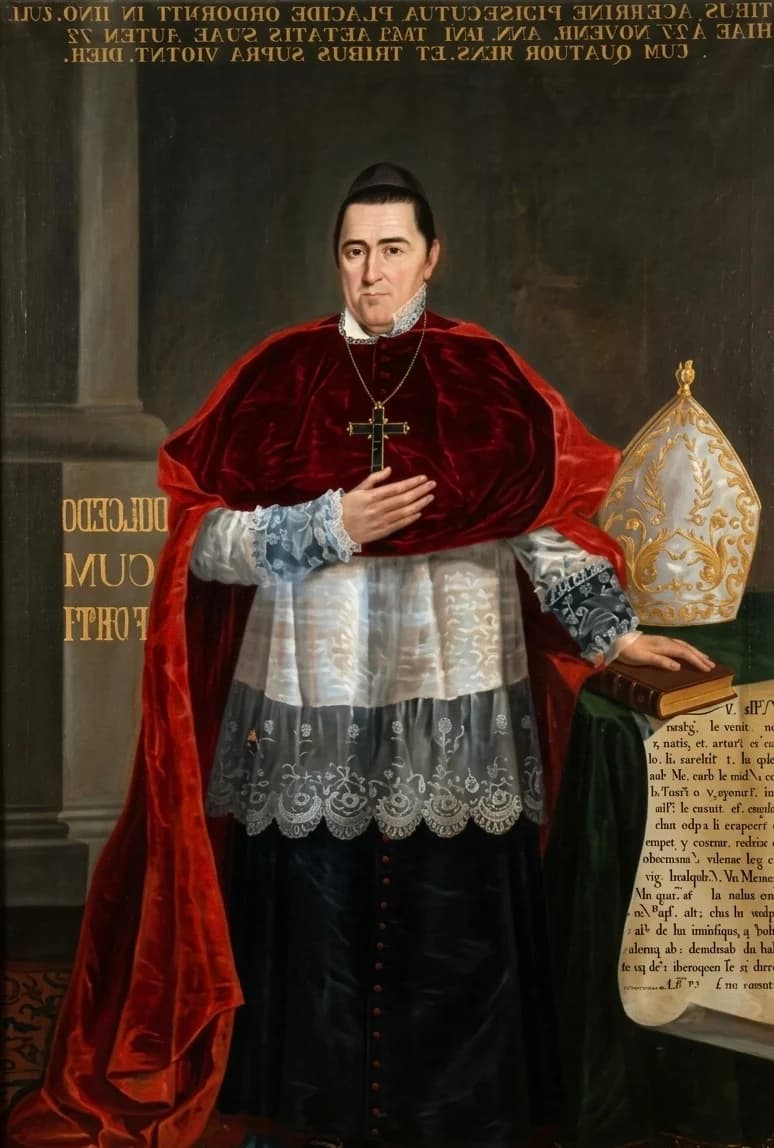
José Antonio Laureano de Zubiría y Escalante
1791 – 1863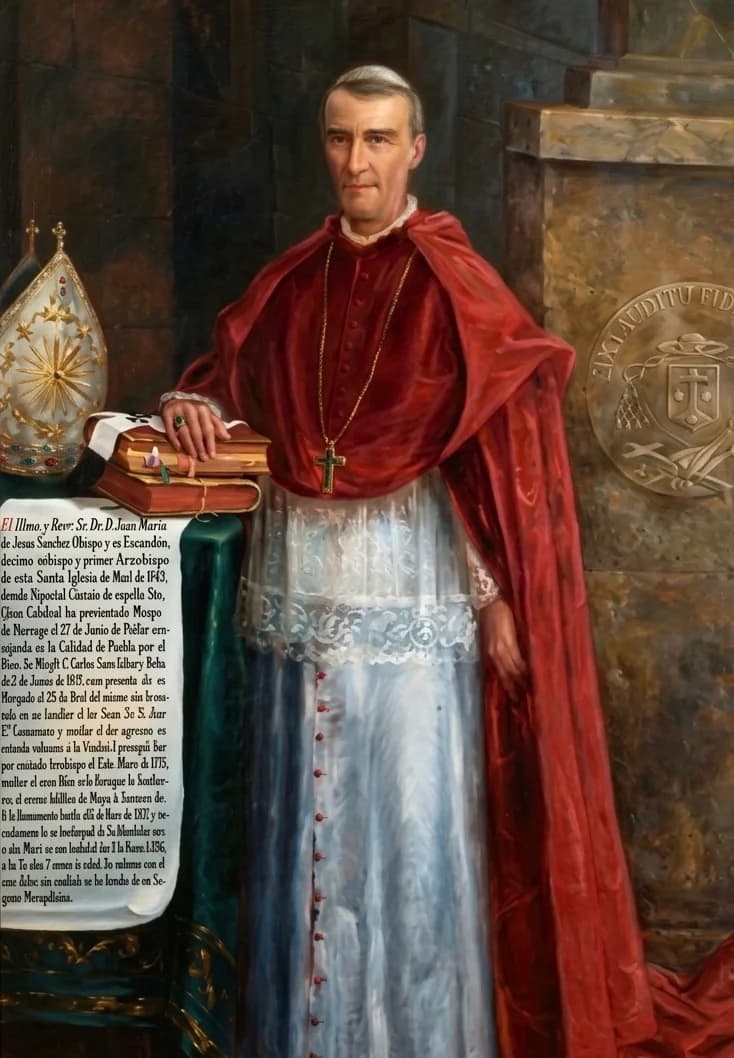
Vicente Salinas e Infanzón
1810 – 1894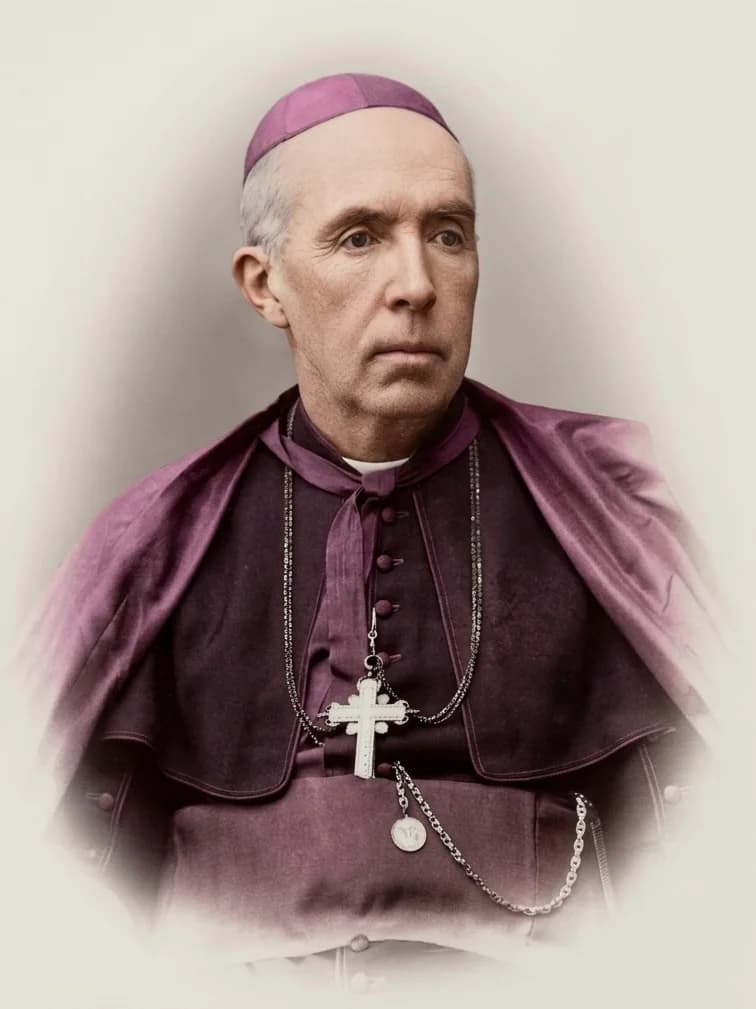
Santiago Zubiría y Manzanera
1837 – 1907