SACRISTY — Catedral Basílica de Durango
New Spanish art and liturgy in dialogue
the tour
SACRISTYof the Cathedral Basilica of Durango
New Spanish art and liturgy in dialogue
A Fascinating Duality
Minor Sacristy and Major Sacristy
The Cathedral has a particular configuration in having two sacristies. The Minor Sacristy, historically intended for the vesting of the presbyter, safeguards a profound symbolic charge through its statuary. In this space, still in 1822, there were two images of Christ of great significance: the Lord of Ocotán and the Lord of Mezquital. The latter piece connects the building with the most turbulent episodes of the 17th century; its mention in the Tepehuan Revolt of 1616 makes it a reminder of the processes of evangelization and resistance in northern Mexico.
The passage toward the Major Sacristy, or Sacristy of the Prebendaries, begins in the ante-sacristy, where the faithful and visitor are received by the gaze of the Virgin of Guadalupe. This canvas, signed by the celebrated José de Ibarra, sets the tone of pictorial excellence that defines the ensemble.
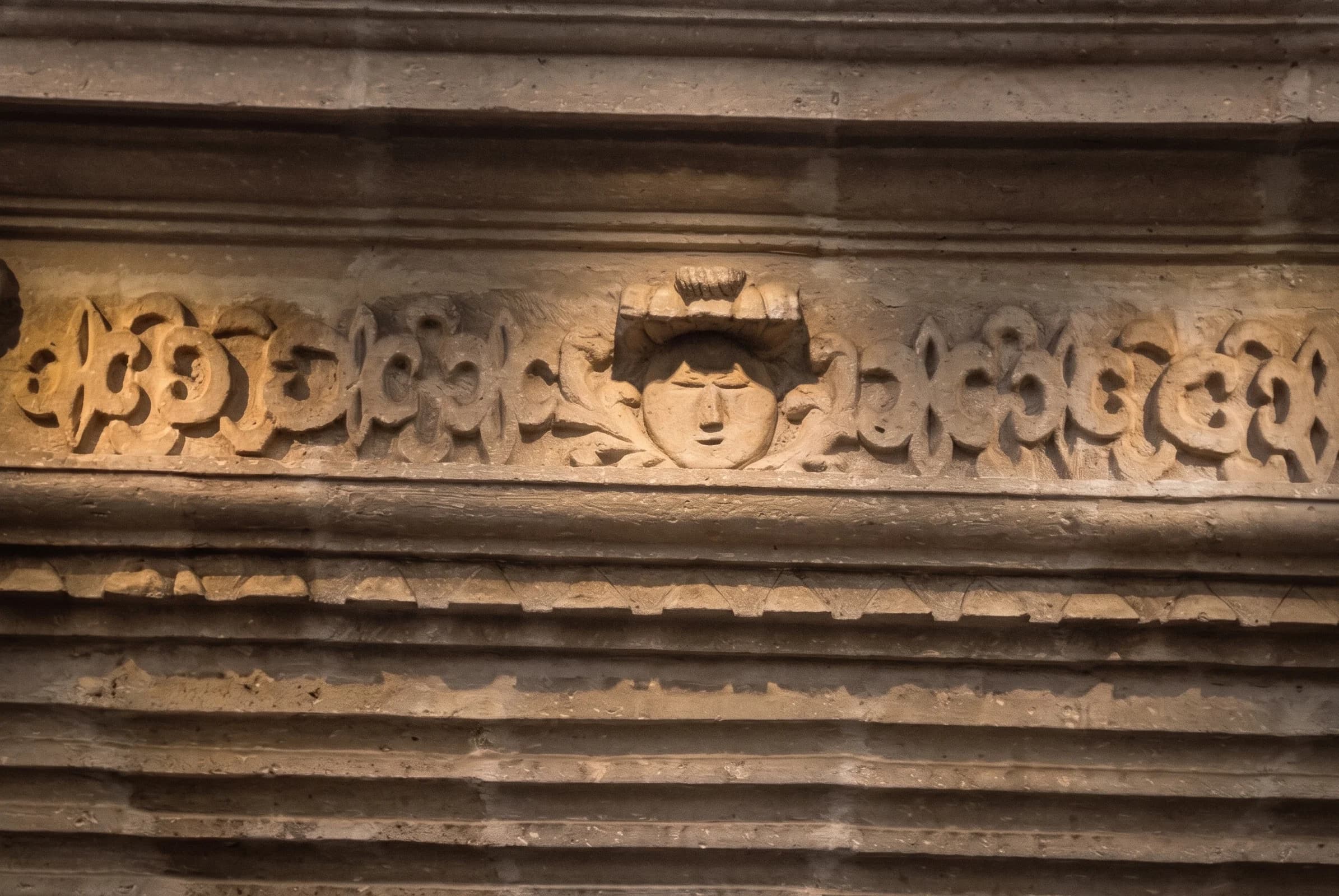
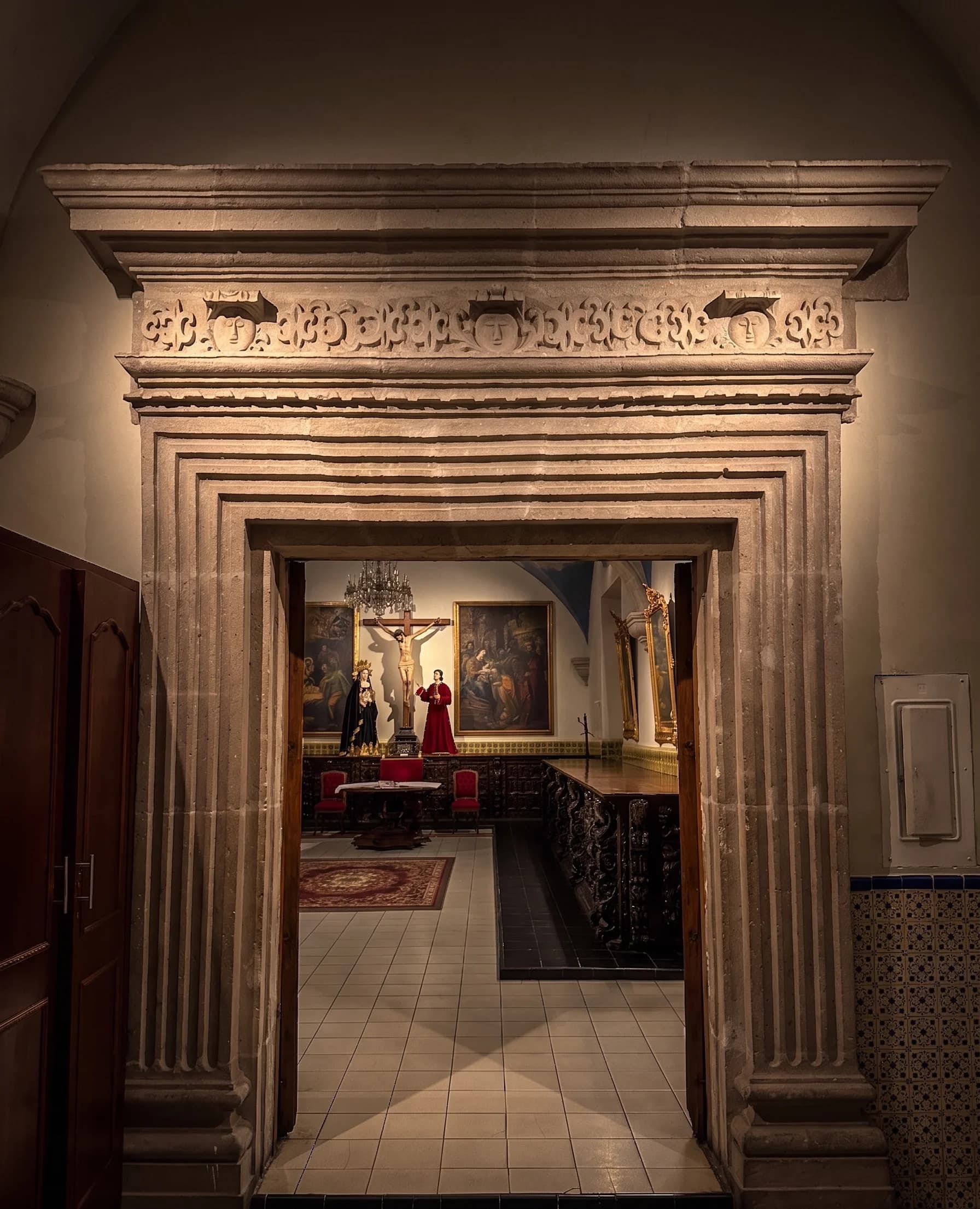
The Quarry Stone Doorway and the 1740 Chest
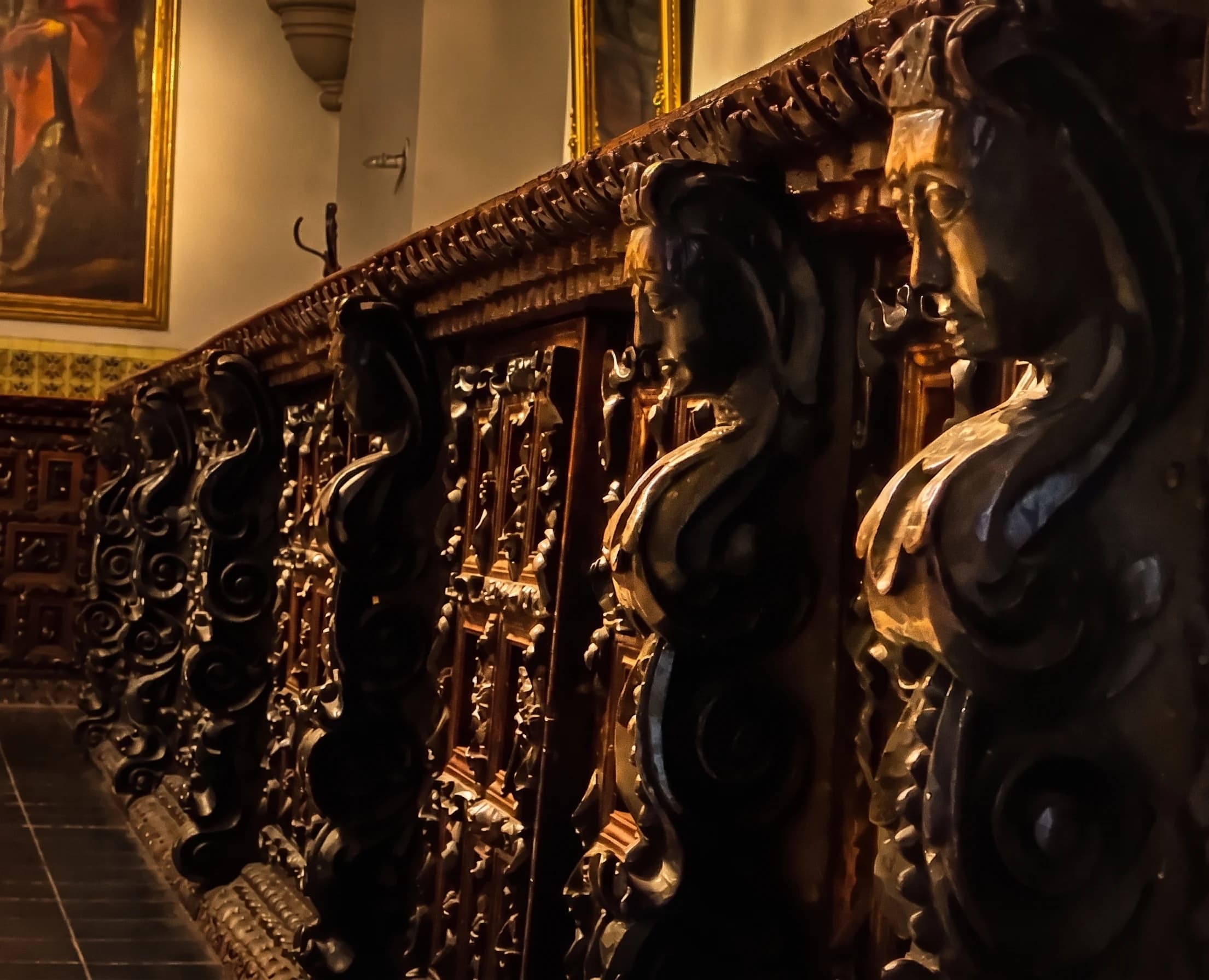
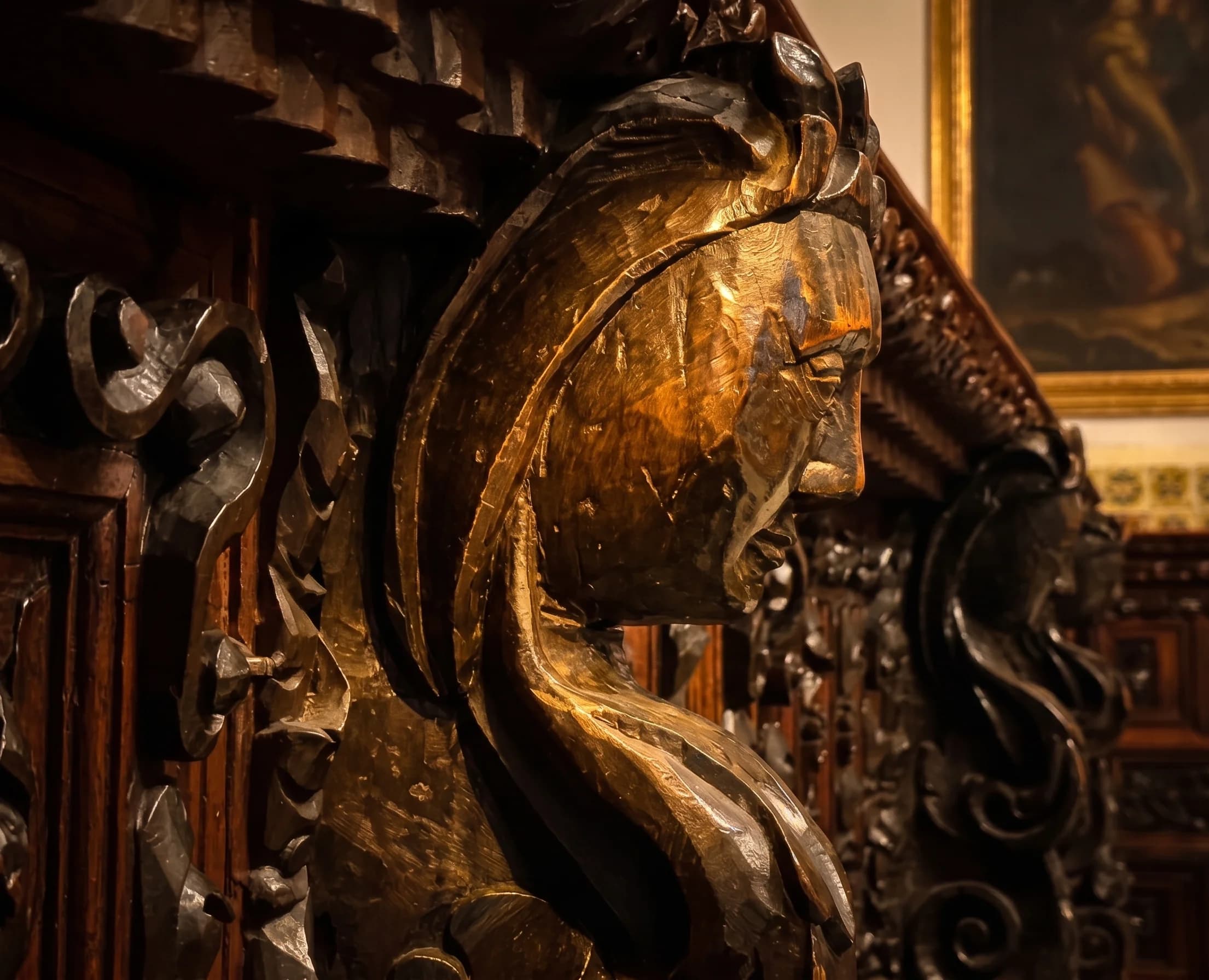
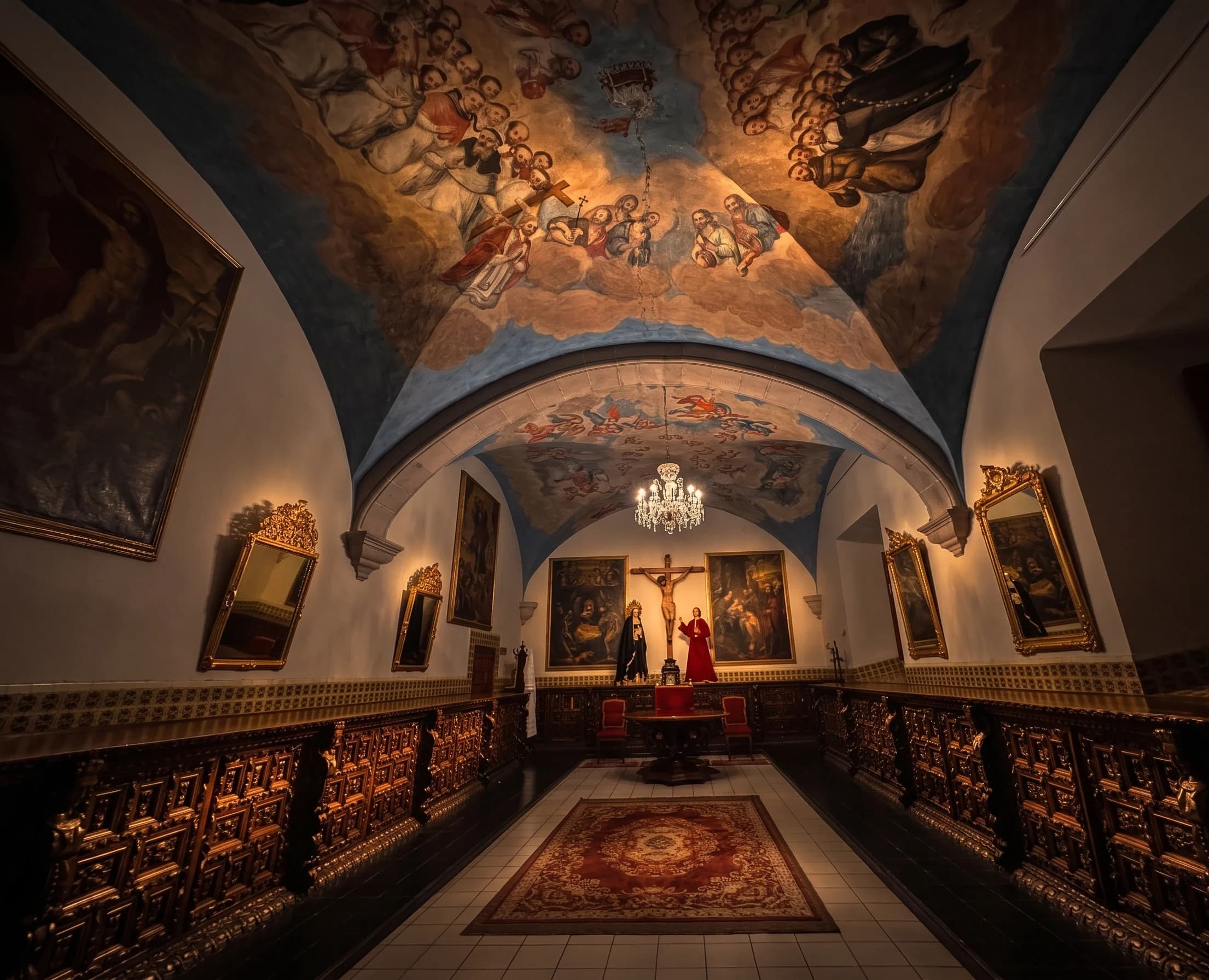
Upon crossing this threshold, the hall is revealed, framed by a superb carved wooden chest, made in 1740 by master carpenters Lucas Nores and Juan Antonio Carreño. This cabinetmaking piece not only fulfills a practical function, but also imparts a visual unity and atmosphere of solemnity to the space, practically unchanged since 1822.
Curatorial text: Museum of the Cathedral Basilica of Durango · Archdiocese of Durango
Historical research: Historian José Alonso Martínez Barrios
First-Rate New Spanish Painting
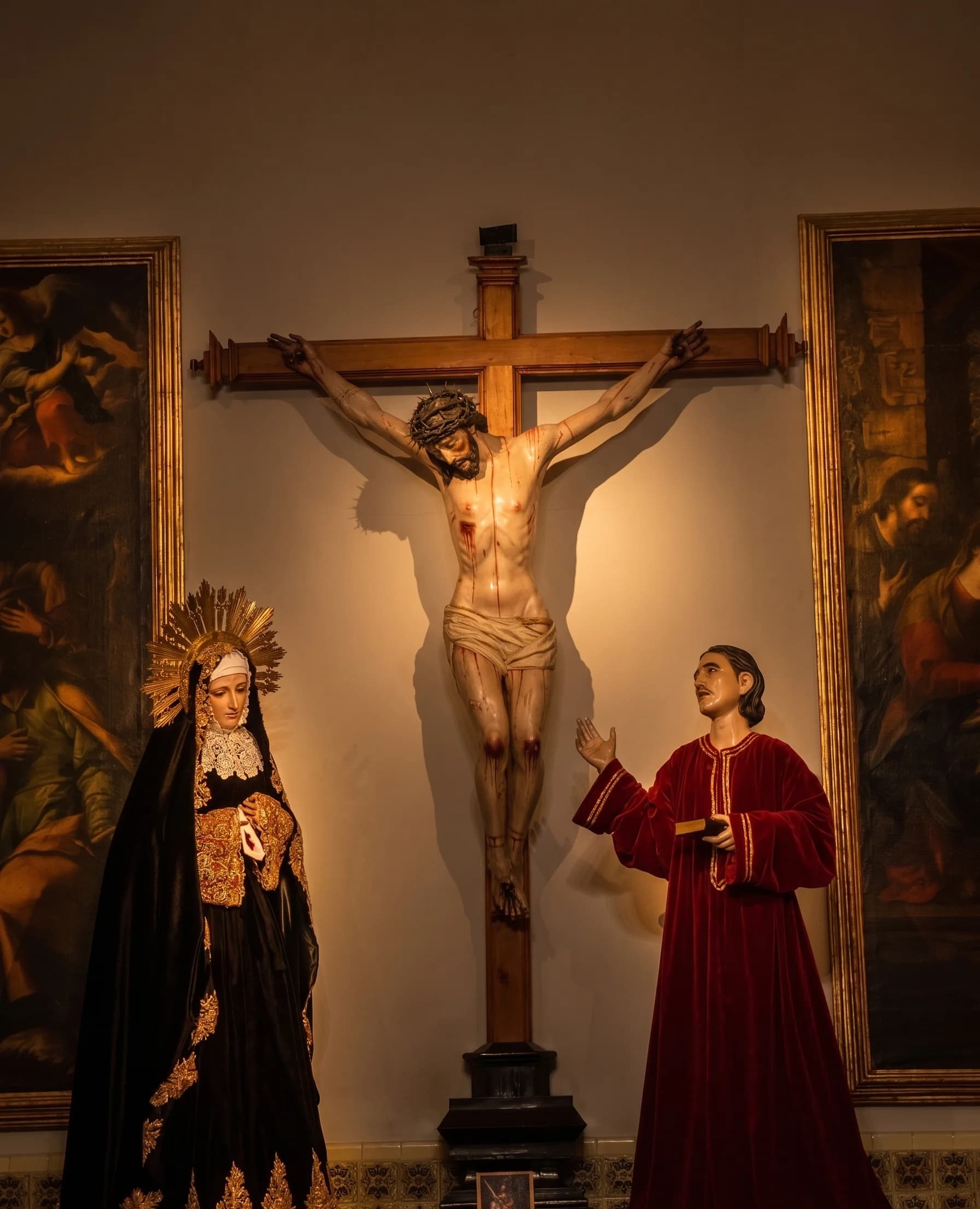
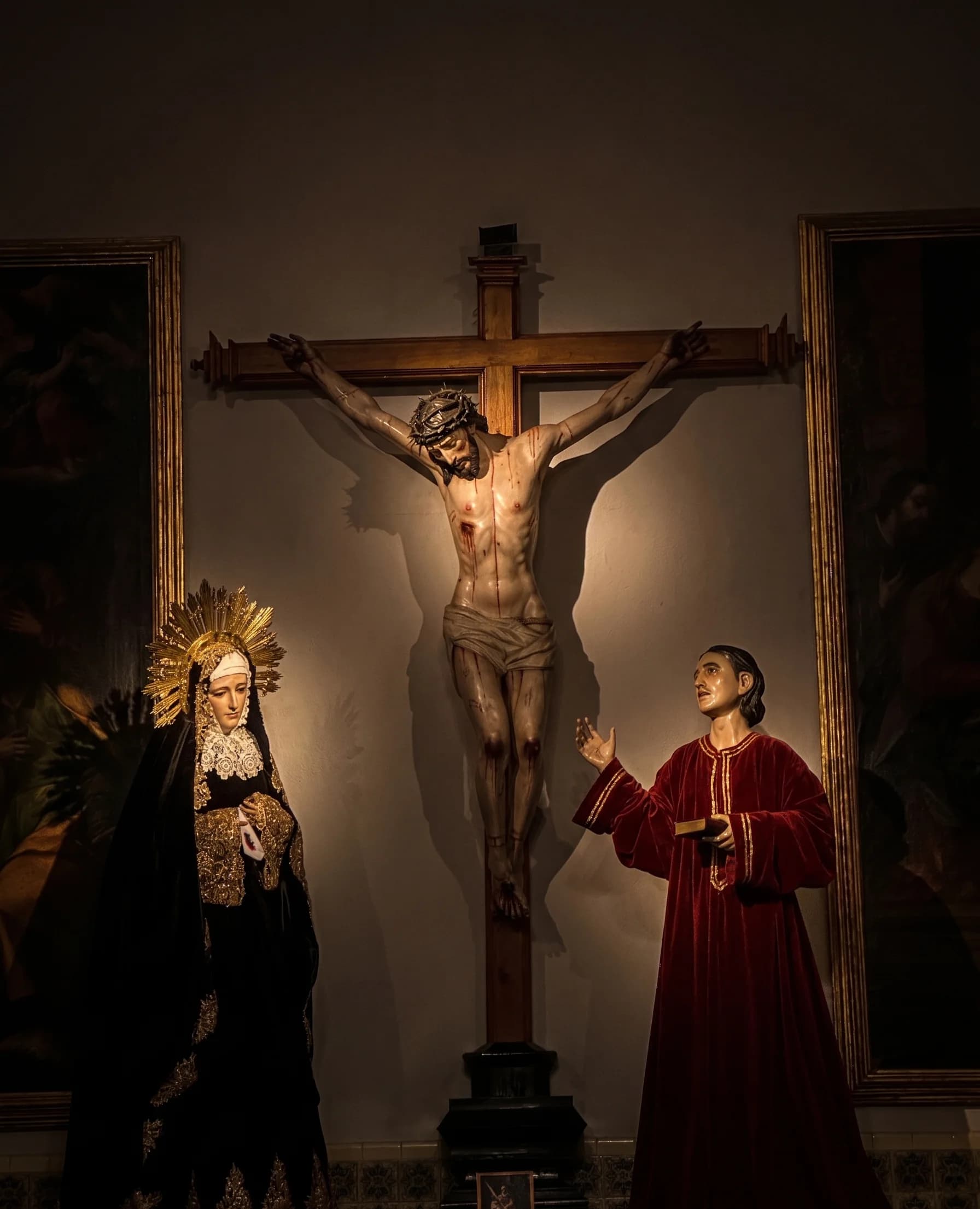
The walls of the Major Sacristy house a painting collection of the first order. The permanence of elements such as the great crucifix with a loincloth, the dressing mirrors with cornucopia frames, and the canvases of great masters allow for an authentic immersion in the ritual of vesting of the bishop and canons, as it has been practiced for centuries.
Juan Correa · Life of Christ I
Juan Correa · Life of Christ II
Juan Correa · Life of Christ III
Juan Correa · Life of Christ IV
José de Ibarra · Virgin of Guadalupe
José de Ibarra · Saint George
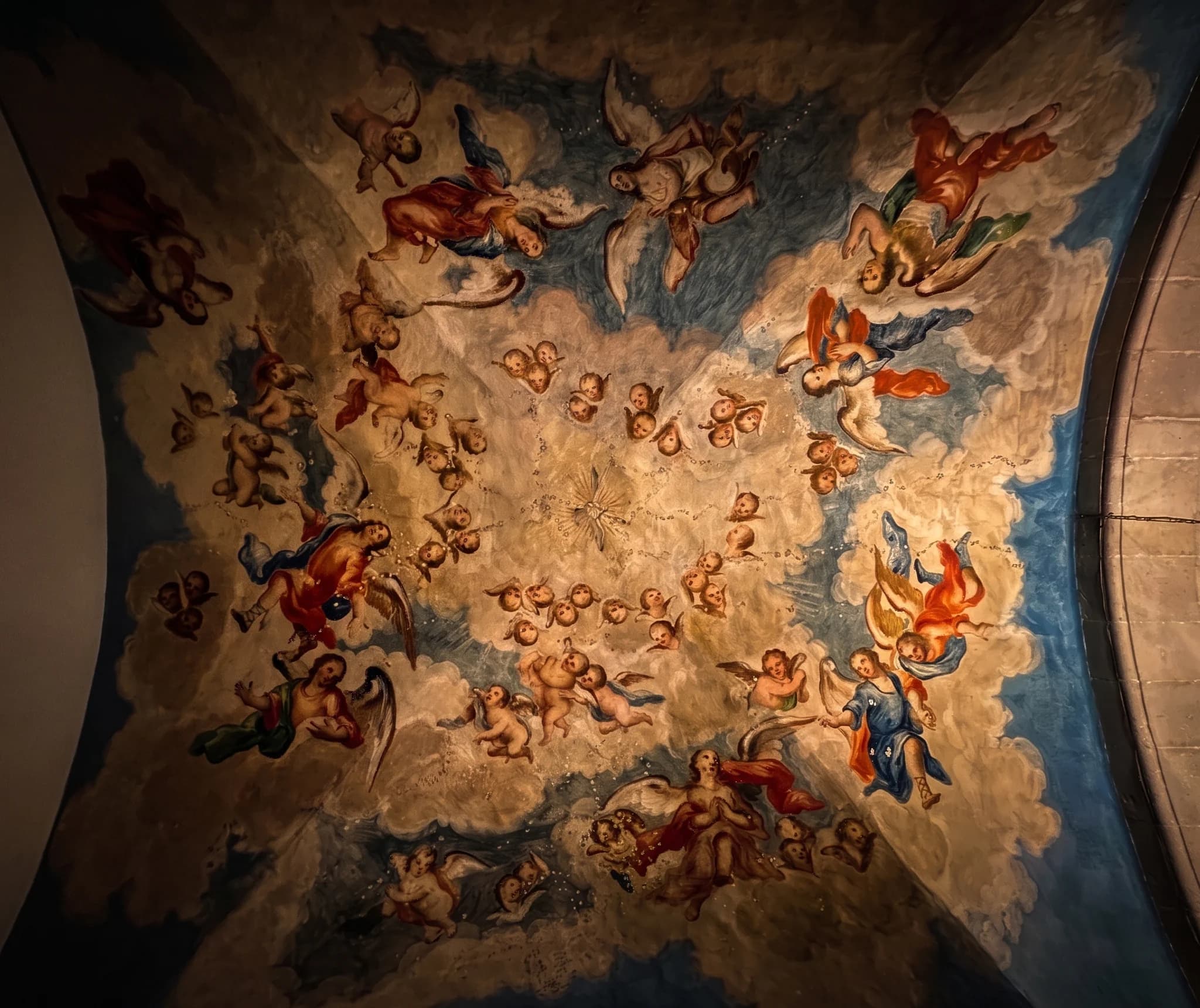
J. R. Puelles · First Vault
J. R. Puelles · Second Vault
Gallery