WEST FAÇADE — Catedral Basílica de Durango
Catedral de Durango · Siglo XVIII
Cathedral Basilica
WEST
FAÇADE
Miguel de Ontiveros · 1744
The architectural jewel that defines Durango today
✦ Catedral Basílica de Durango ✦
Welcome to
the tour
the tour
Cathedral Basilica
WESTFAÇADEMiguel de Ontiveros · 1744
The architectural jewel that defines Durango today
History and Style
The Splendor of Full Baroque
Miguel de Ontiveros · Zacatecas · 1744
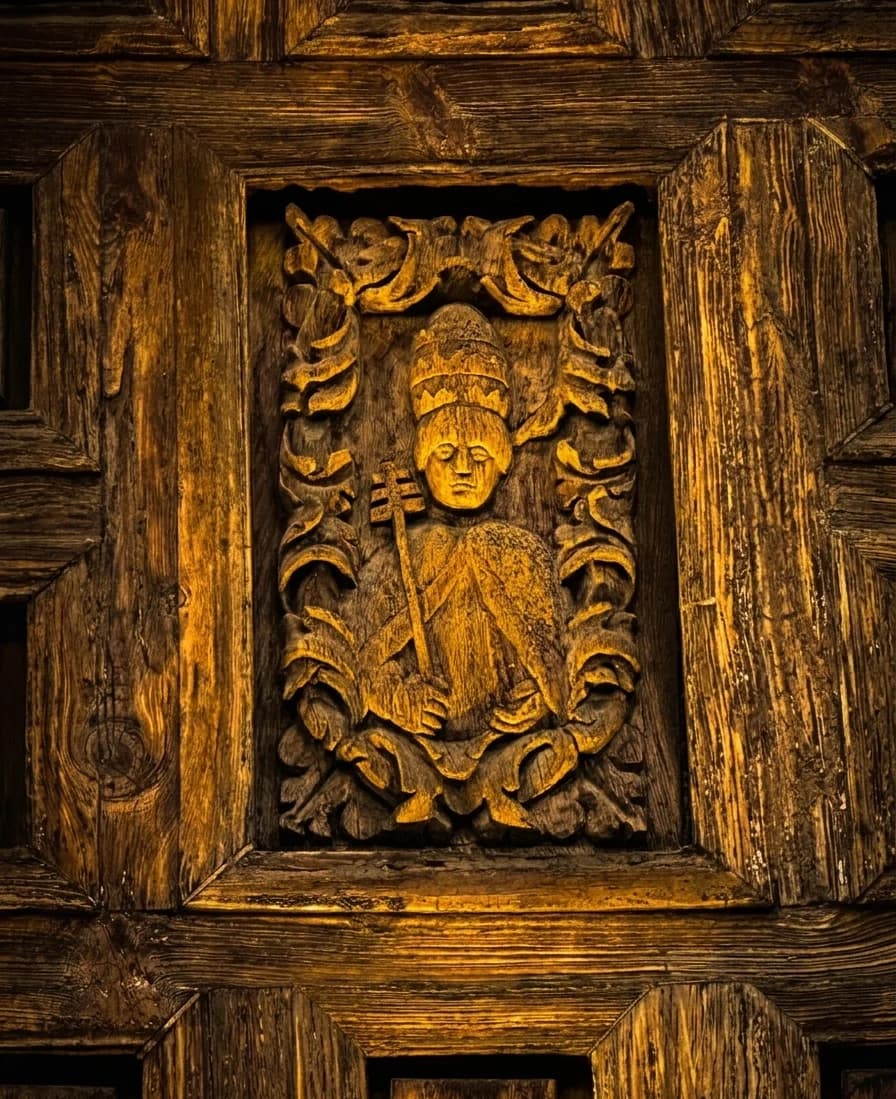
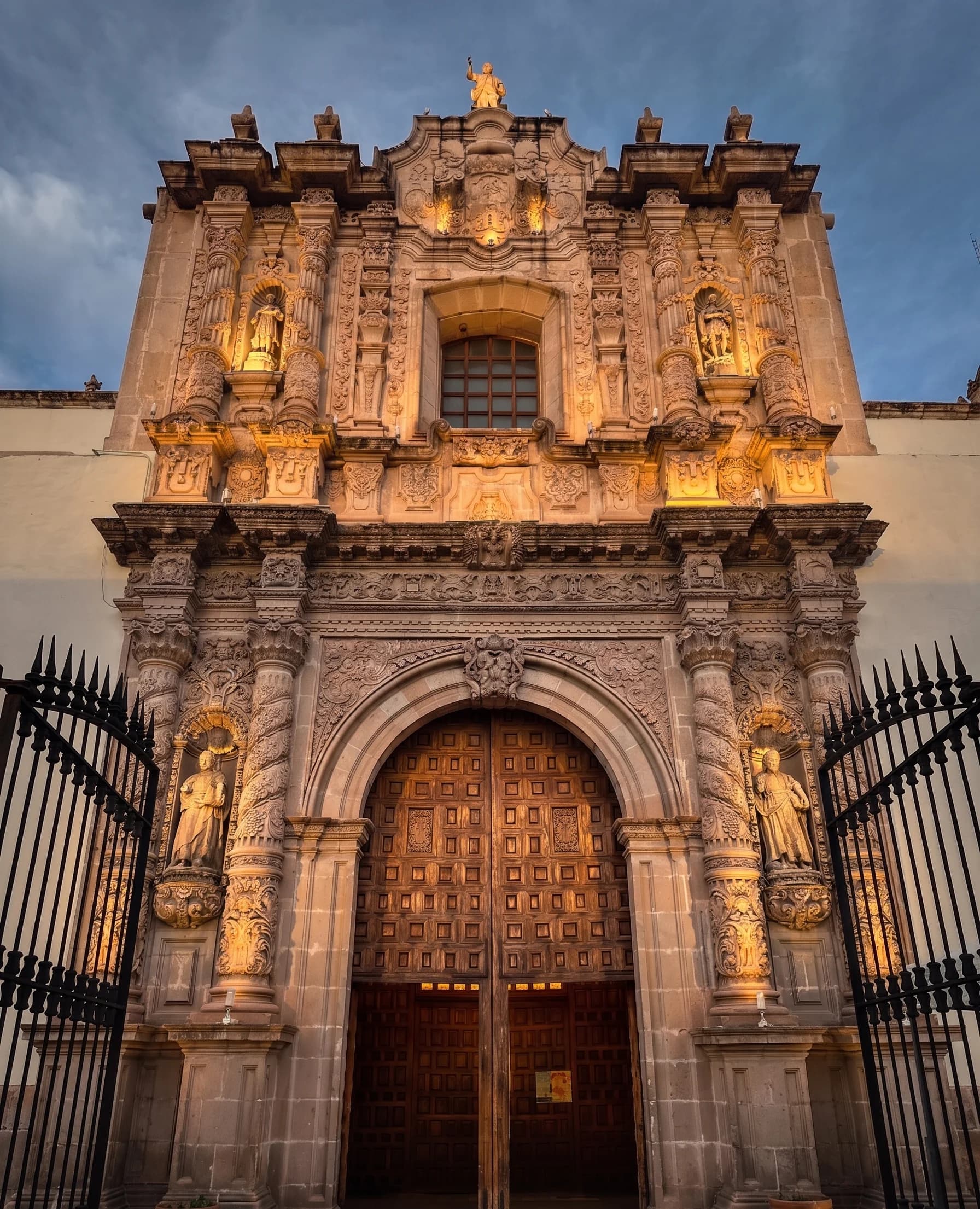
The west façade is an open book where carved stone narrates the transition of styles and the skill of the master stonecutters. Its beginning is placed around 1744 under the direction of Master Miguel Ontiveros, originally from Zacatecas and accompanied by his sons, who brought to Durango the splendor of full baroque, characterized by an ornamental density that sought to reflect divine glory through infinite detail.
A New Supreme Order
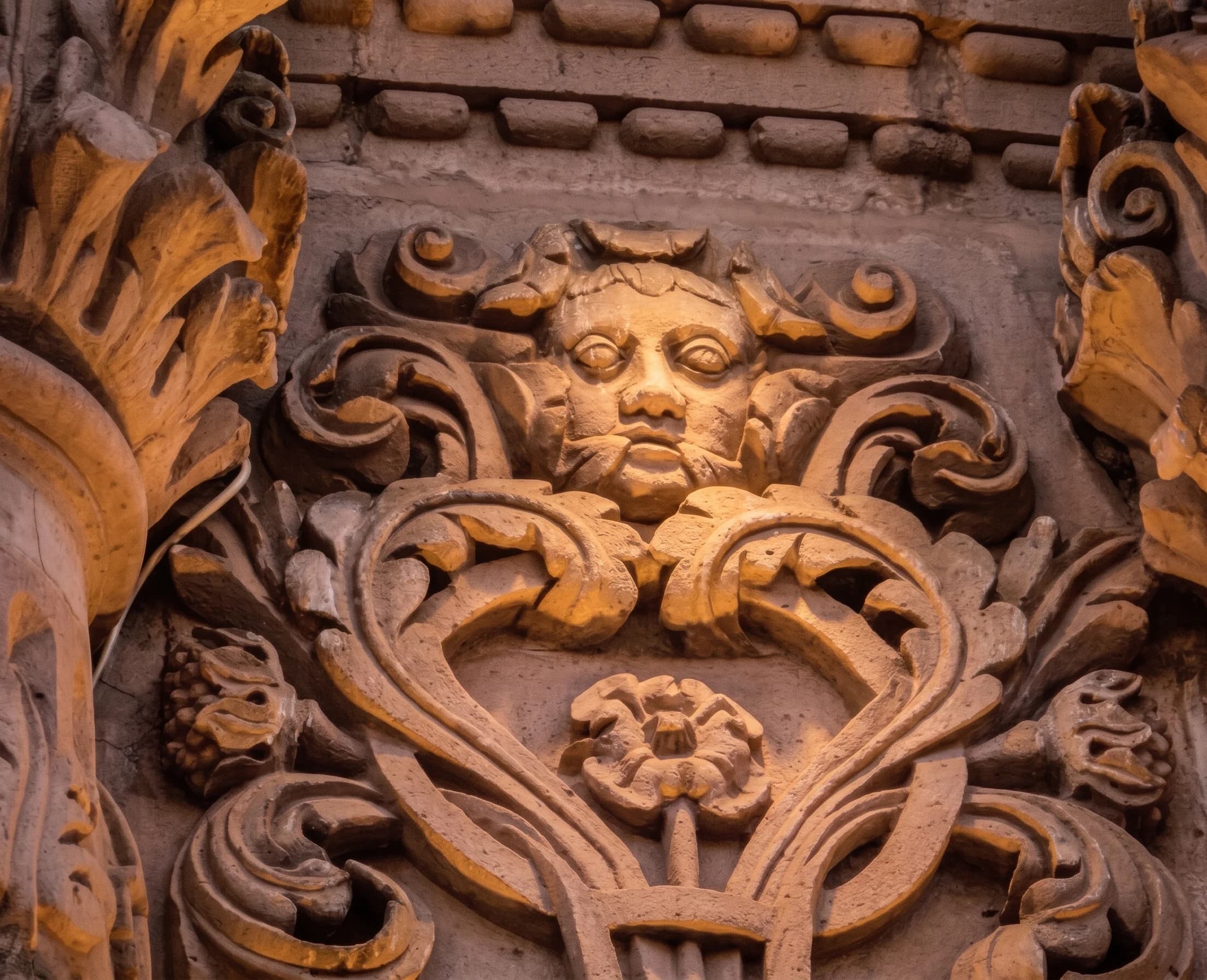
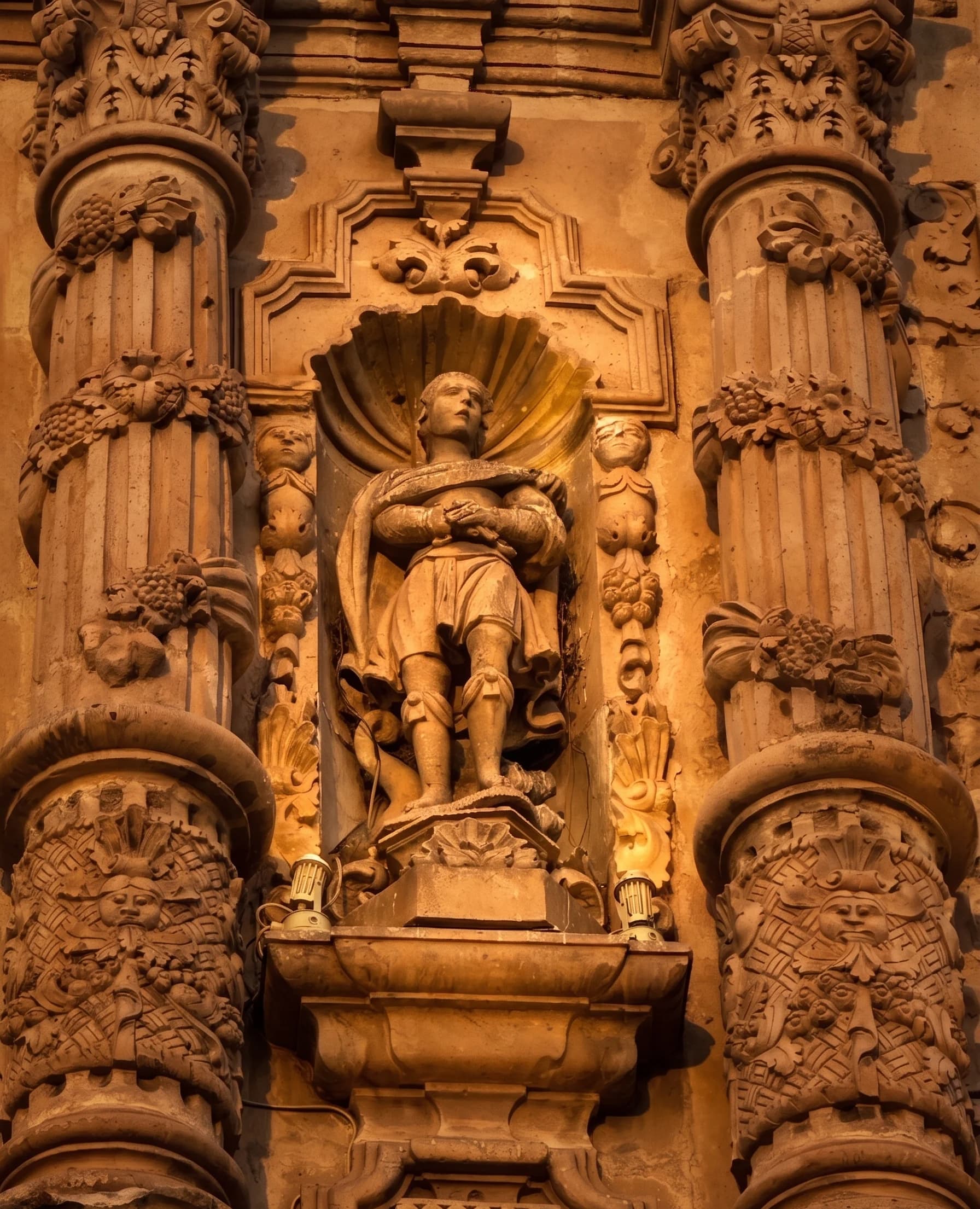
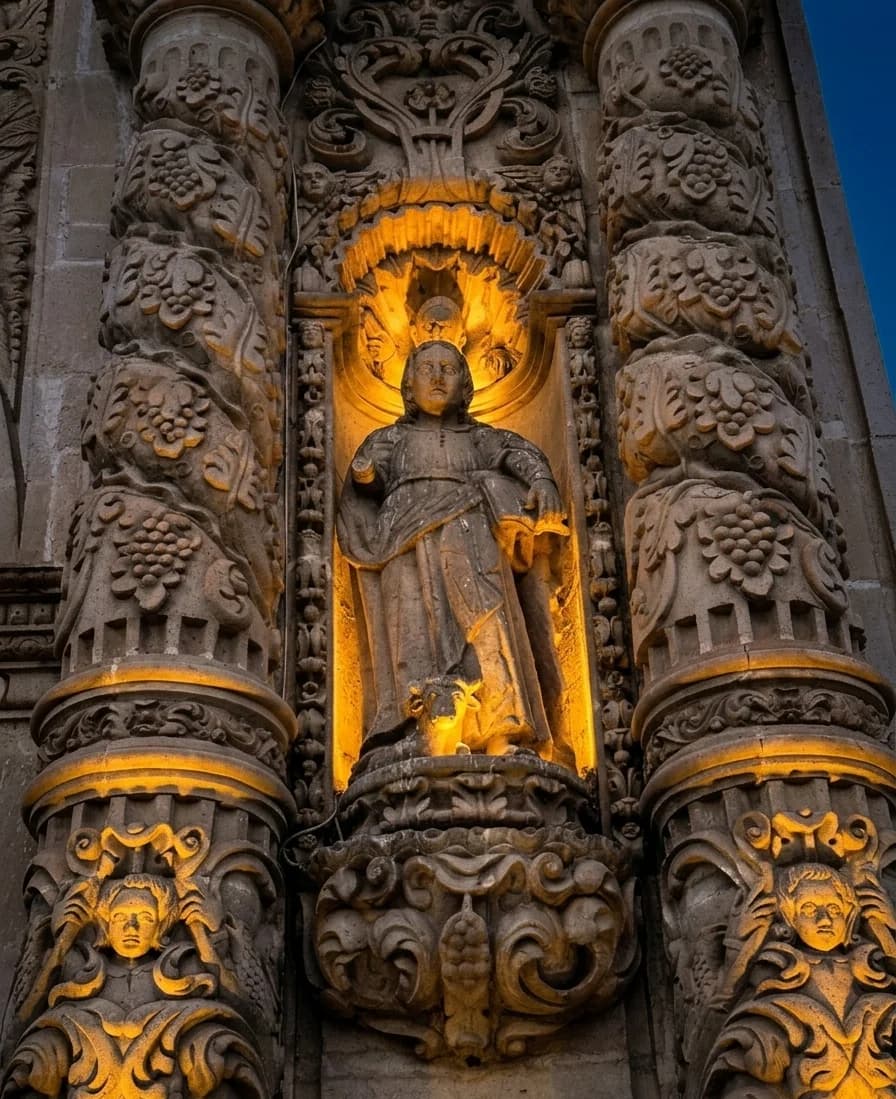
The first body is governed by a "new supreme order" where the attached columns are transformed into sculptural canvases: anthropomorphic figures, deep striations, and rings segmenting the verticality coexist with helical grapes — a clear Eucharistic allusion — culminating in fine Corinthian capitals.
Curatorial text: Museum of the Cathedral Basilica of Durango · Archdiocese of Durango
Historical research: Historian José Alonso Martínez Barrios
Pedro de Huertas · Neostyle · 1764
The Second Body
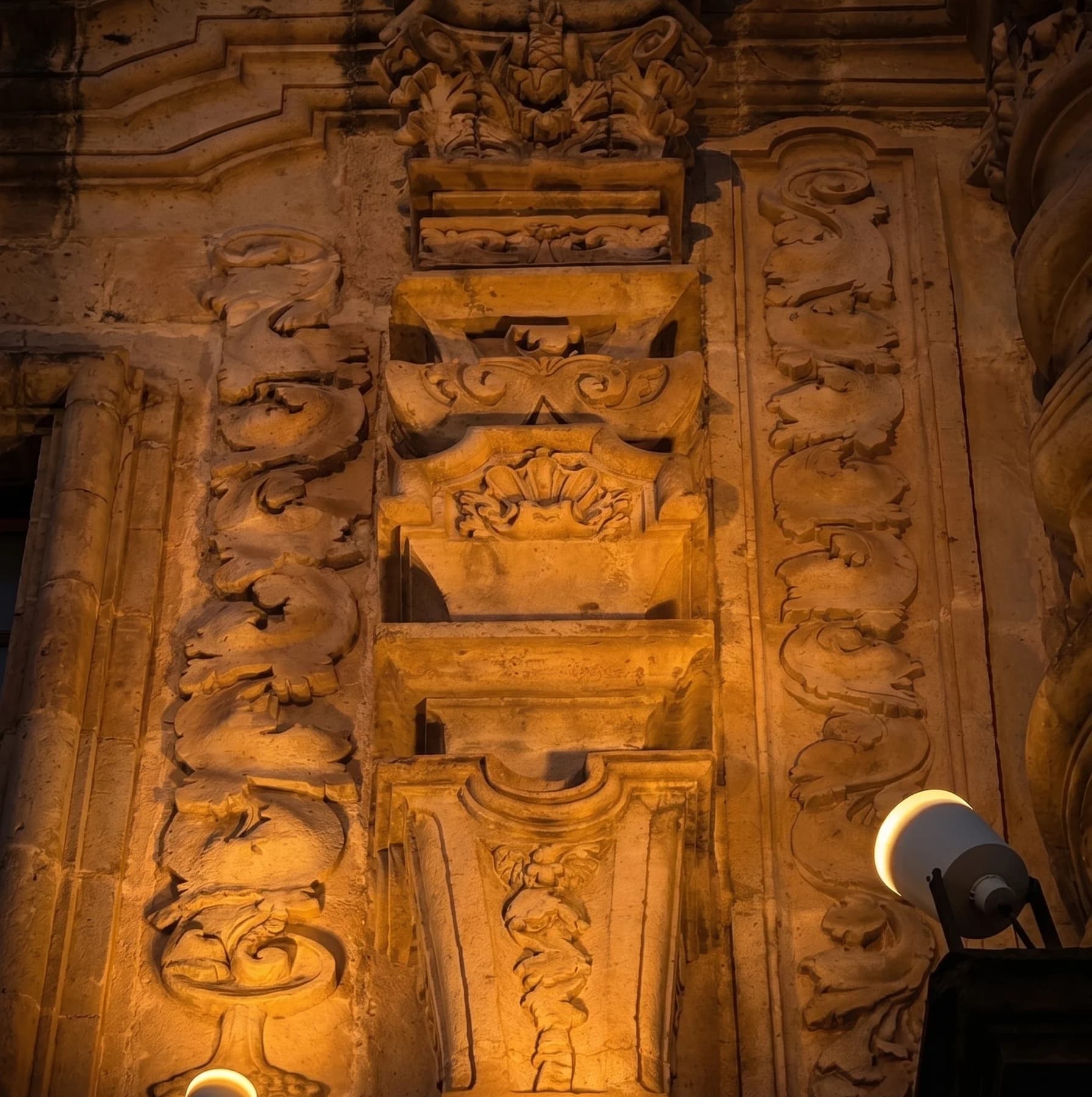
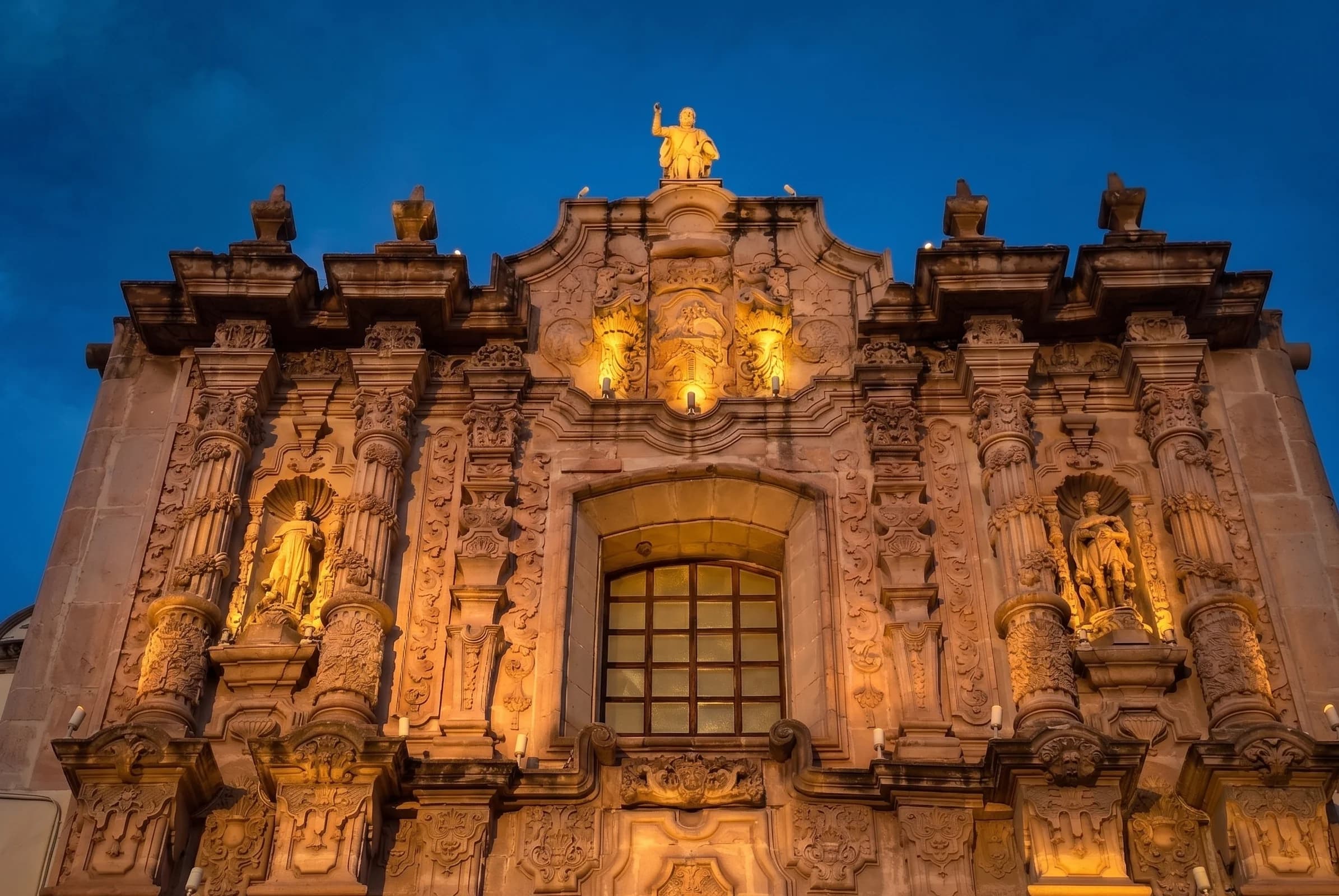
In 1764, under the episcopate of Pedro Tamarón y Romeral, Pedro de Huertas completed the second body introducing the "neostyle" style: greater visual lightness and geometric complexity centered on the estipite column. Two central estipites and four composite columns frame the aedicules of Saint Mark and Saint George in contrapposto. The shafts display helical garlands over striations and bases with caryatids and floral motifs.
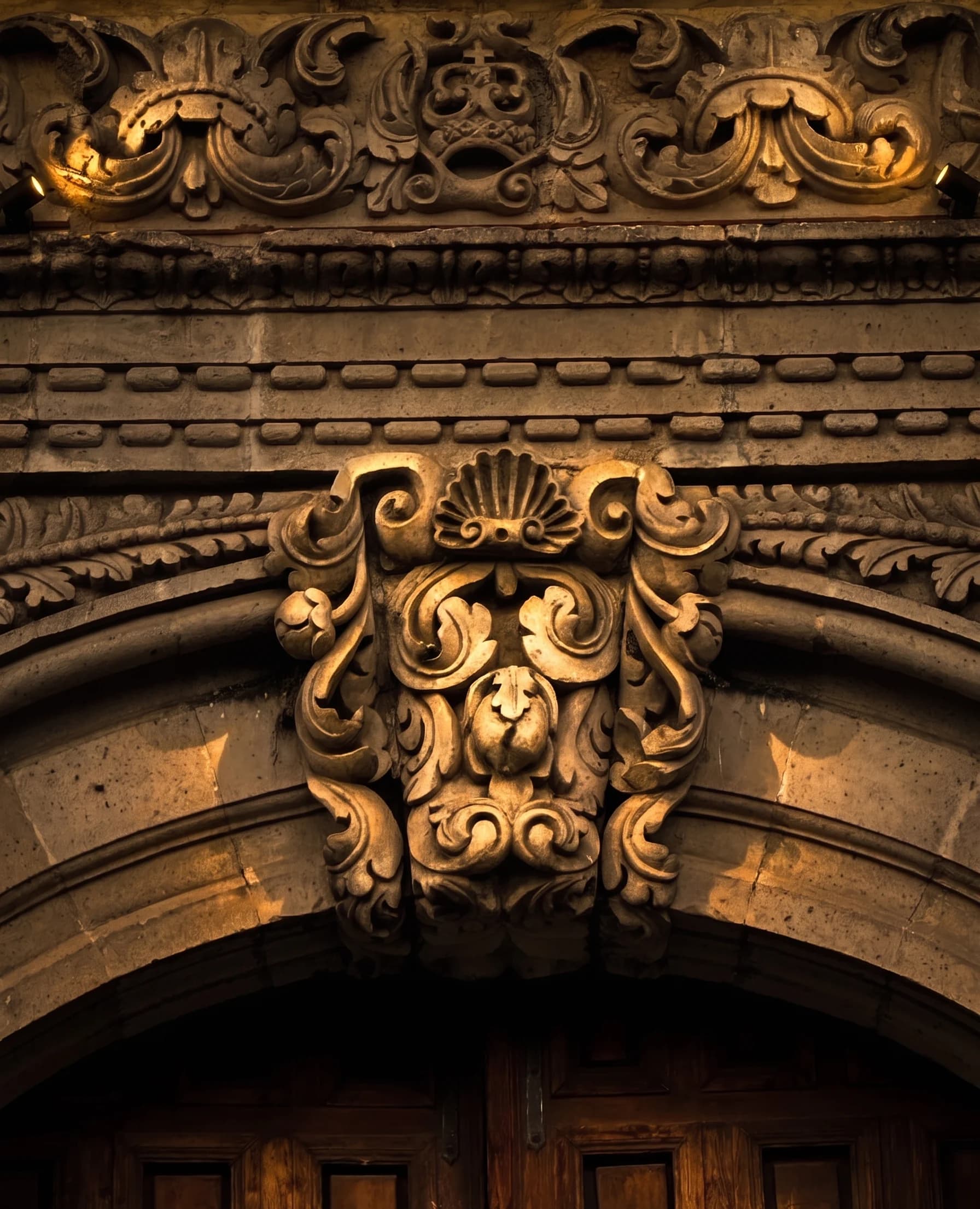
The crowning is a piece of heraldry and faith: the cathedral shield displays the Sun, the Moon, the Ladder, and the Marian Monogram. Two seraphim crown the Virgin and the episcopal galero frames the inscription "Eclesiæ Novæ Cantabriæ Capitulum." A central angel grants the final blessing, closing the artistic cycle that began with the Zacatecan tradition of Ontiveros.
The crowning is a piece of heraldry and faith: the cathedral shield displays the Sun, the Moon, the Ladder, and the Marian Monogram. Two seraphim crown the Virgin and the episcopal galero frames the inscription "Eclesiæ Novæ Cantabriæ Capitulum." A central angel grants the final blessing, closing the artistic cycle that began with the Zacatecan tradition of Ontiveros.
Gallery