PIPE ORGANS — Catedral Basílica de Durango
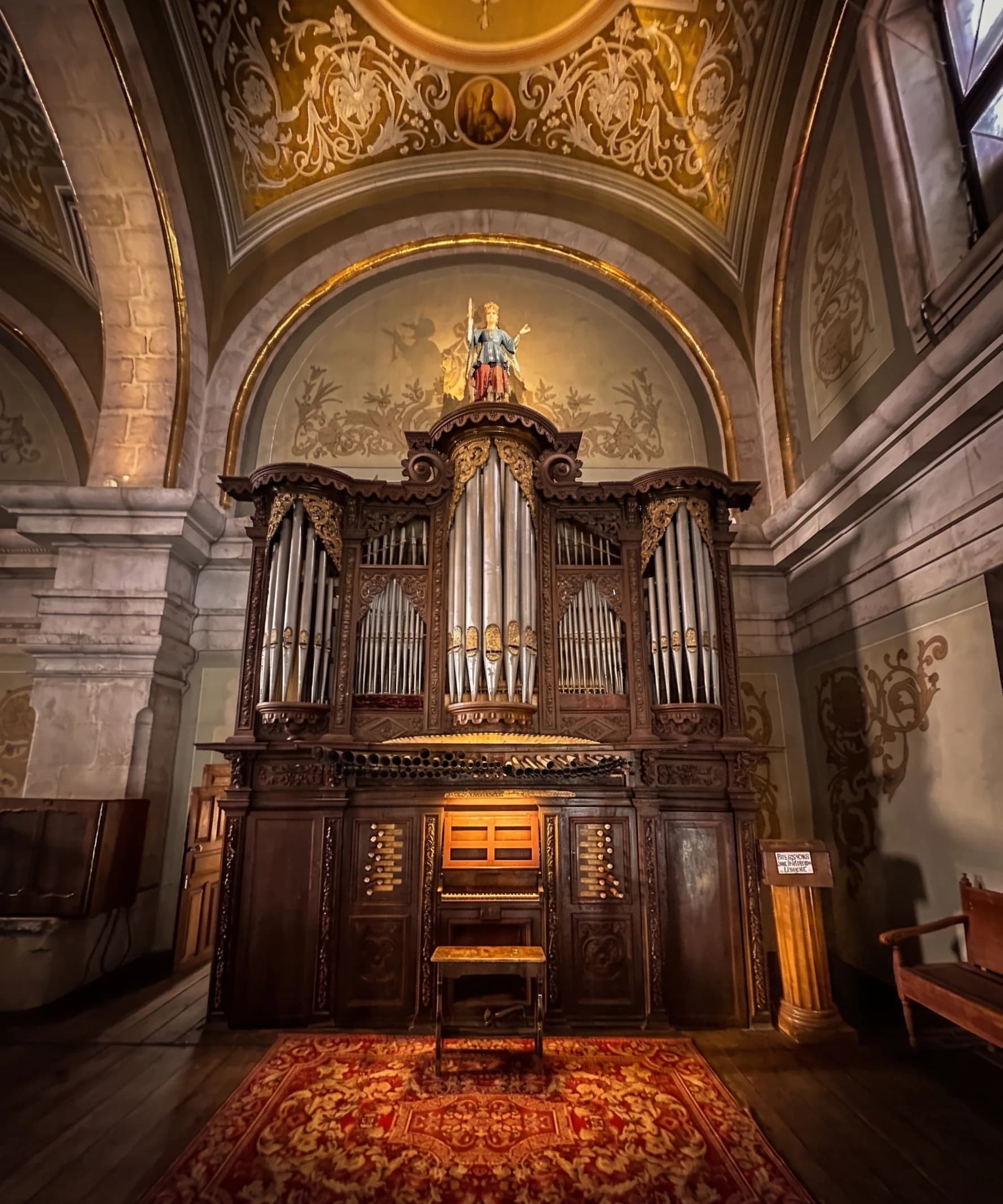
The sonic soul of cathedral liturgy
the tour
PIPEORGANS17th — 19th Centuries
The sonic soul of cathedral liturgy
The Soundscape of the Liturgy
Tradition since the 17th century
Through the centuries, the inventories and descriptions of the building have borne witness to the constant presence of pipe organs, instruments that have defined the soundscape of the liturgy since the 17th century.
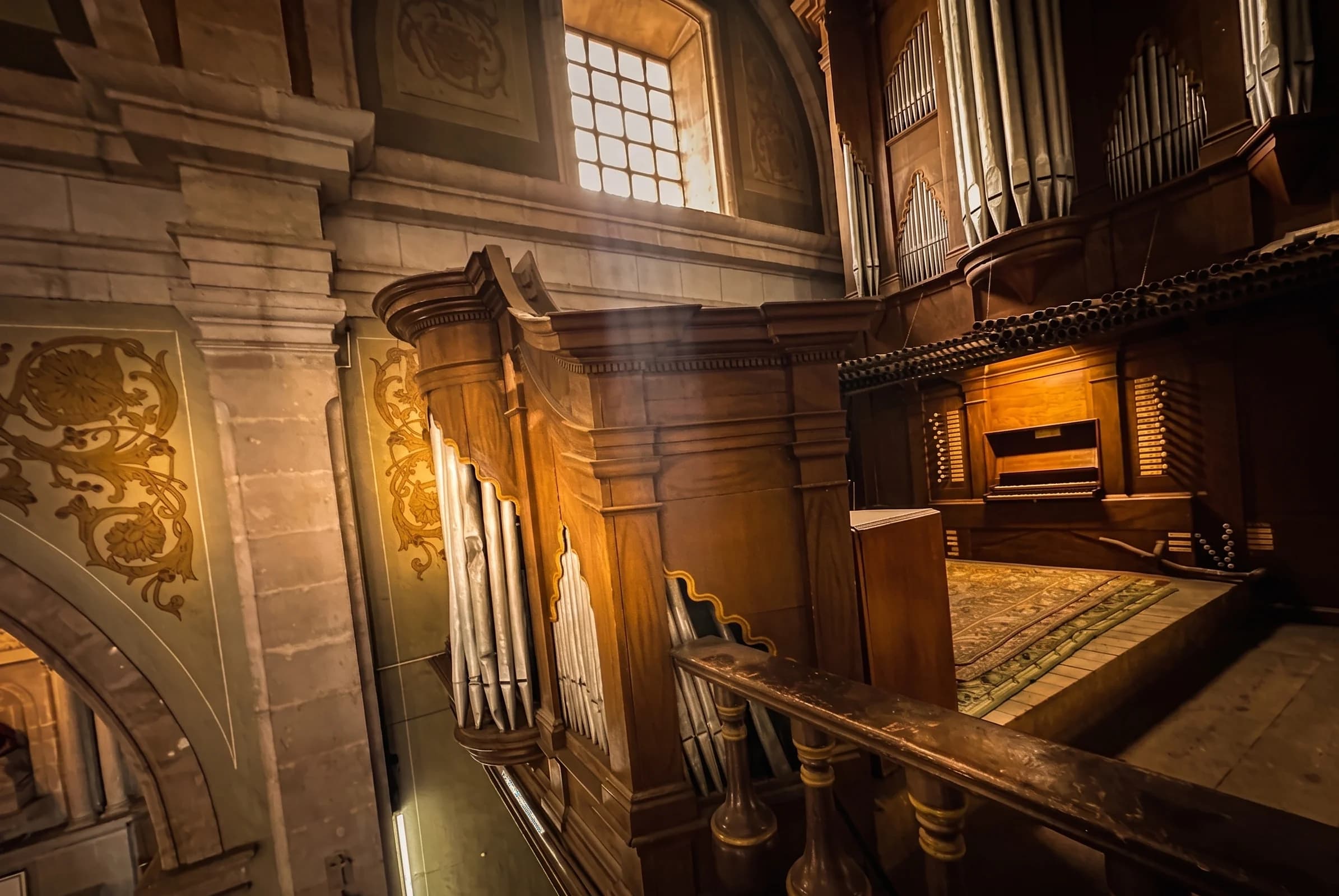
The earliest chronicles suggest that the organistic tradition in Durango dates back to the dawn of the viceregal period. It is speculated that, in its initial stages, the instrument may have occupied the underchoir of the main entrance. However, given the hierarchical importance of this see, it is likely that the model of the Cathedral of Mexico City was followed, placing the instruments in the lateral choir lofts directly linked to the choir space.
The Lateral Choir Lofts
Curatorial text: Museum of the Cathedral Basilica of Durango · Archdiocese of Durango
Historical research: Historian José Alonso Martínez Barrios
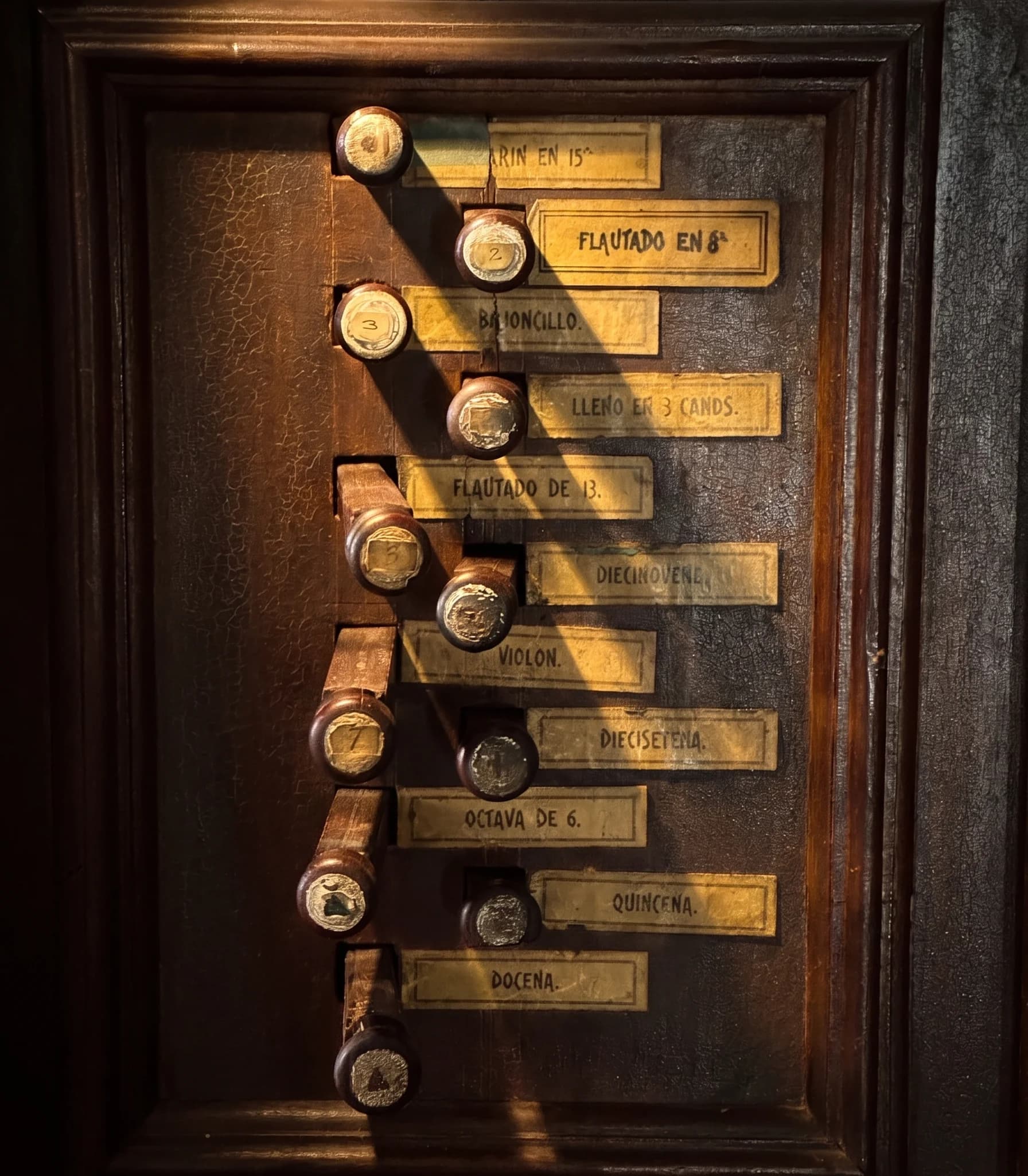
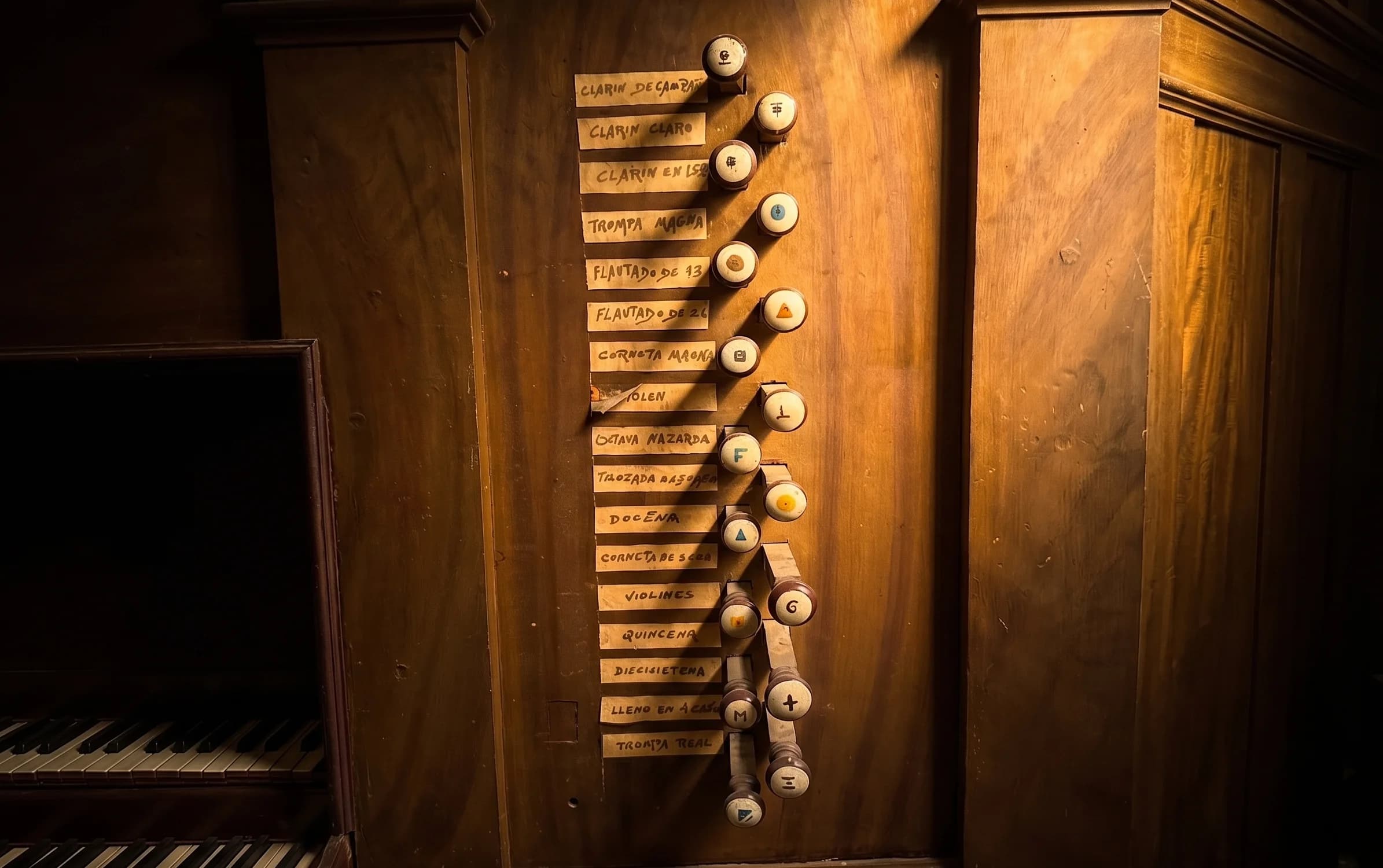
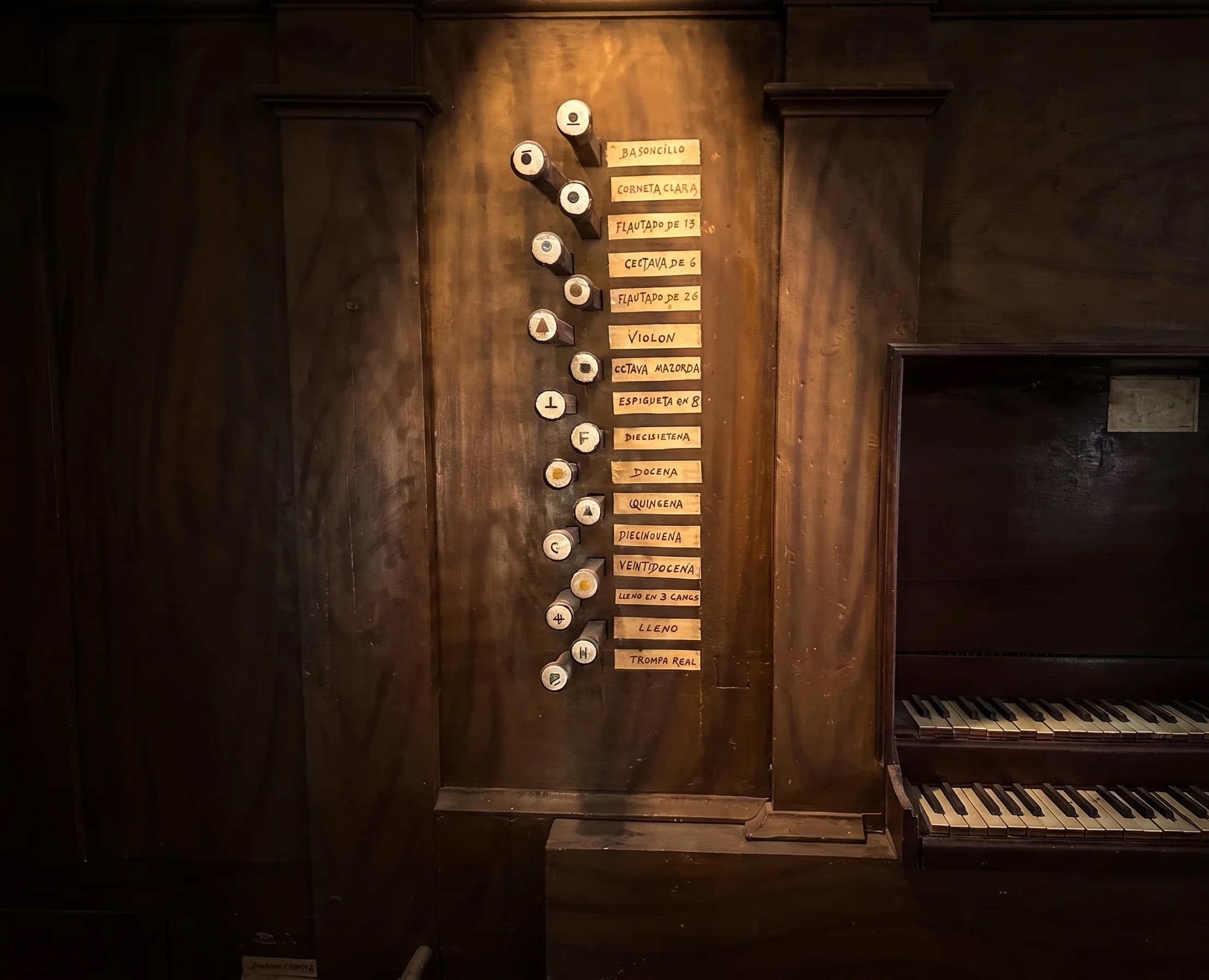
The Minor Organ
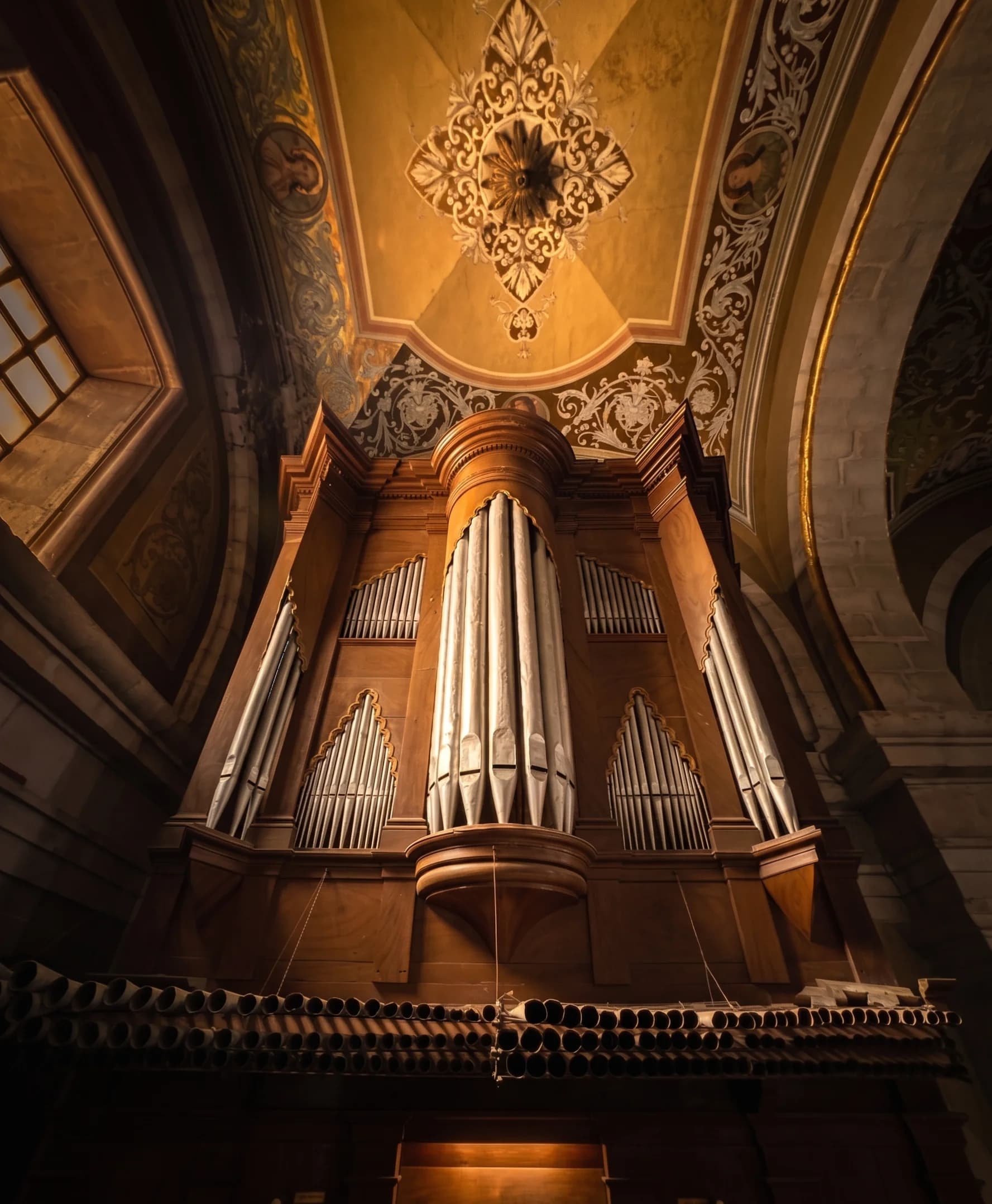
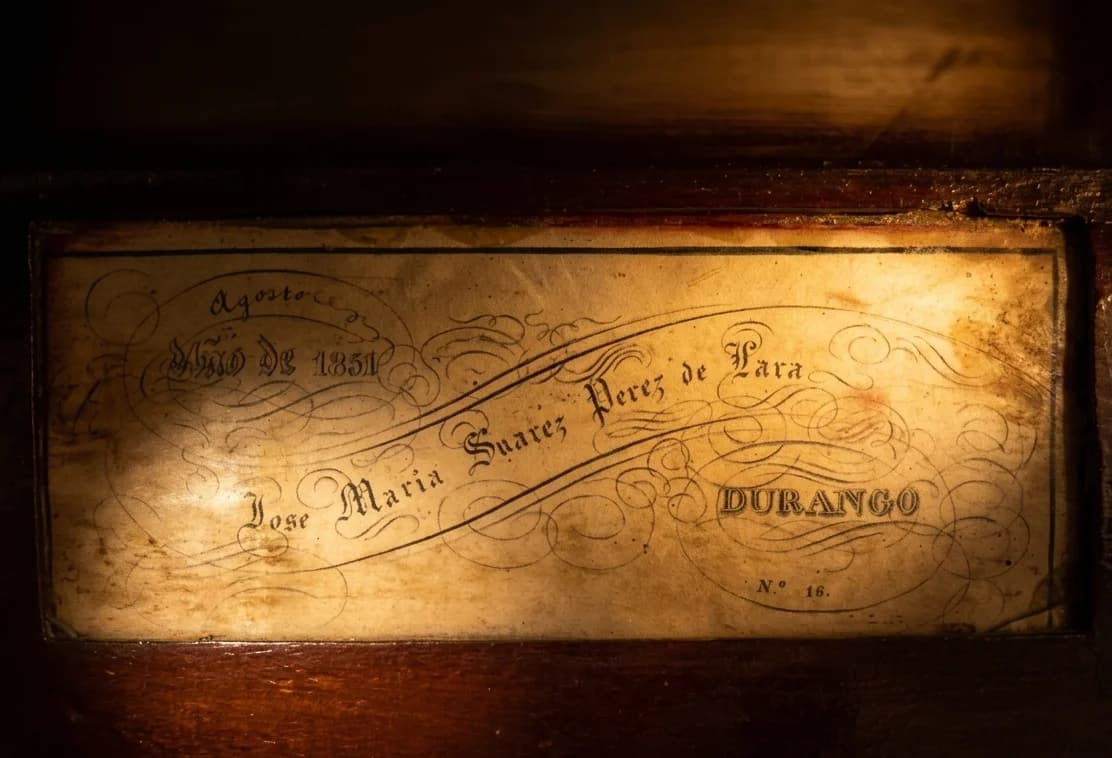
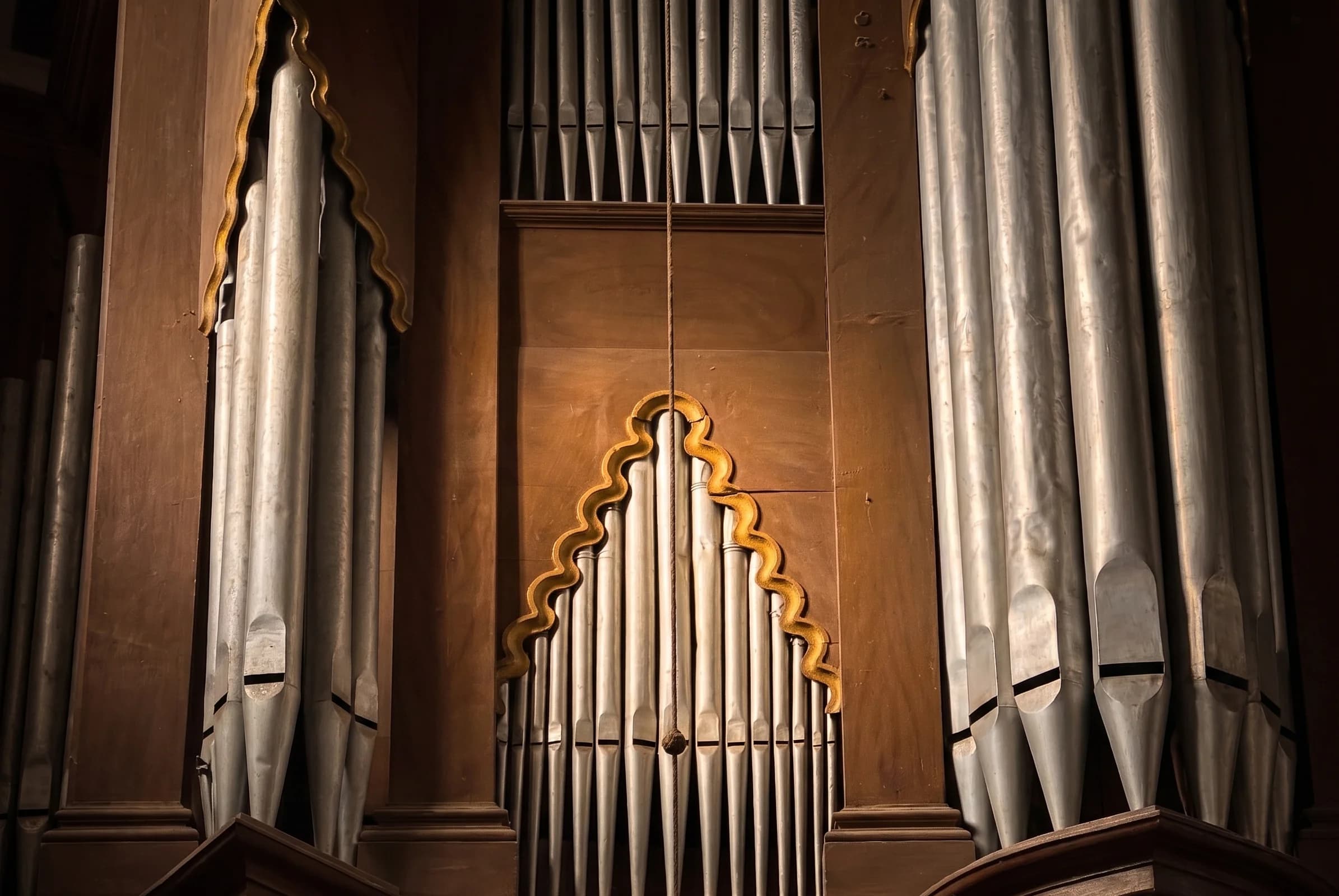
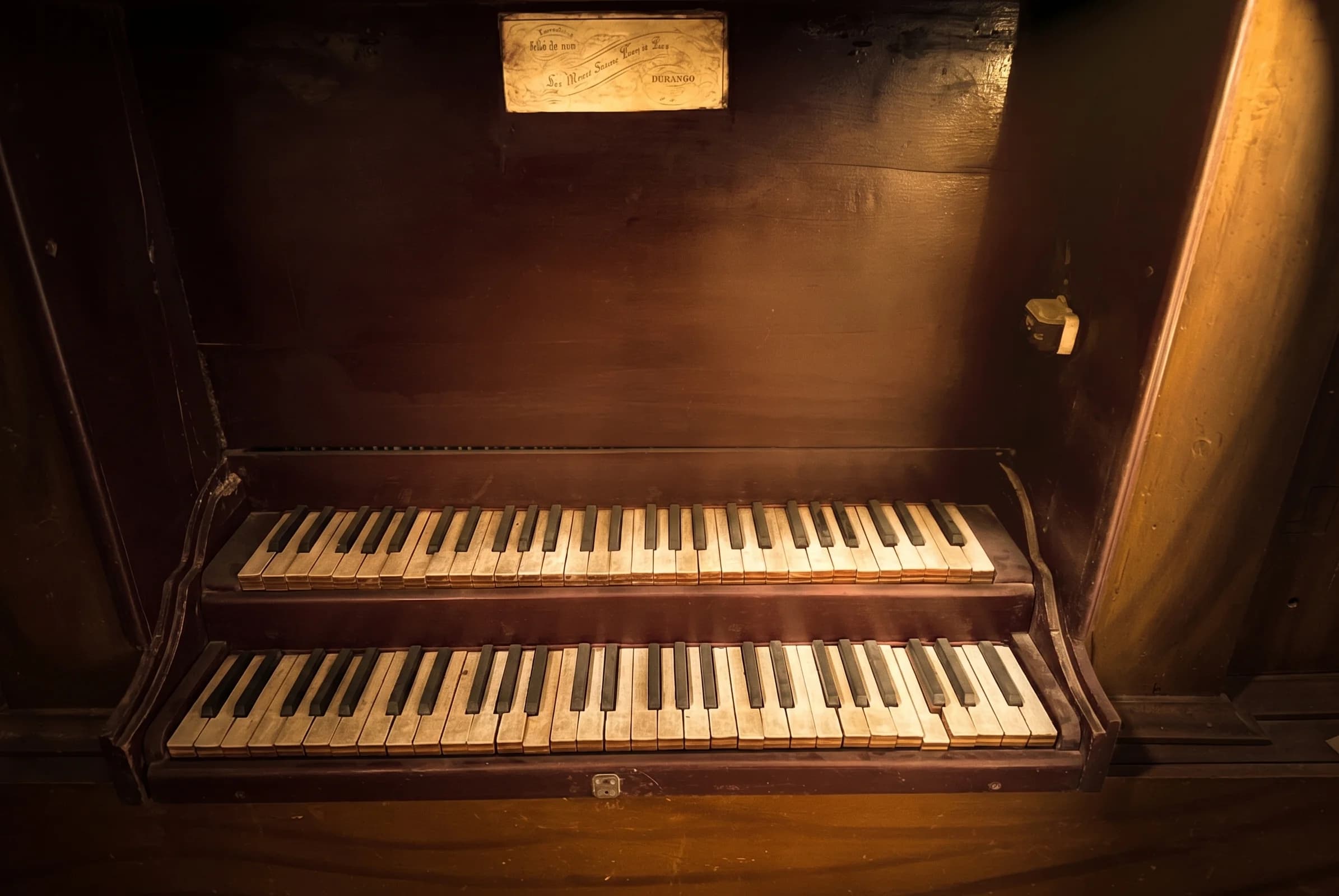
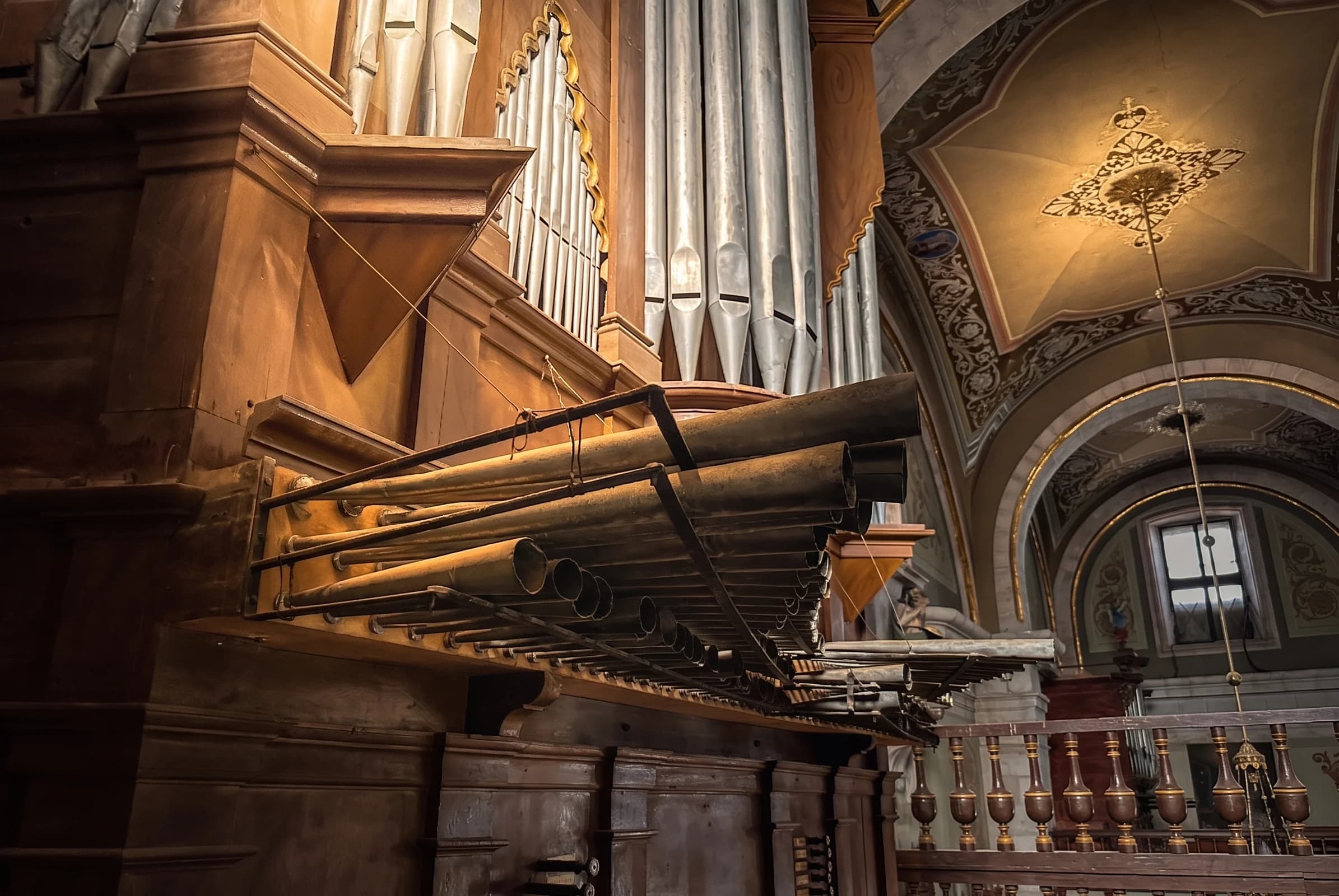
During its installation, a notable technical evolution stood out: the main flute stop was recast to guarantee the purity of the tone; five mixtures and the emblematic trumpet stop were added, giving it the power characteristic of Mexican baroque. Its case preserves an exquisite baroque ornamentation, where the painted mascarons on the mouths of the pipes stand out, elements that seem to come alive as air circulates through the flutes. The instrument was officially recognized during the episcopate of Gabriel Olivares y Benito, consolidating it as a fundamental piece of diocesan heritage.
Gallery