THE CHOIR — Catedral Basílica de Durango
Masterpiece of New Spanish cabinetmaking
the tour
THECHOIRStalls · 18th Century
Masterpiece of New Spanish cabinetmaking
Wood, Gold, and Sacred Silence
Francisco Peláez · 1735–1740
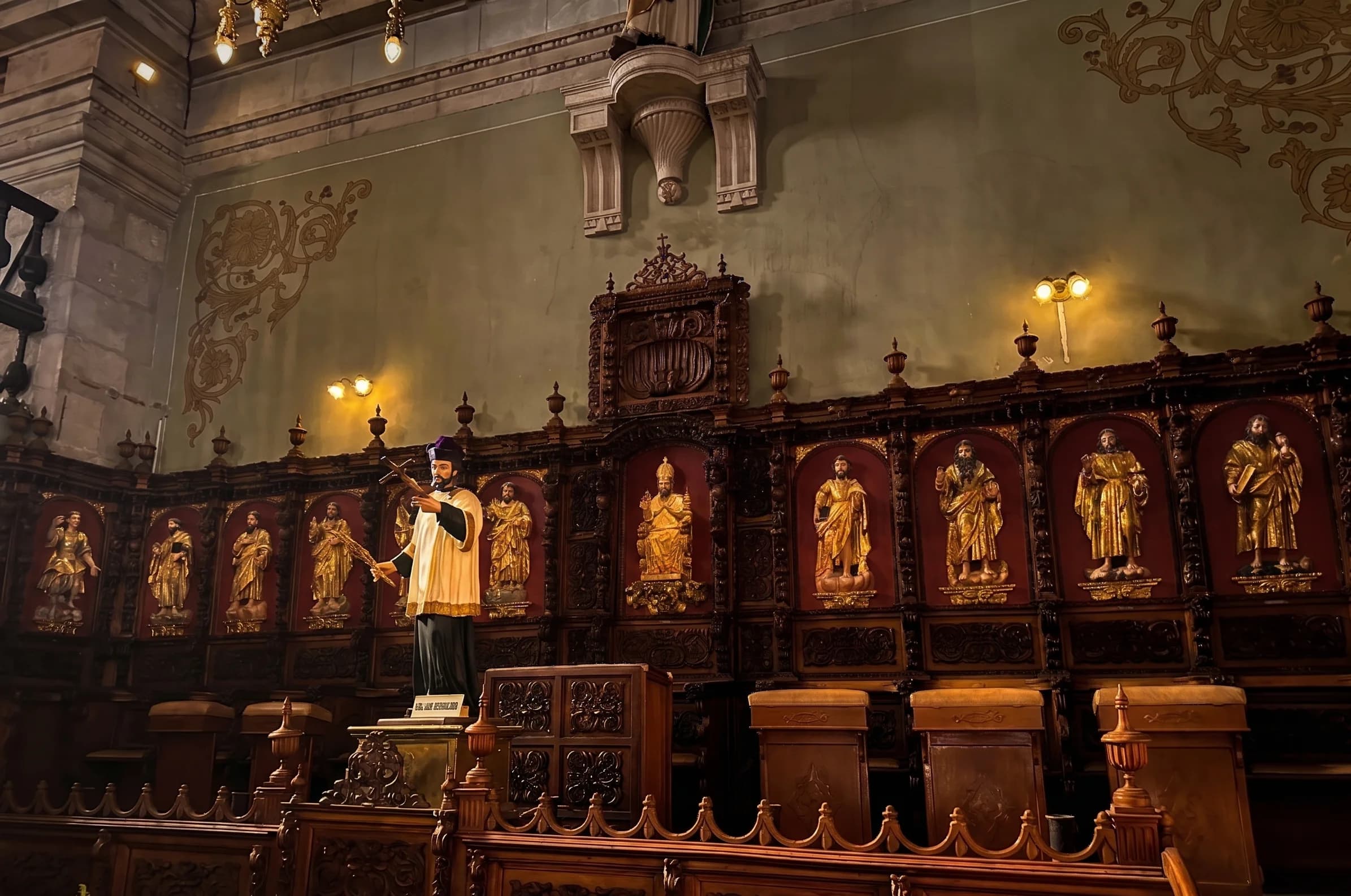
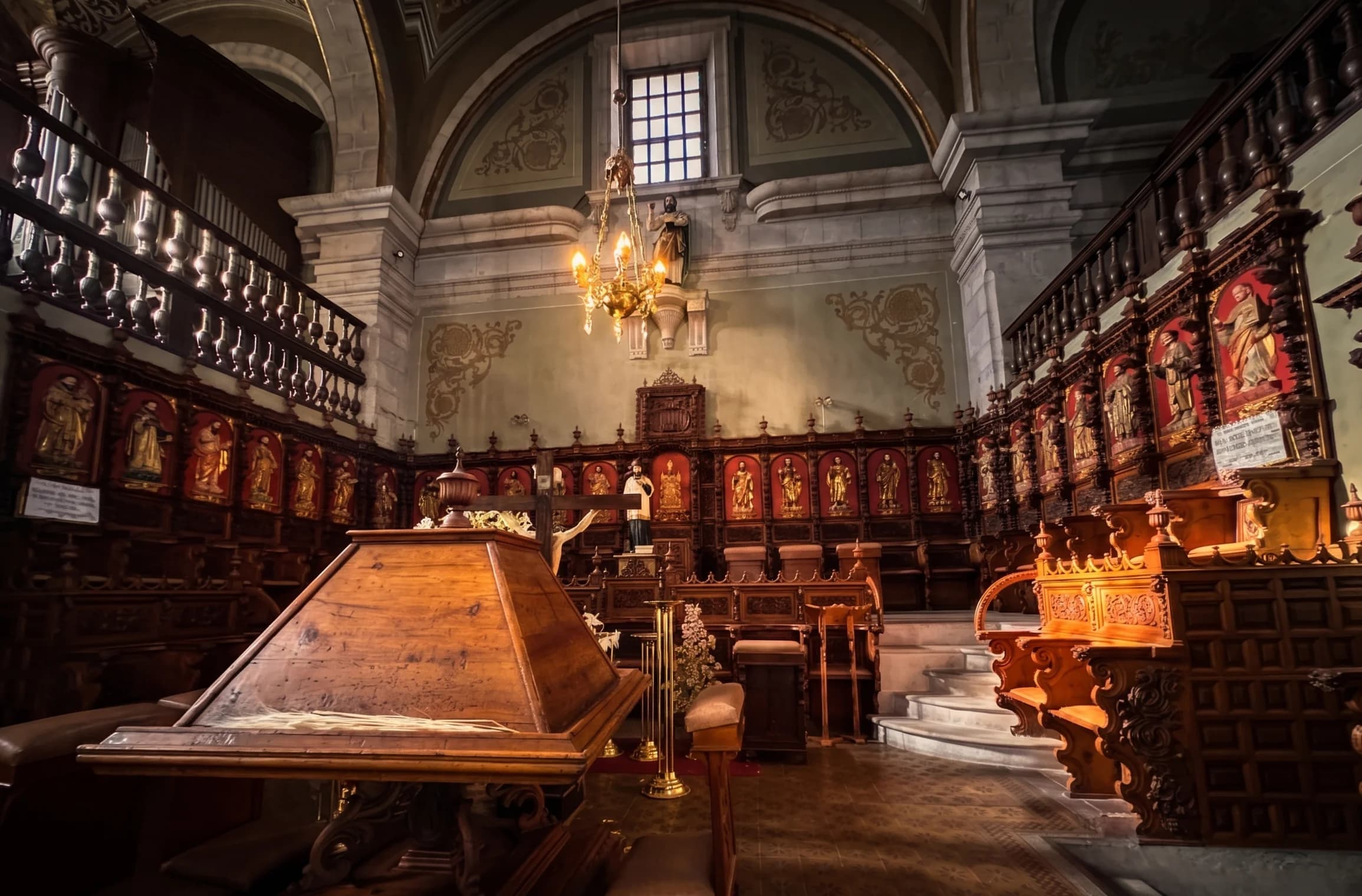
The choir stalls of the Cathedral Basilica of Durango were executed between 1735 and 1740 in Mexico City by master cabinetmaker Francisco Peláez, with the involvement of Lucas and Francisco Nores. In walnut wood — valued for its resistance and nobility — they were meticulously carved and painted black, giving the ensemble a compositional order characteristic of full baroque.
The structure is a testament to ecclesiastical hierarchy rendered in wood: 35 high stalls for the bishop and members of the chapter, and 22 low stalls for the remaining choral ministers. At the center were two music stands and a lectern, fundamental supports for the choir books and scores that guided the sung liturgy.
The Transfer by Bishop Tristán
It was during the episcopate of Bishop Esteban Lorenzo de Tristán that the transfer of the stalls took place, a movement that transformed the physiognomy of the space and also displaced the Altar of the Kings — an old gilded altarpiece with seven paintings relating to the birth of Jesus — that preceded the current location.
Curatorial text: Museum of the Cathedral Basilica of Durango · Archdiocese of Durango
Historical research: Historian José Alonso Martínez Barrios
The Saints of the Chapter
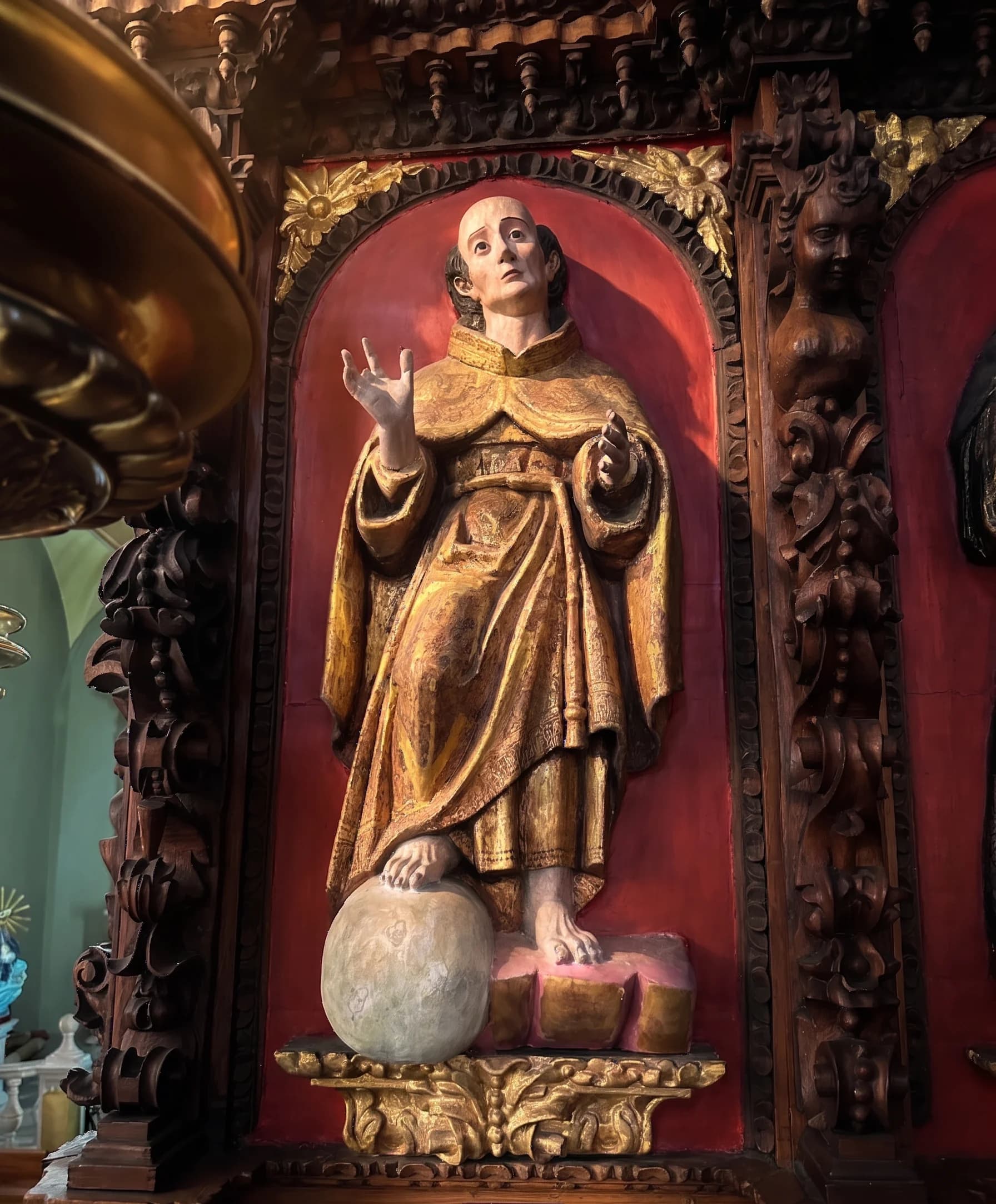
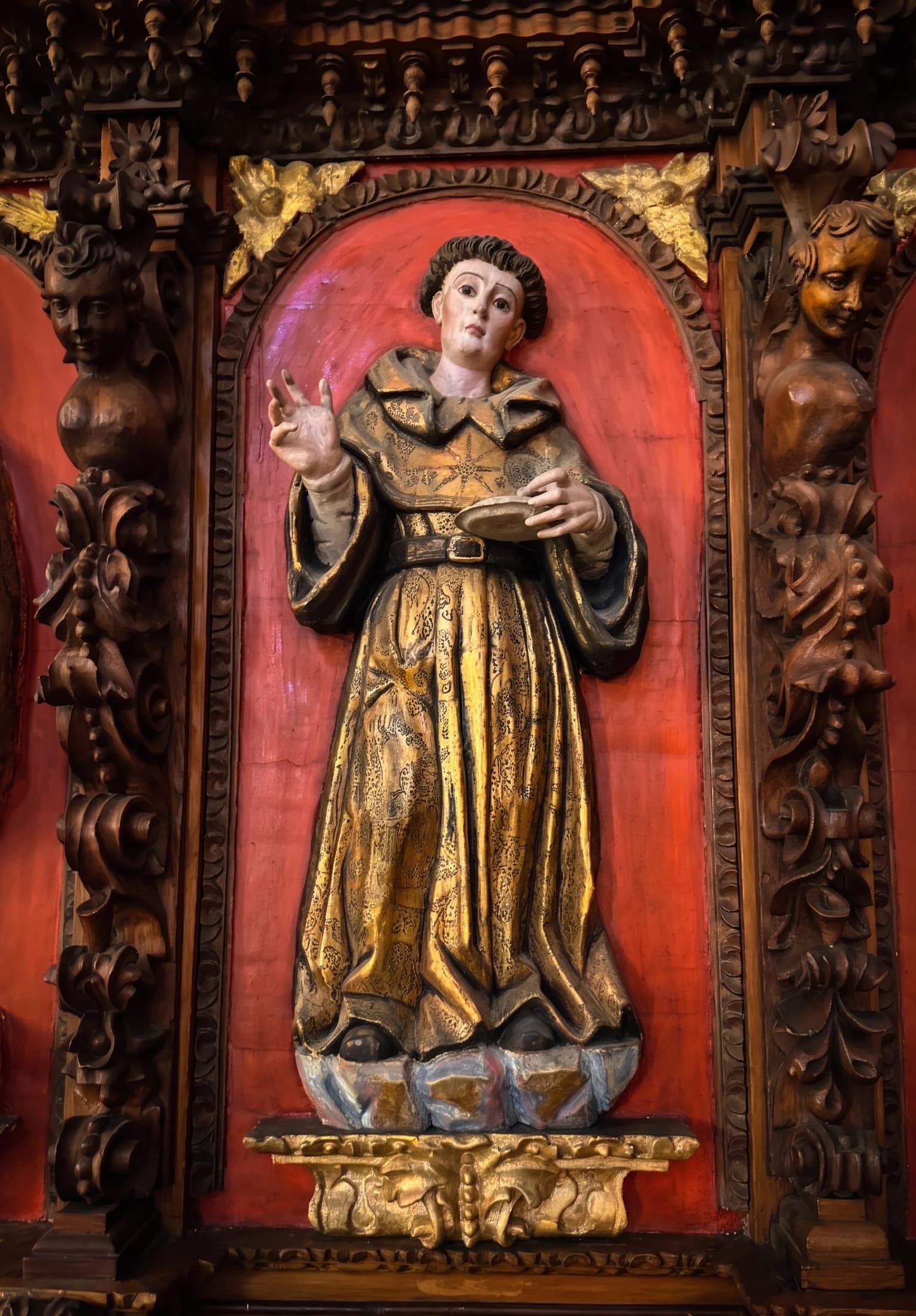
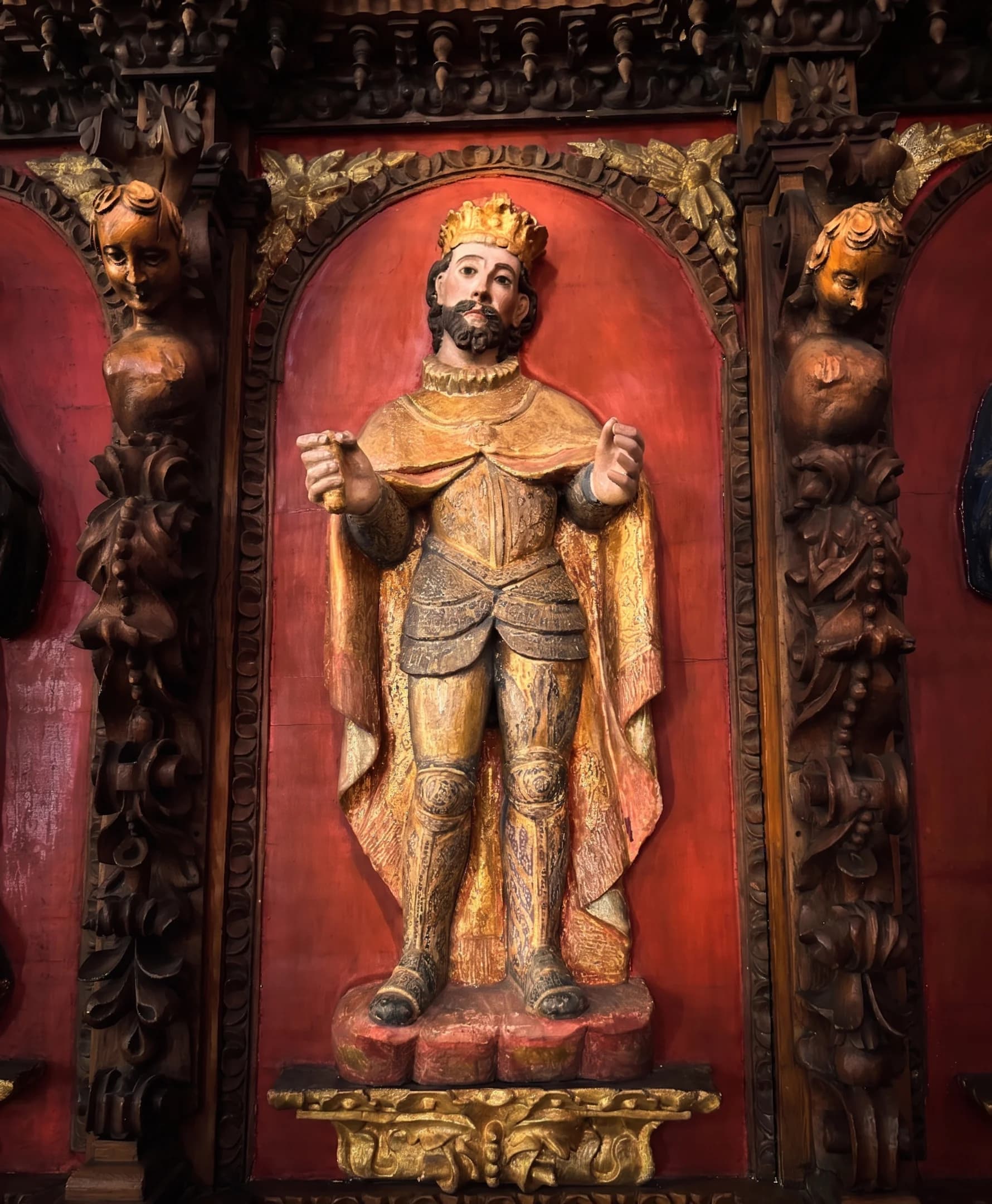
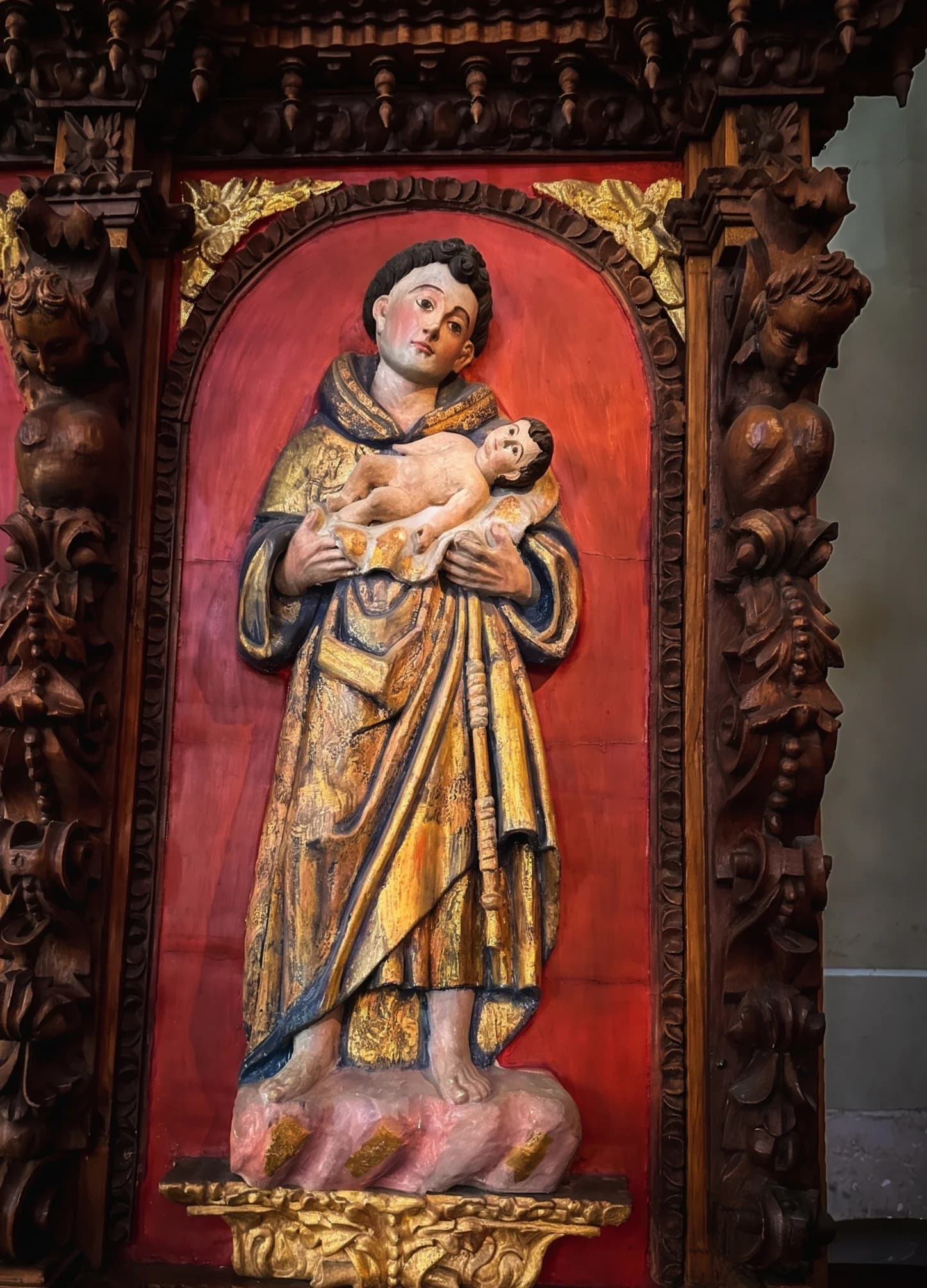
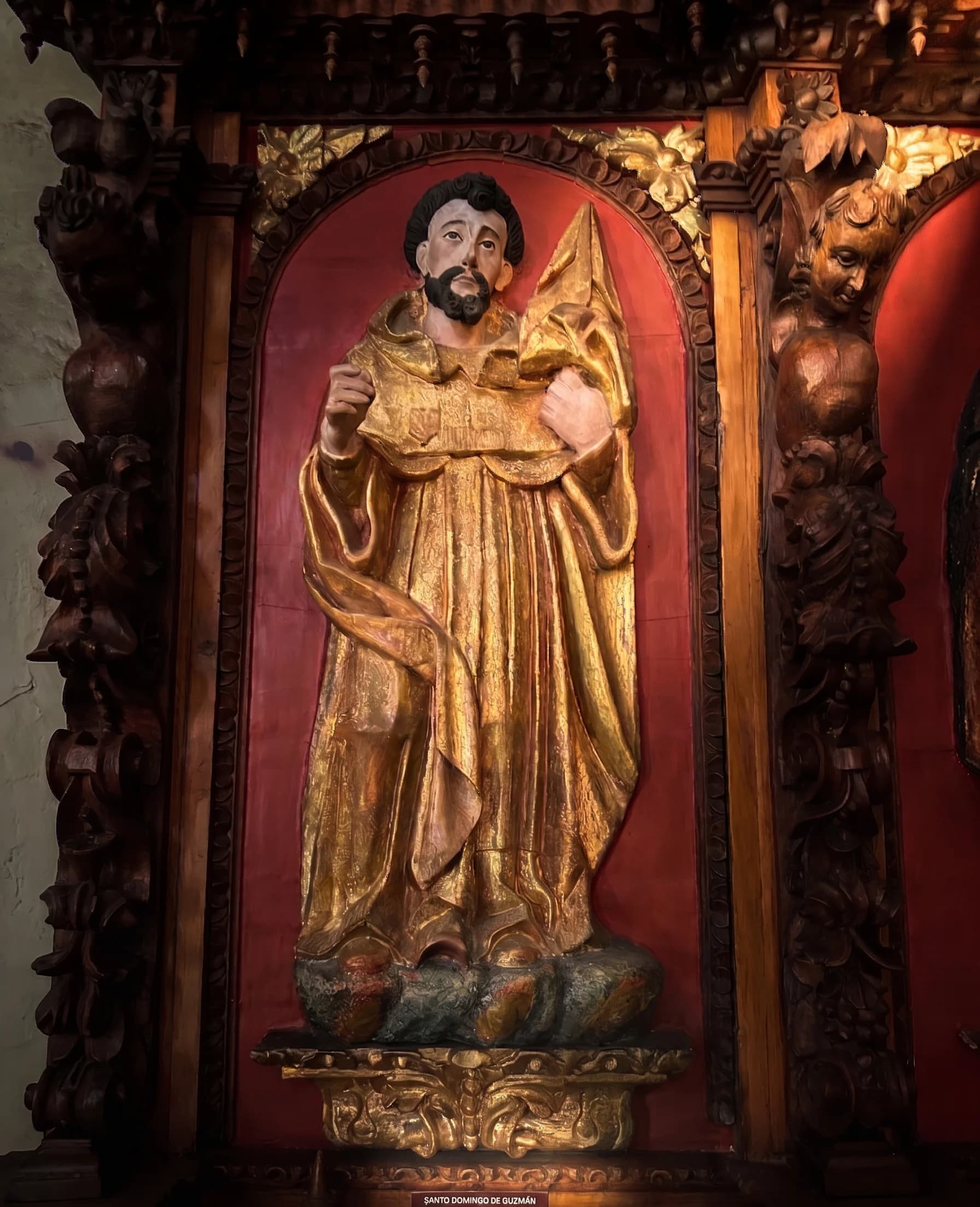
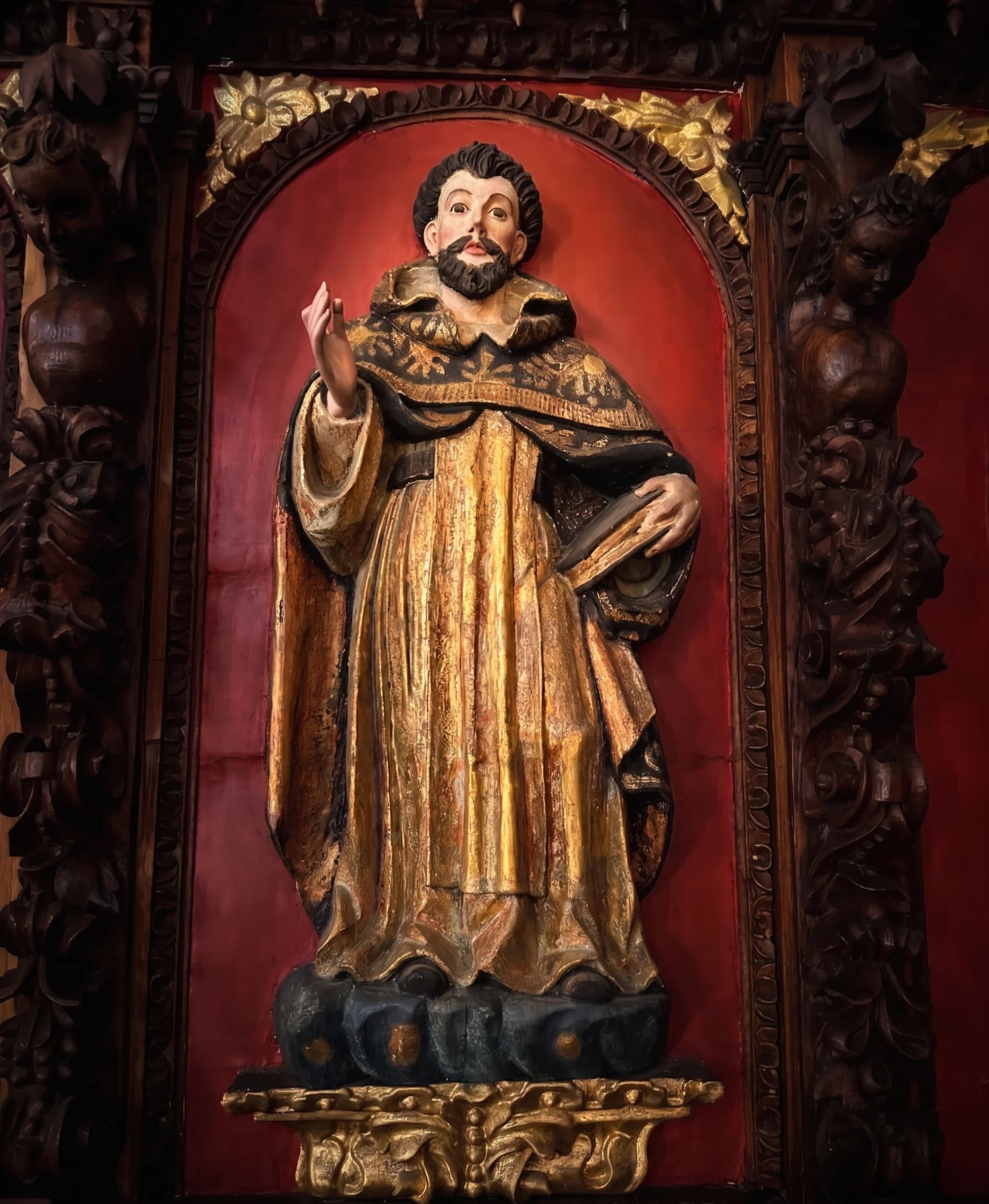
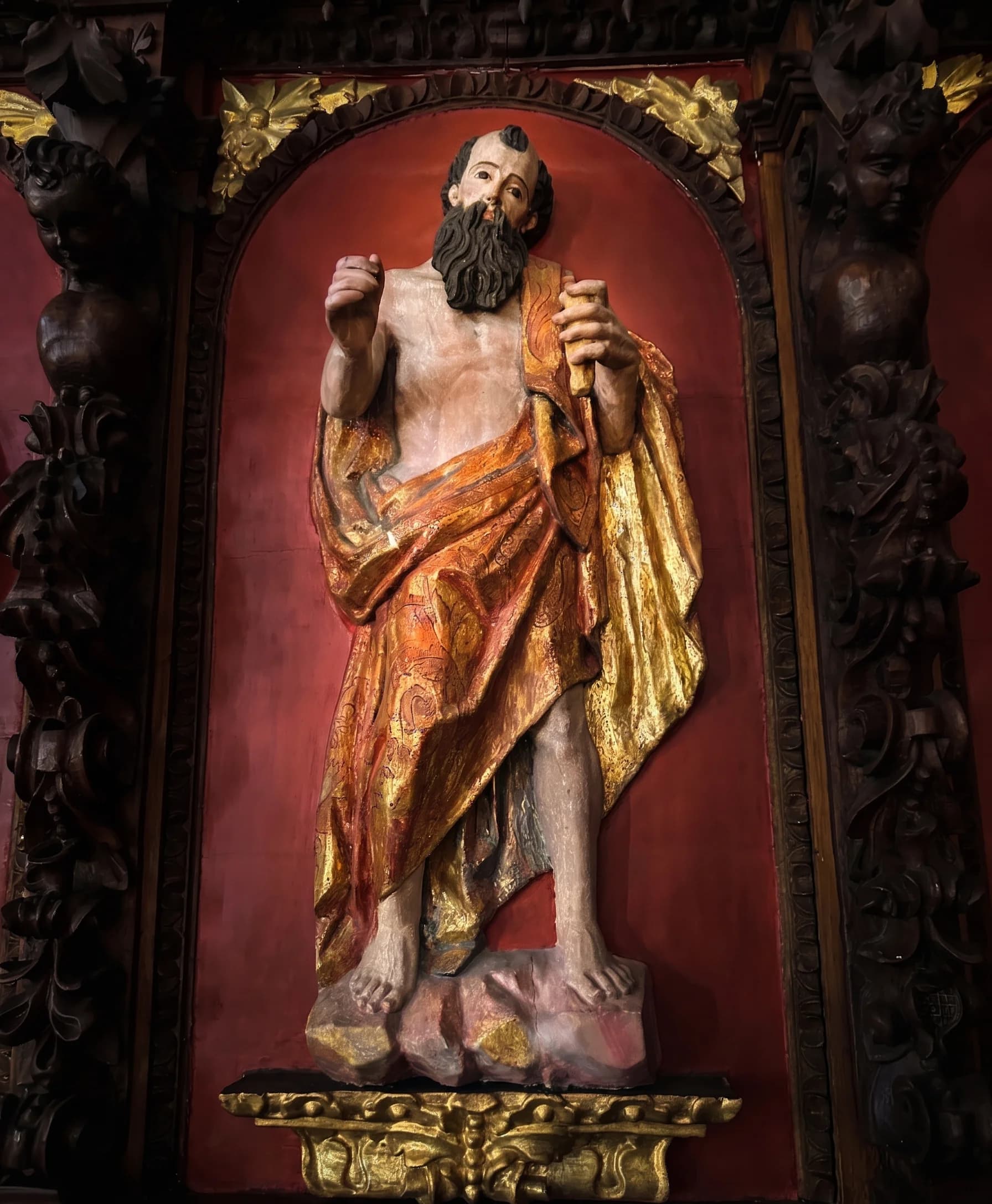
Each backrest of the upper stalls is crowned by a sculpture in relief or half-carving, gilded, representing a complex iconographic program: apostles, evangelists, founders of orders, and saints of the universal Church. This display of saints surrounded the dignitaries during their prayers, reminding them of the continuity of the Church and the exemplary lives of their predecessors.
Gallery