Estatua
Our Lady of the Sorrows

VIRGINOF SORIANOThe Thaumaturge of Querétaro

Intercessor in difficult causes

View in tour
History and Style

From the Altar of Saint Peter to the Sorrowful Virgin

An altar with three centuries of history

In this apse, the 18th century witnessed an altarpiece dedicated to Saint Peter, symbol of the permanence of the Roman popes. A nearly two-vara sculpture of Saint Peter, vested in pontifical robes and crowned with the papal tiara, presided over the space for generations.

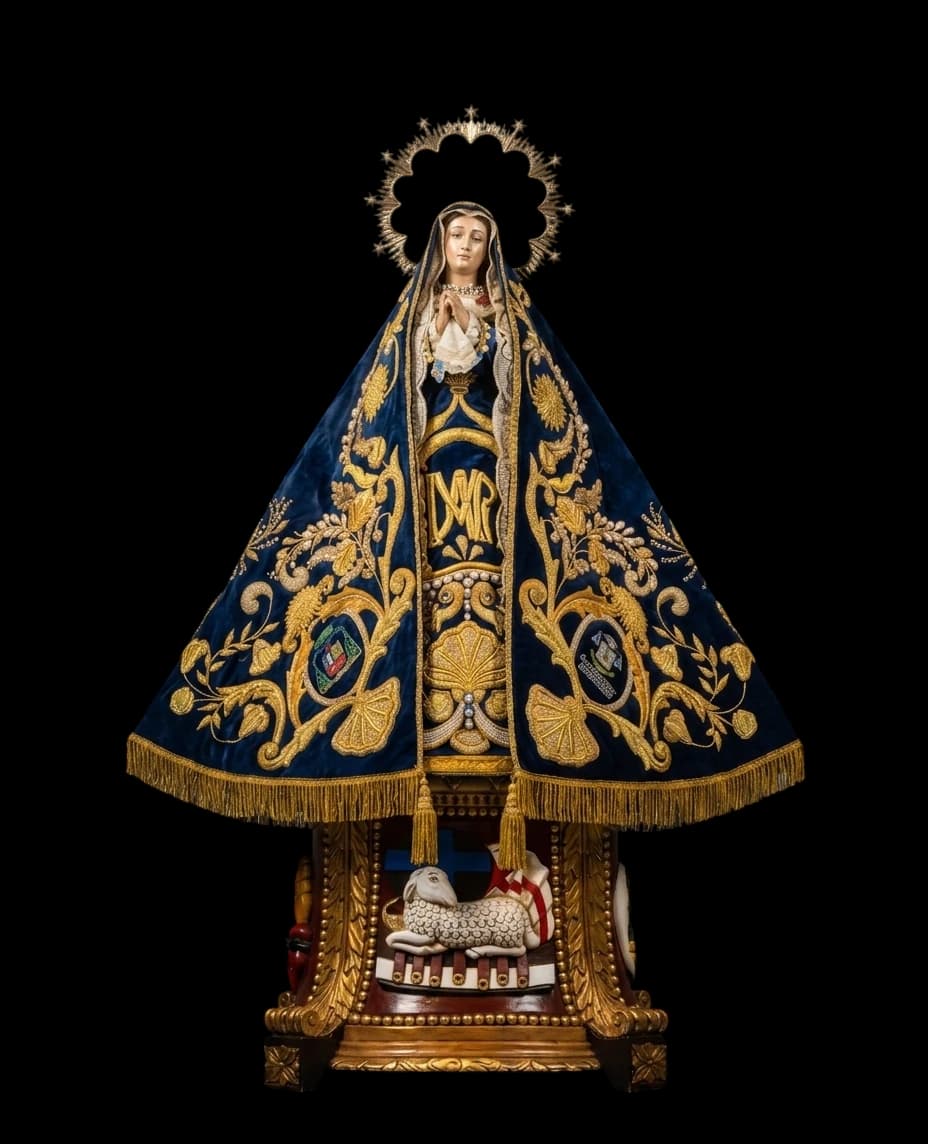
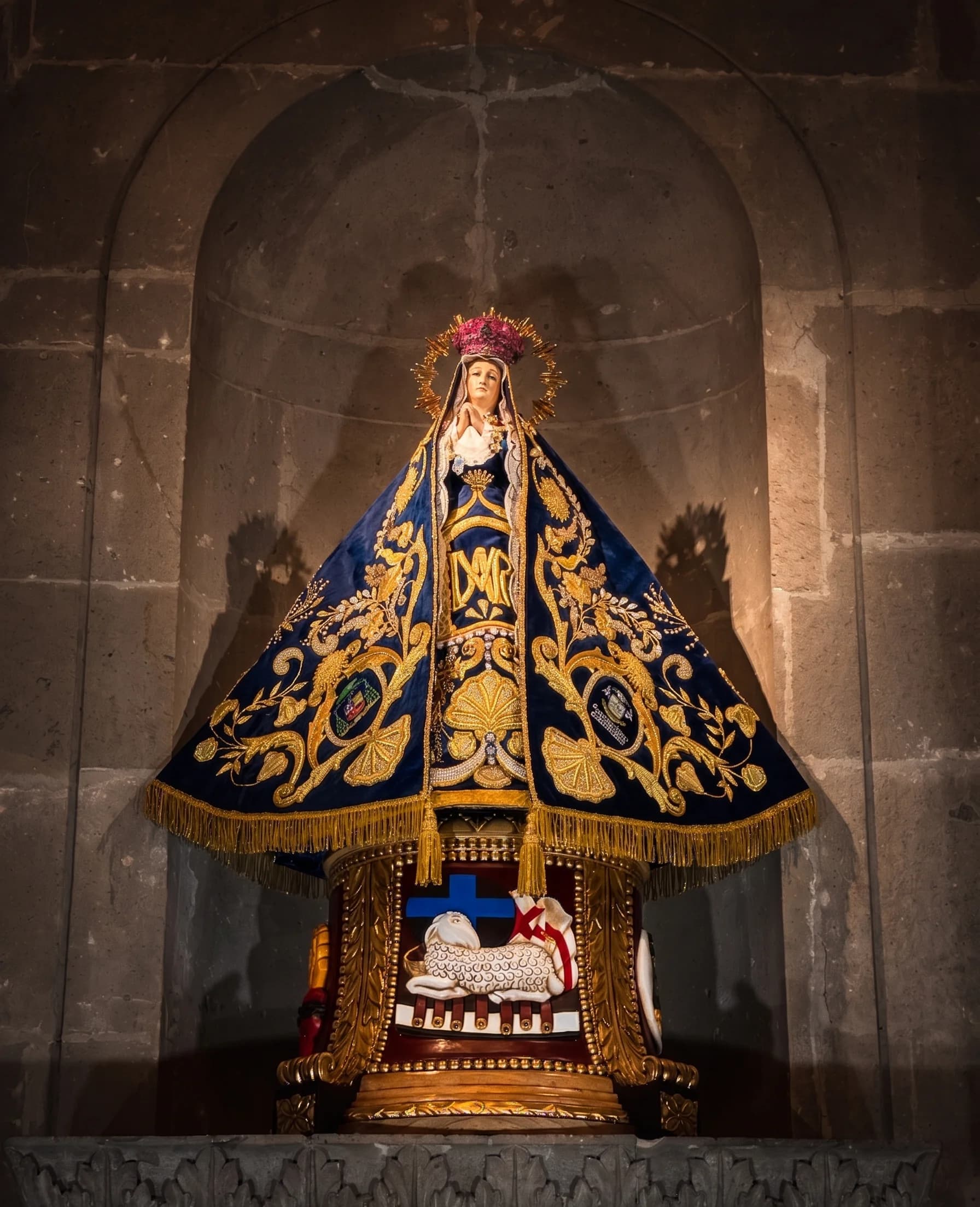
From March 27, 2026, the altar inaugurates a new chapter: the veneration of the Virgin of the Sorrows of Soriano. Her cult was consolidated at the mission of Santo Domingo de Soriano — in present-day Colón, Querétaro — and arrived at the Cathedral of Durango through the X Archbishop of Durango, Monsignor Faustino Armendáriz Jiménez, integrating the popular devotion of central Mexico with the present cathedral splendor of the north.

The Thaumaturge of Querétaro

The Virgin of Soriano is not merely a representation of maternal grief; she is, for her faithful, the intercessor in difficult causes. Her interlaced hands and serene countenance attract thousands of pilgrims who find in her a refuge in the face of tribulations. Her cult, which flourished strongly from the 18th century, found a profound echo in New Vizcaya and northern Mexico.

Curatorial text: Museum of the Cathedral Basilica of Durango · Archdiocese of Durango

Historical research: Historian José Alonso Martínez Barrios

Imagen introductoria
Sacred Architecture

The Altarpiece by La Jara and Medina

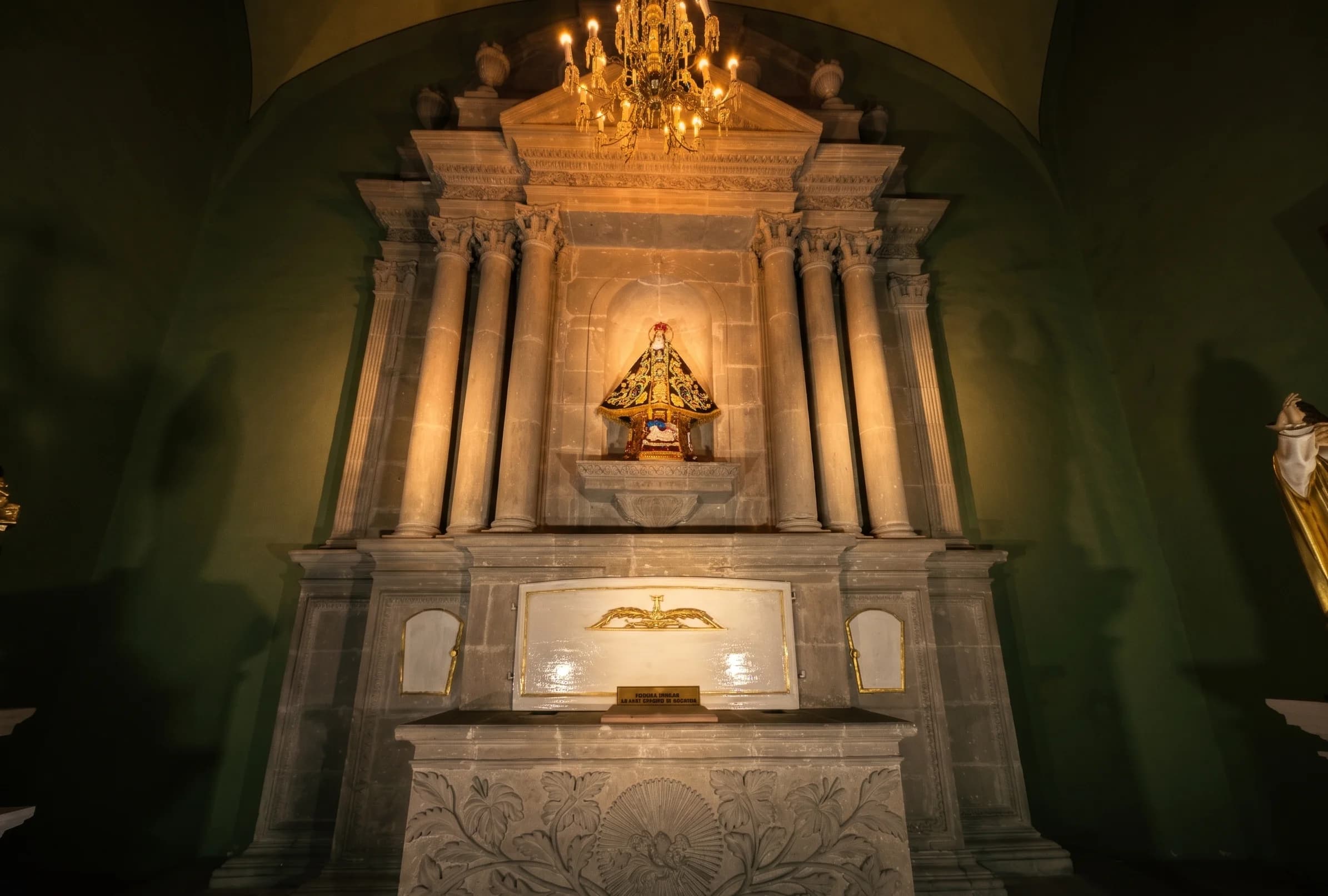
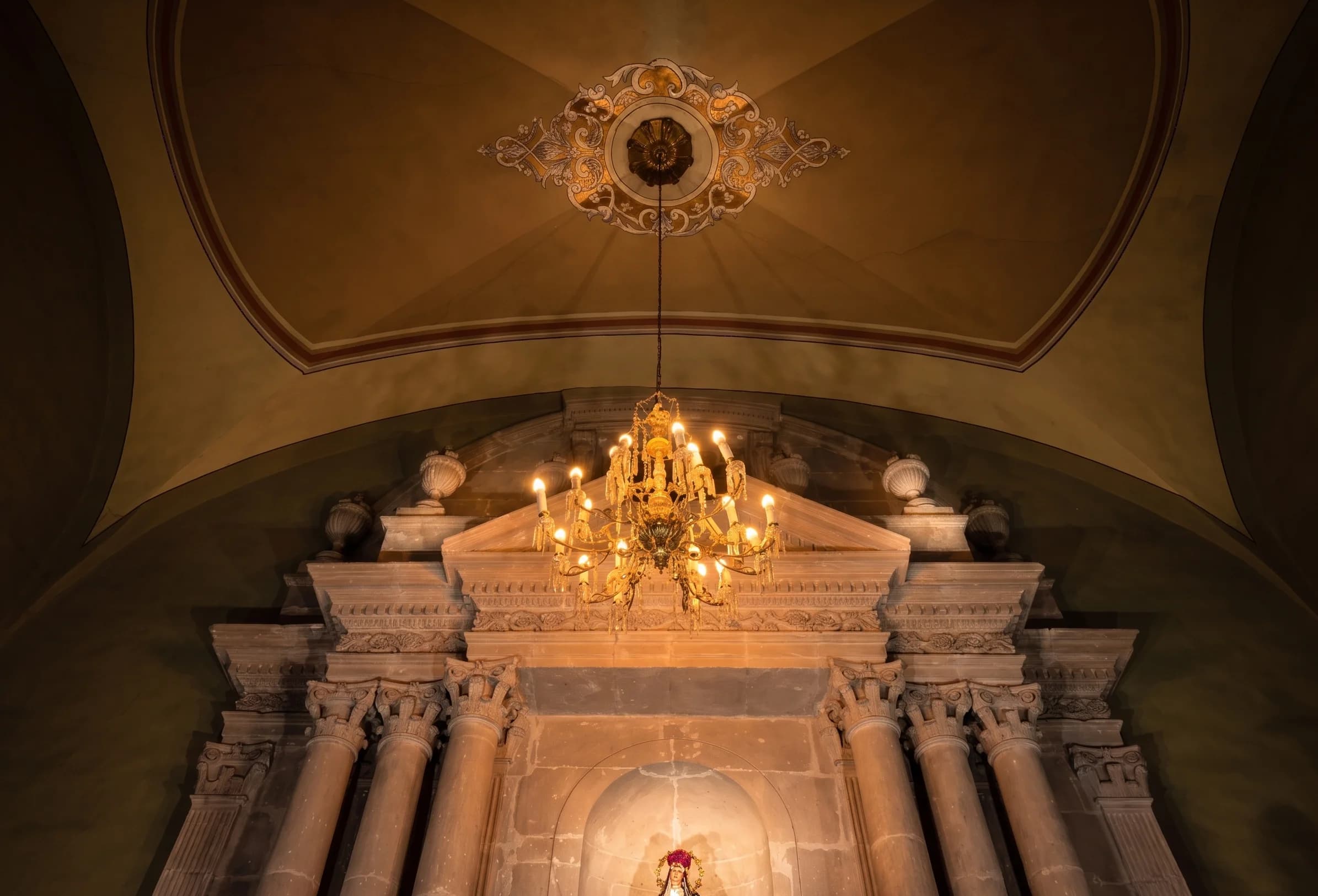
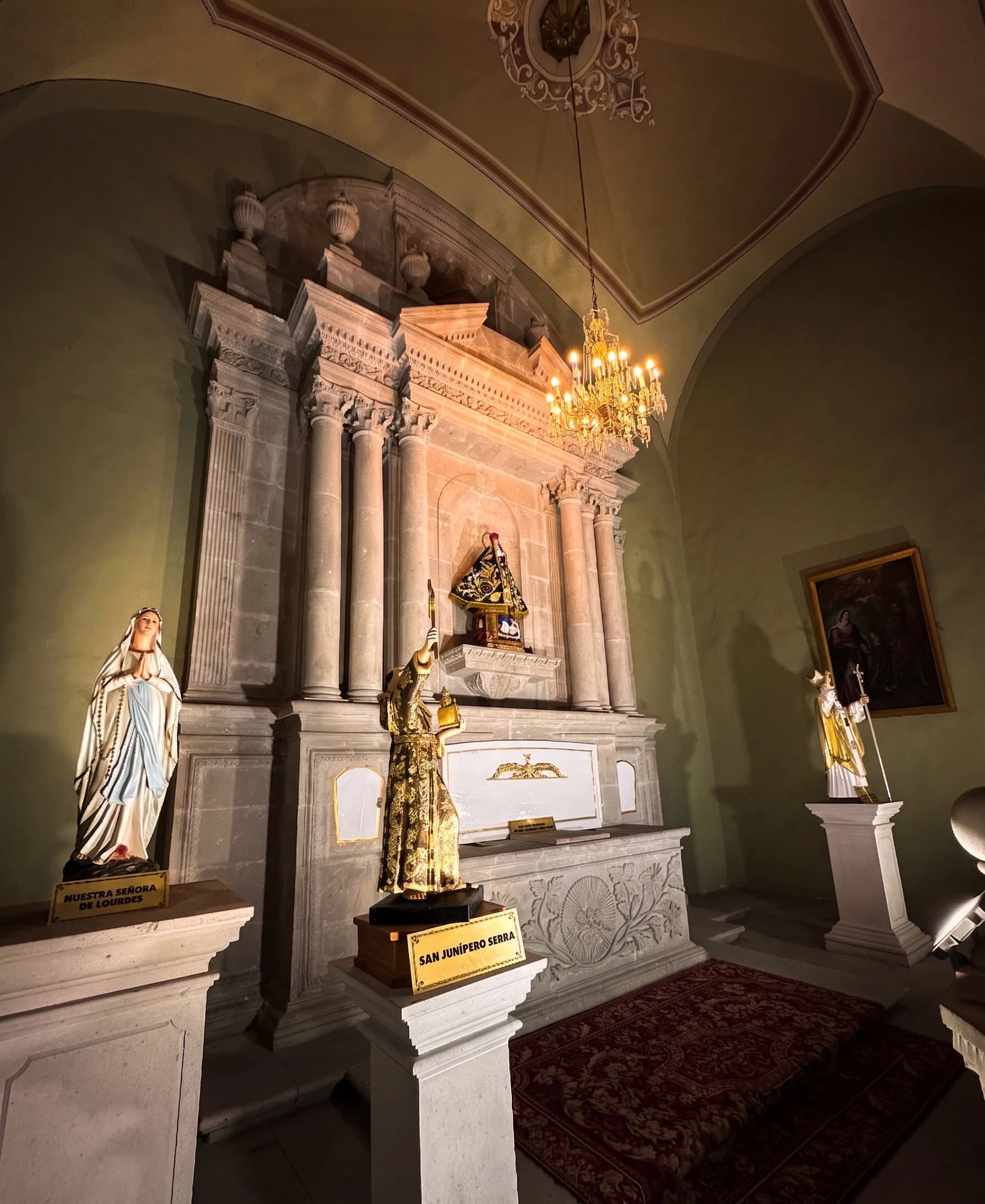
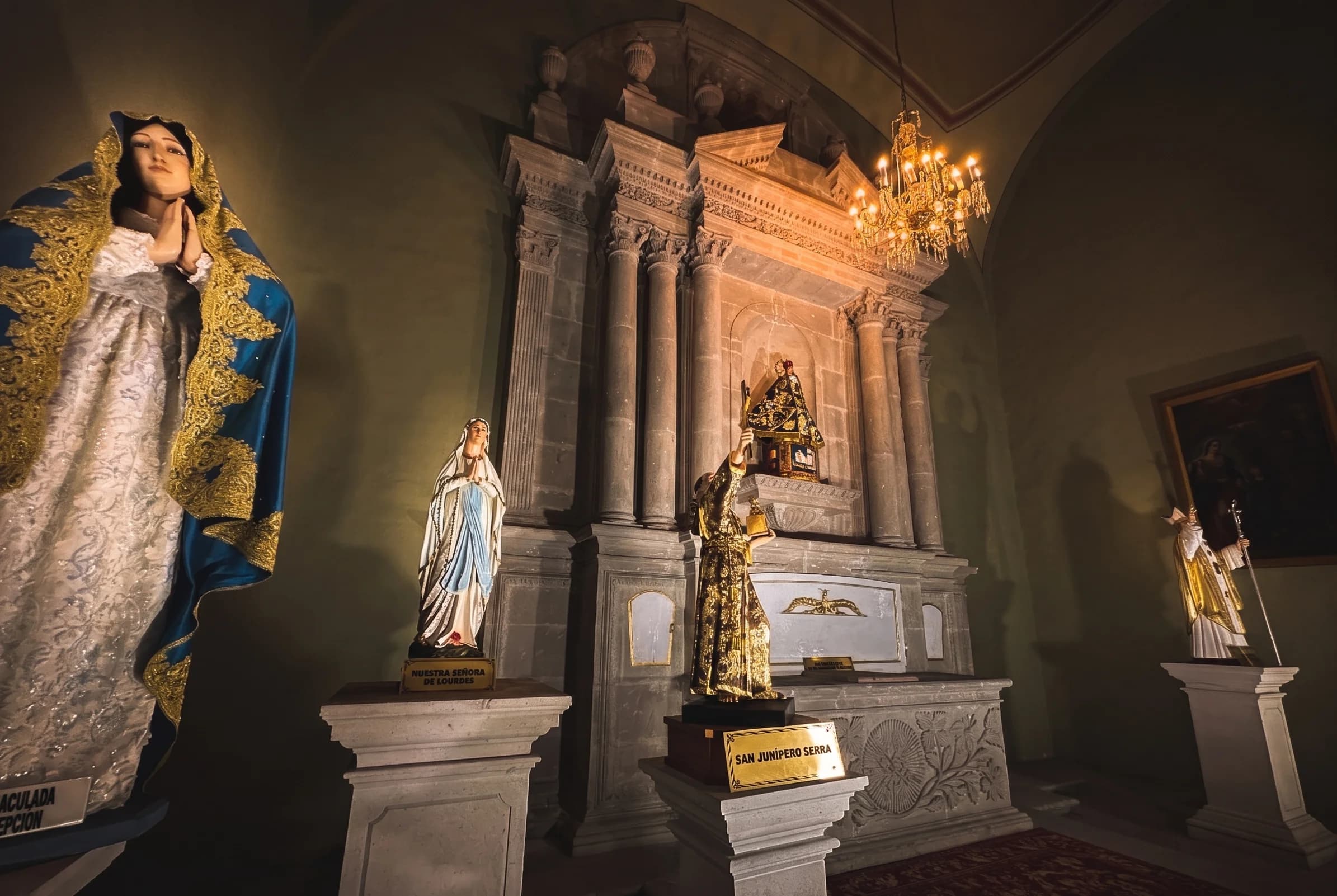
The altarpiece framing the Virgin is a marvel of stone carving, completed in 1844 by masters Cristóbal de la Jara and Agapito Medina. Its hexastyle composition is defined by triads of composite columns that, with solemn verticality, frame the central niche where the image of the Sorrowful Virgin resides.

The fluted pilasters interact with the entablature creating a play of light and shadow that enhances the sobriety of the material. The most singular architectural detail is the open triangular pediment: it allows the natural light of the clerestory to bathe the image of the Virgin with the clarity of the Durango sky, symbolizing the divine light that pierces human sorrow.
Relics

The Sanctuary of Relics

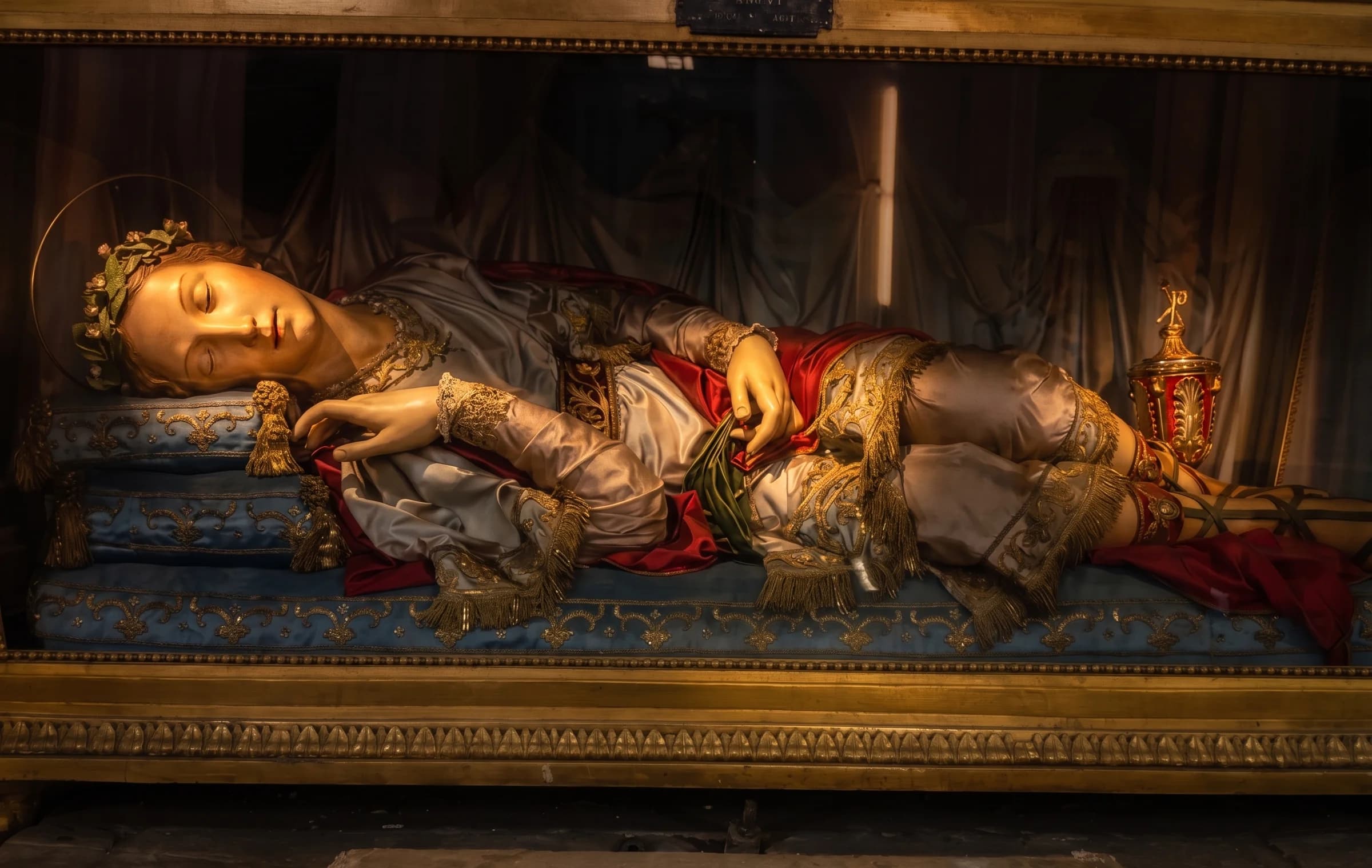
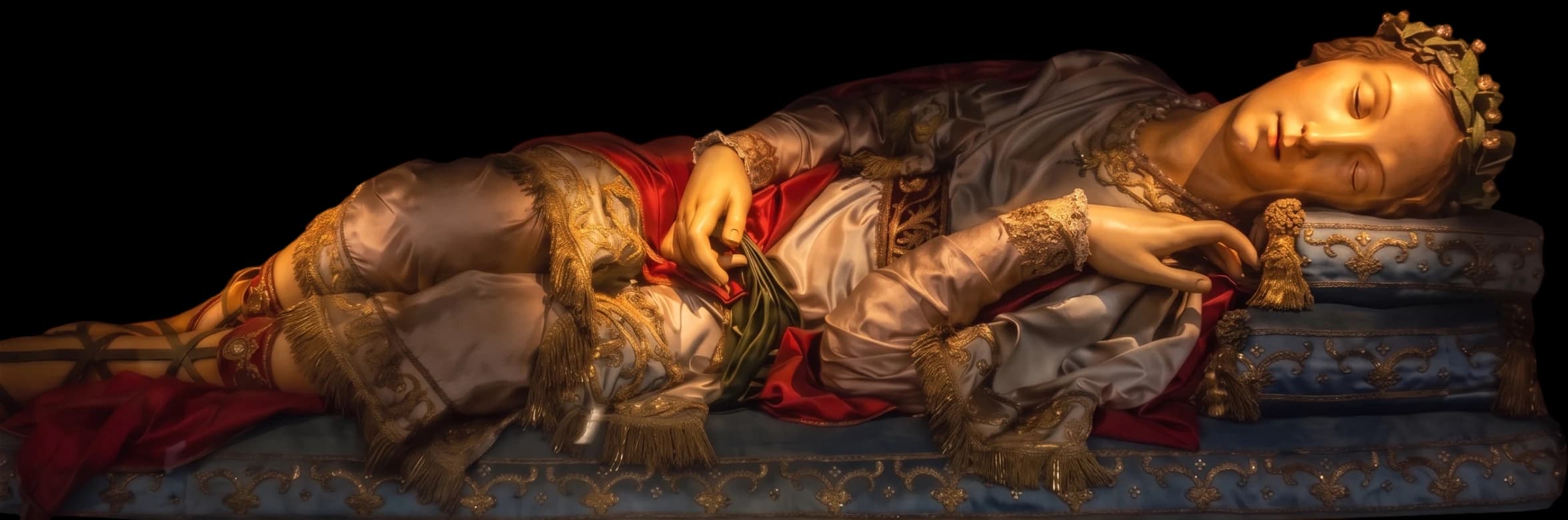
The altar functions as a sanctuary of relics of extraordinary value. The symbols of the Passion, carved in the stone of the altar front, decorate the loving heart of Jesus. In the aedicule above the altar rests a piece of singular mysticism: the reliquary with the remains of Saint Celestina, represented in a wax sculpture sleeping in eternal stillness, accompanied by a lacrimatorium containing the martyr's blood. Beside her, the relic of Saint Placidus. Both pieces are of Italian craftsmanship, testimony to the close bond of the diocese with the Vatican and the tradition of corpisanti that traveled from the Roman catacombs.

Virgin of the Sorrows of Soriano

Saint Celestina · Martyr

Saint Placidus · Relic

Cristóbal de la Jara · Master Stonecutter

Agapito Medina · Master Stonecutter

The Sanctuary of Relics
Devotion and Patronage

VIRGIN
OF SORIANO

The Sorrowful Virgin · Thaumaturge of the North

The image of the Virgin of the Sorrows of Soriano presides over the central niche with interlaced hands and a countenance of serene compassion. Known as the "Thaumaturge of Querétaro," her presence in the Cathedral of Durango represents the continuity of faith in times of change: the altar not only sustains stone and wax, but the collective memory of a devotion that knew how to migrate and adapt, uniting the fervor of central Mexico with the north.

VIRGIN OF SORIANO

The Thaumaturge of Querétaro
VIRGIN OF SORIANO

Gallery

View of the Altarpiece
Open Triangular Pediment
Fluted Pilasters
Saint Celestina
Symbols of the Passion
Central Niche