Estatua
Side Altar

SAINTMATTHEWApostle and Evangelist

Historic guardian of Durango's sacred ground

View in tour
History and Style

From Baptistery to Side Altar

Saint Barbara and the origin of the cult

In this space one of the Cathedral's secondary patronesses was consecrated — Saint Barbara, protectress against lightning and thunderbolts. This devotion exists in this church on account of the lightning strike on the dome in 1682, for which reason the New Spanish society prayed: "Santa Bárbara, maiden fair, free us from lightning in the air."

The altarpiece formerly located in this same space is described in 1822 as a small carved altarpiece, painted in white and gold. At the center was the Virgin of Cacaria or of the Tabernacle, mentioned as having worked prodigious deeds through her intercession during the Tepehuan Revolt.

Foundational Devotion

In Durango, devotion to Saint Matthew is foundational. Before the current building was elevated to Cathedral status, the space it now occupies was the seat of the first church of the settlement, built in 1570 by priest Francisco de Espinoza. That modest temple, placed under the patronage of the Apostle, was the spiritual heart of the first settlers and missionaries, establishing Saint Matthew as the historic guardian of Durango's sacred ground.

Curatorial text: Museum of the Cathedral Basilica of Durango · Archdiocese of Durango

Historical research: Historian José Alonso Martínez Barrios

Imagen introductoria
Sacred Architecture

Anatomy of the Side Altar

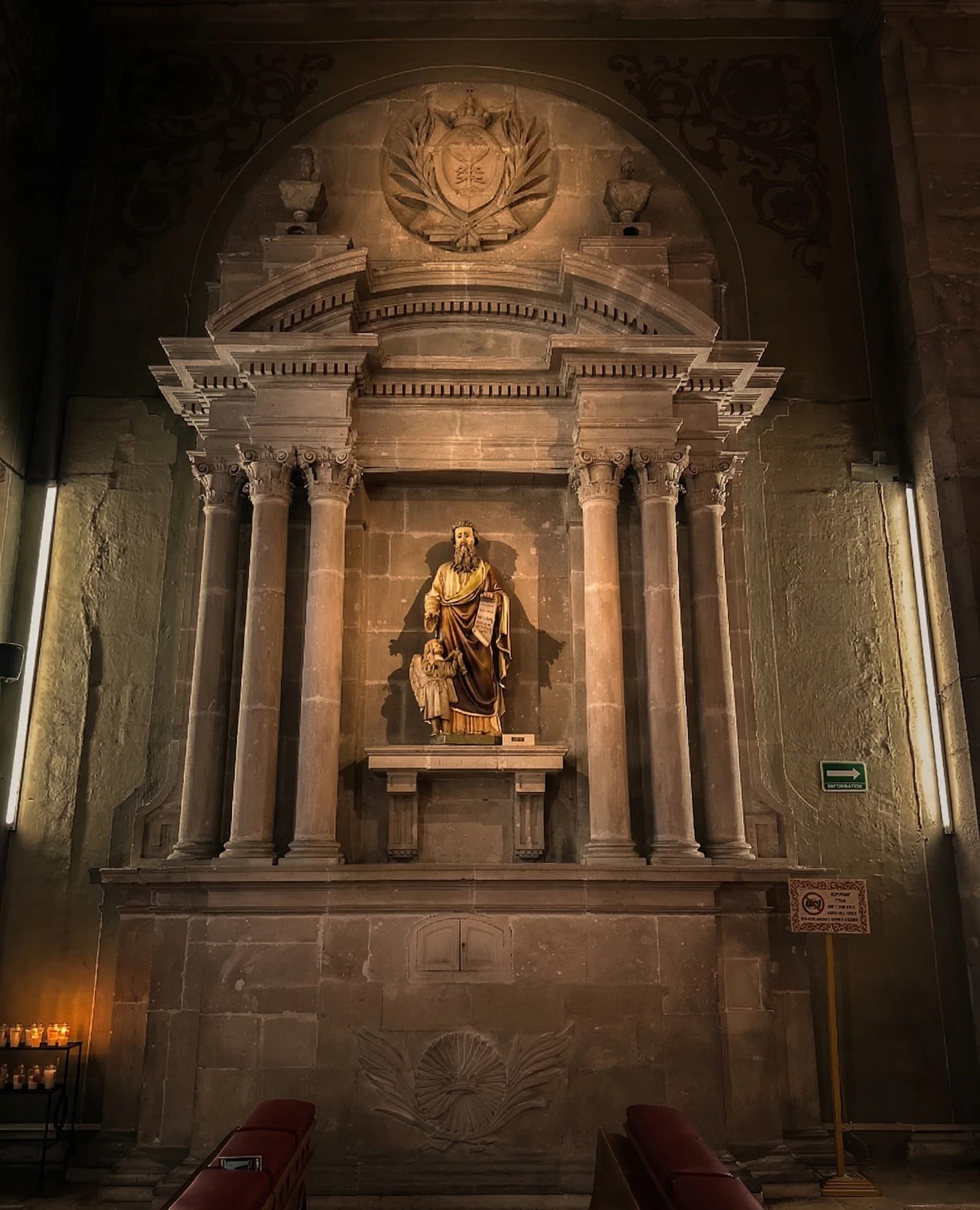
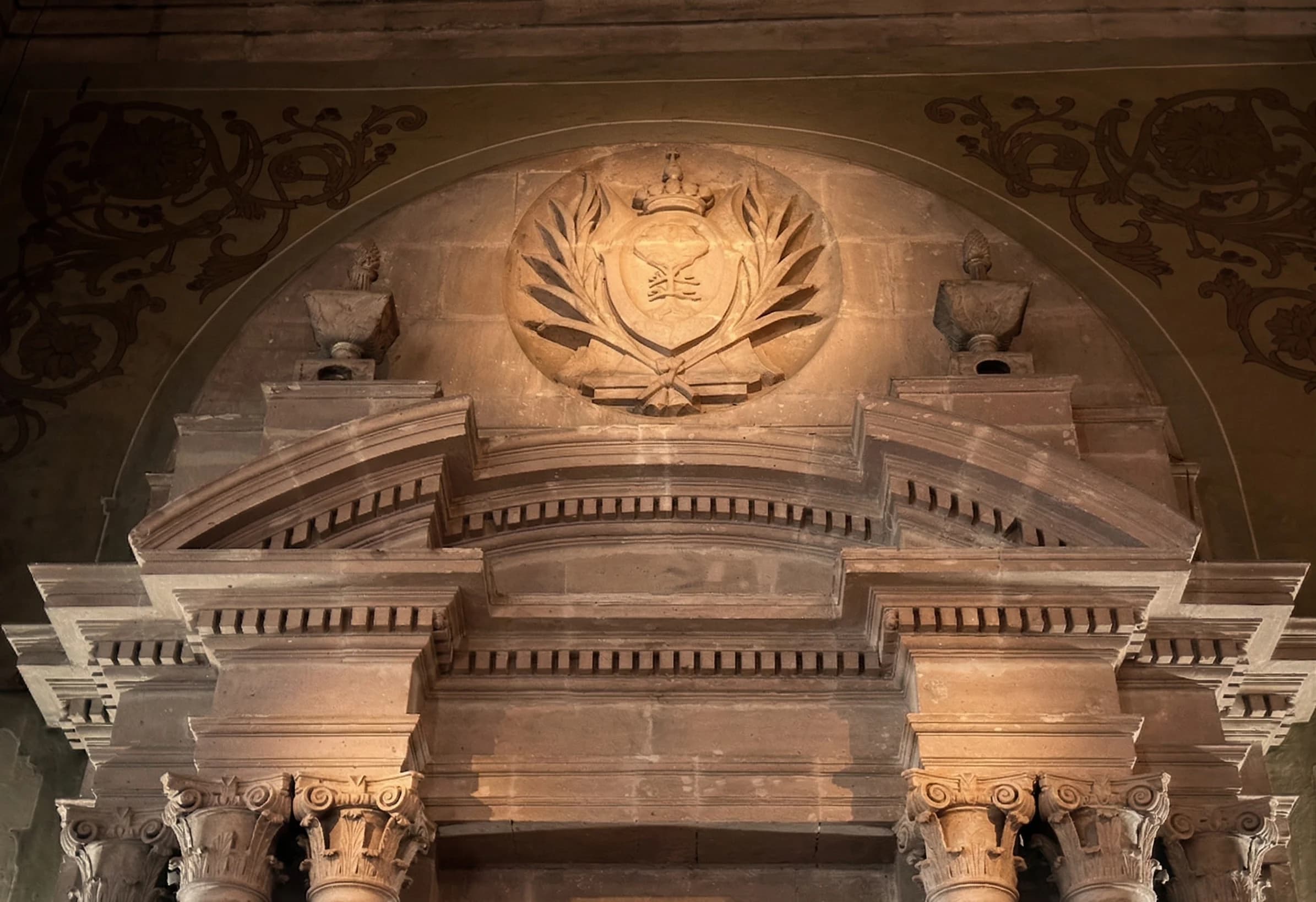
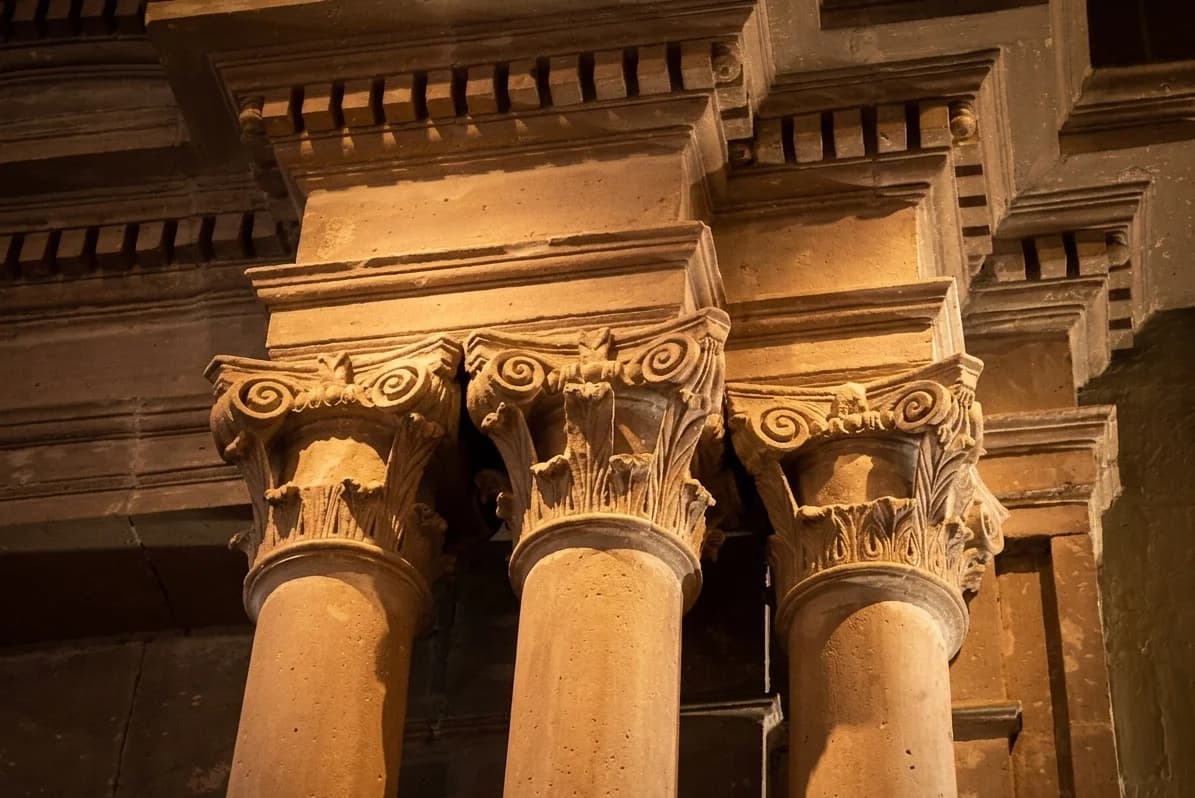
The side altar attached to the wall is a piece of elegant sobriety where the mastery of Durango's stonecutters is evident. Its style shows an eclectic predominance with a marked inclination toward neoclassicism, reflecting the transition of artistic tastes that sought clarity and mathematical proportion.

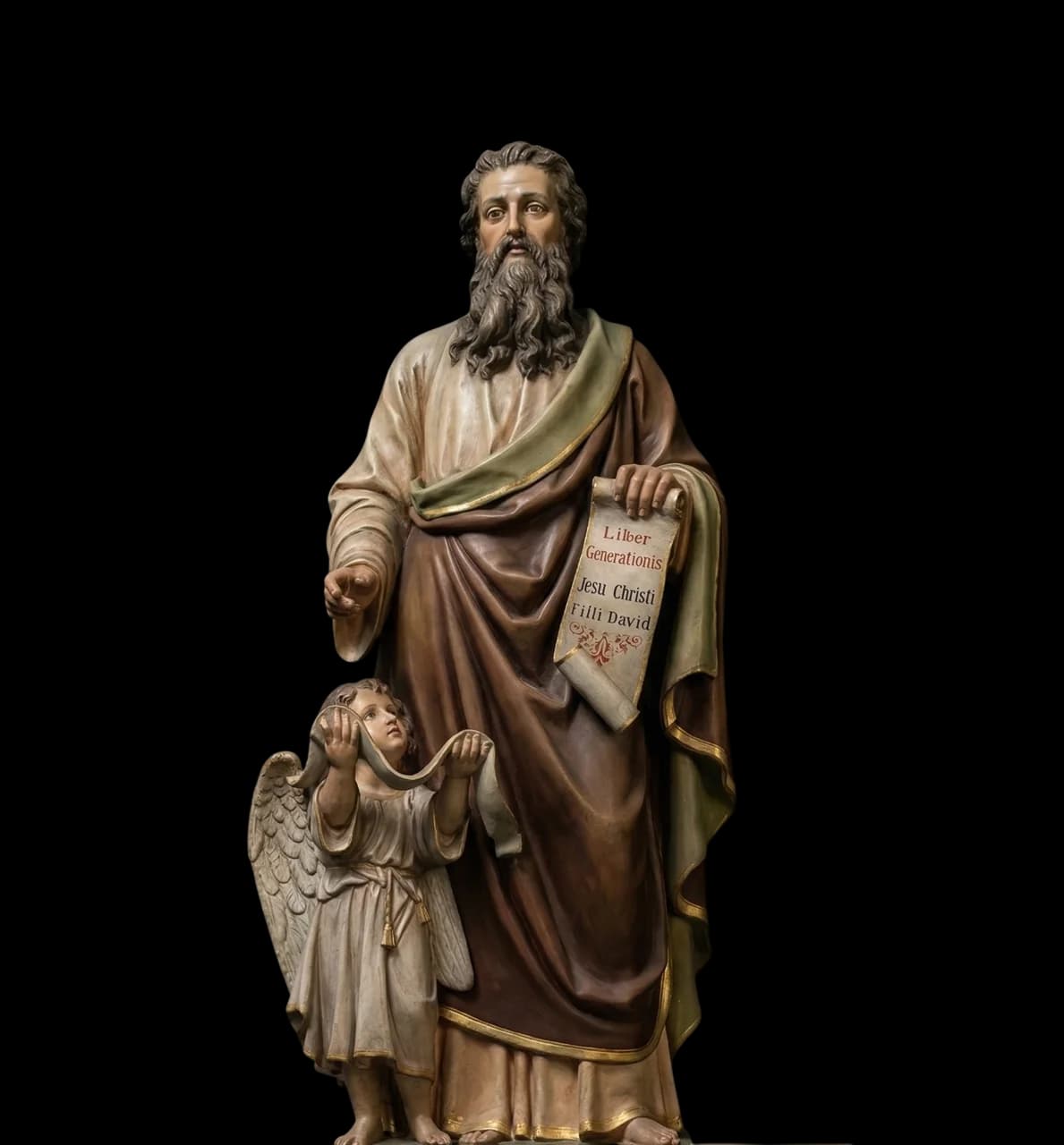
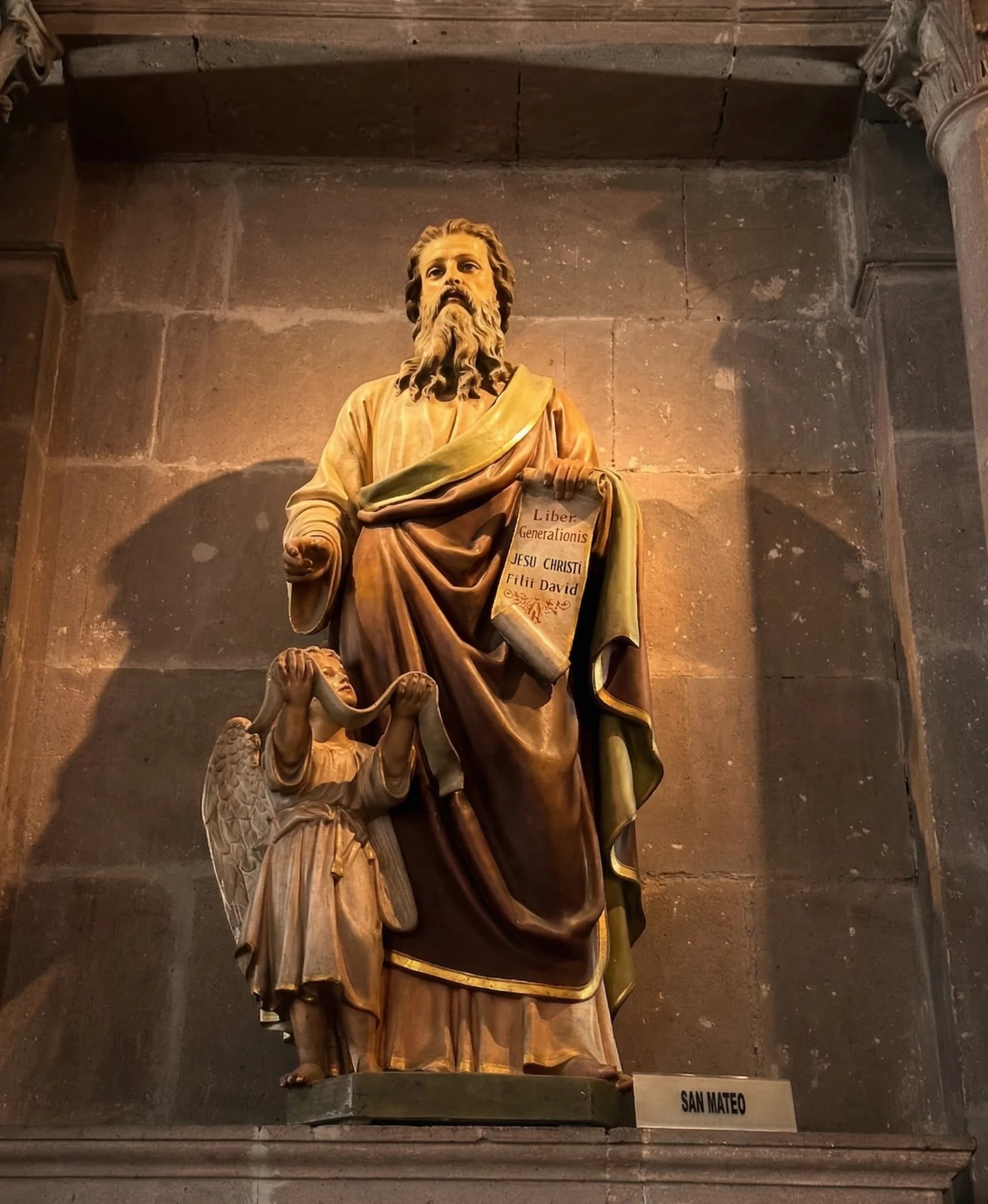
The entire ensemble rests on a robust pedestal serving as the base for six smooth-shafted columns. These columns authoritatively flank the central niche housing the wooden image of Saint Matthew, making it the absolute focal point. Thanks to their arrangement, the entablature acquires a stepped dynamism: a plain frieze for visual clarity and a dentated cornice of rhythmic and classical texture.

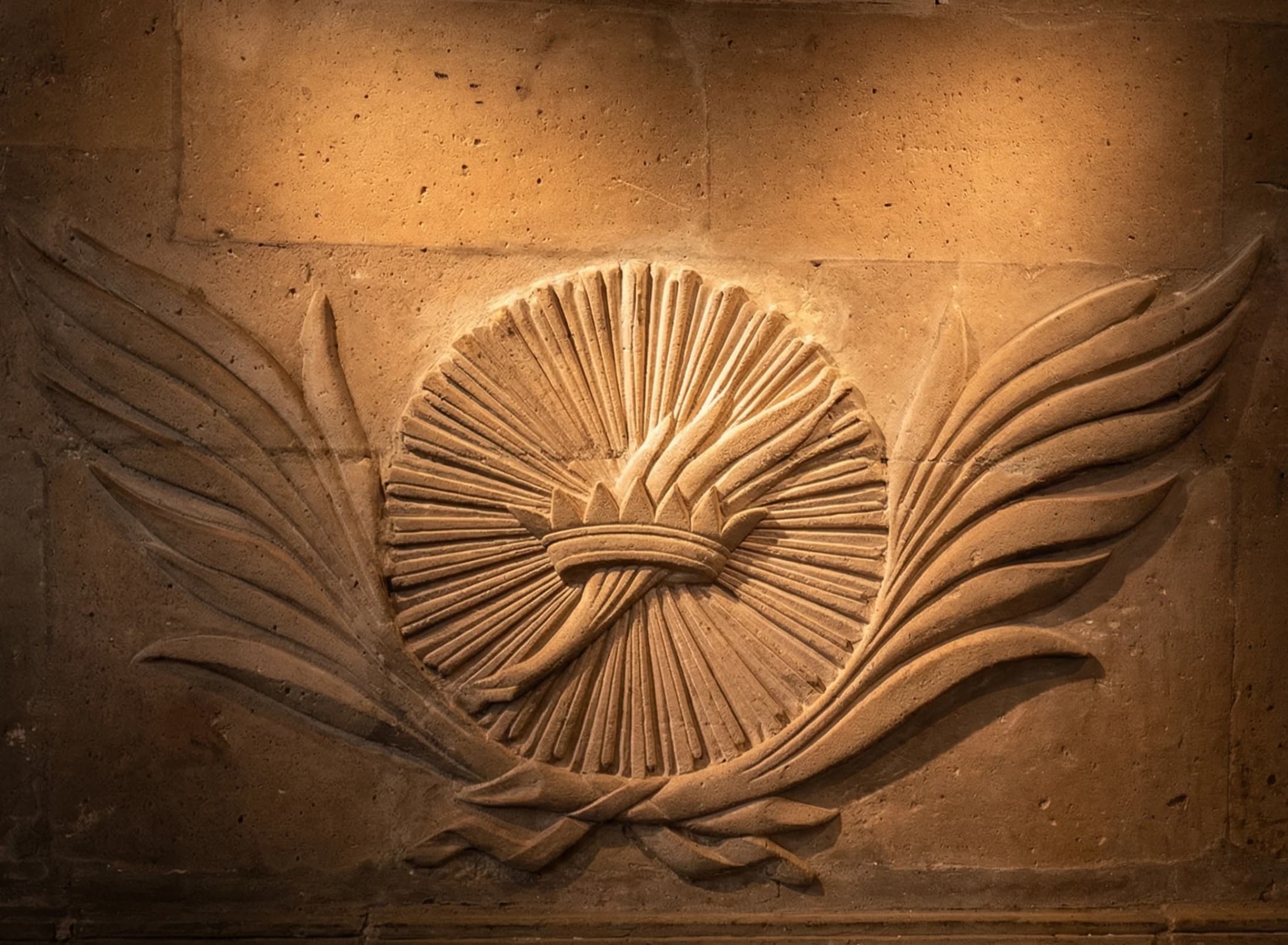
The altar culminates with a closed circular pediment, an architectural solution that encloses the composition with harmony. At the top, two urns flank the center where the heraldic coat of arms of the city of Durango is masterfully carved in quarry stone.
Relics

The Relics Consecrated in 1652

One of the most significant milestones in the history of the temple occurred on November 3, 1652. In a ceremony of profound solemnity, Bishop Francisco de Quintanilla Evia y Valdéz carried out the consecration of the Cathedral's main altar, depositing illustrious relics beneath the altar stone:

Saint Matthew the Apostle: Consolidating his physical presence in the former church that began under his name before being elevated to a Cathedral.
Saint Placidus: Formerly Eustace, called Placidus by Jesus himself. A Roman martyr in the time of Emperor Trajan II.
Saint Innocent Martyr: Whose sacrifice for the early faith was added to the spiritual treasury of the diocese.

This deposit directly linked the Church of Durango to the apostolic tradition and the testimony of the martyrs, elevating its status within the viceroyalty.
Devotion and Patronage

SAINT
MATTHEW

The Apostle and Evangelist

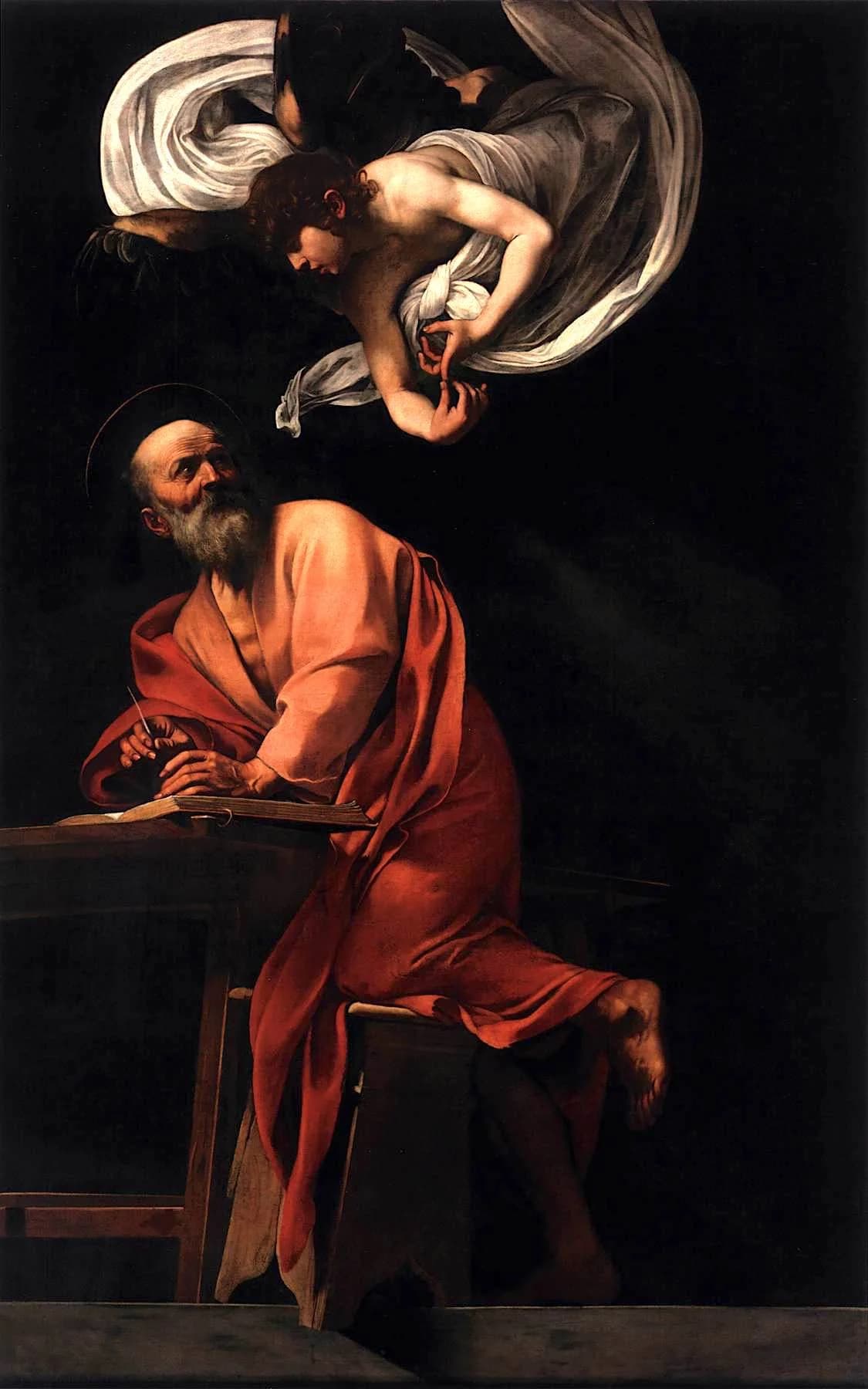
Saint Matthew is remembered by Christian tradition as the tax collector who abandoned revenue collection to follow Jesus, becoming the author of the first Gospel. His transformation from tax gatherer to privileged witness of the Messiah makes him a symbol of the radical conversion the Gospel demands.

The Altar of Saint Matthew is a bridge between the foundational past of 1570 and the institutional consolidation of the Cathedral. The presence of the relics consecrated by Bishop Quintanilla and the nobility of the carved quarry stone make this side altar a testimony of identity: a space where civil history, represented in the city's coat of arms, and sacred history, represented in the Apostle, merge into a single expression of art and devotion.

SAINT MATTHEW

Apostle and Evangelist
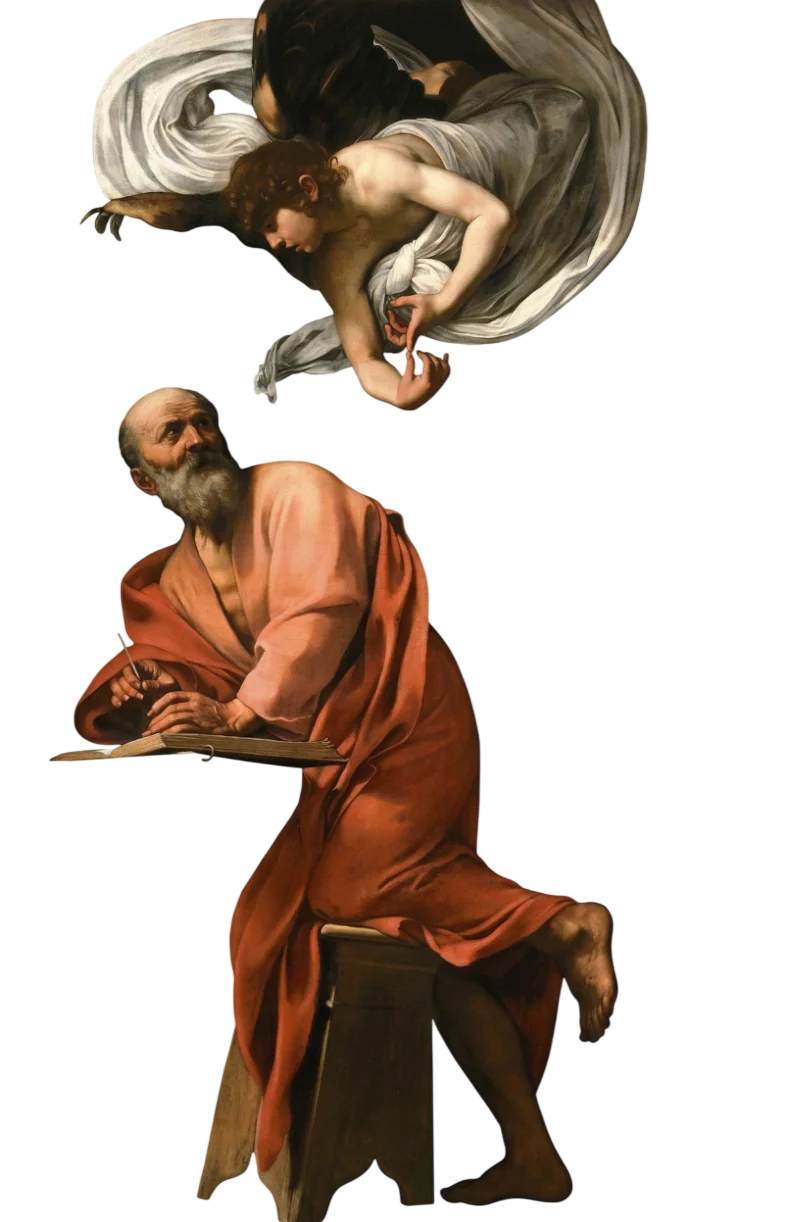
SAINT MATTHEW

Gallery

Side Altar of Saint Matthew
Baptistery and Chapel
Carved Quarry Stone
Central Niche
Coat of Arms of Durango