Altar

OUR LADYOF GUADALUPE

Cathedral Basilica of Durango
View in tour
History

From Baptistery to Sanctuary

The Guadalupan origin of Durango

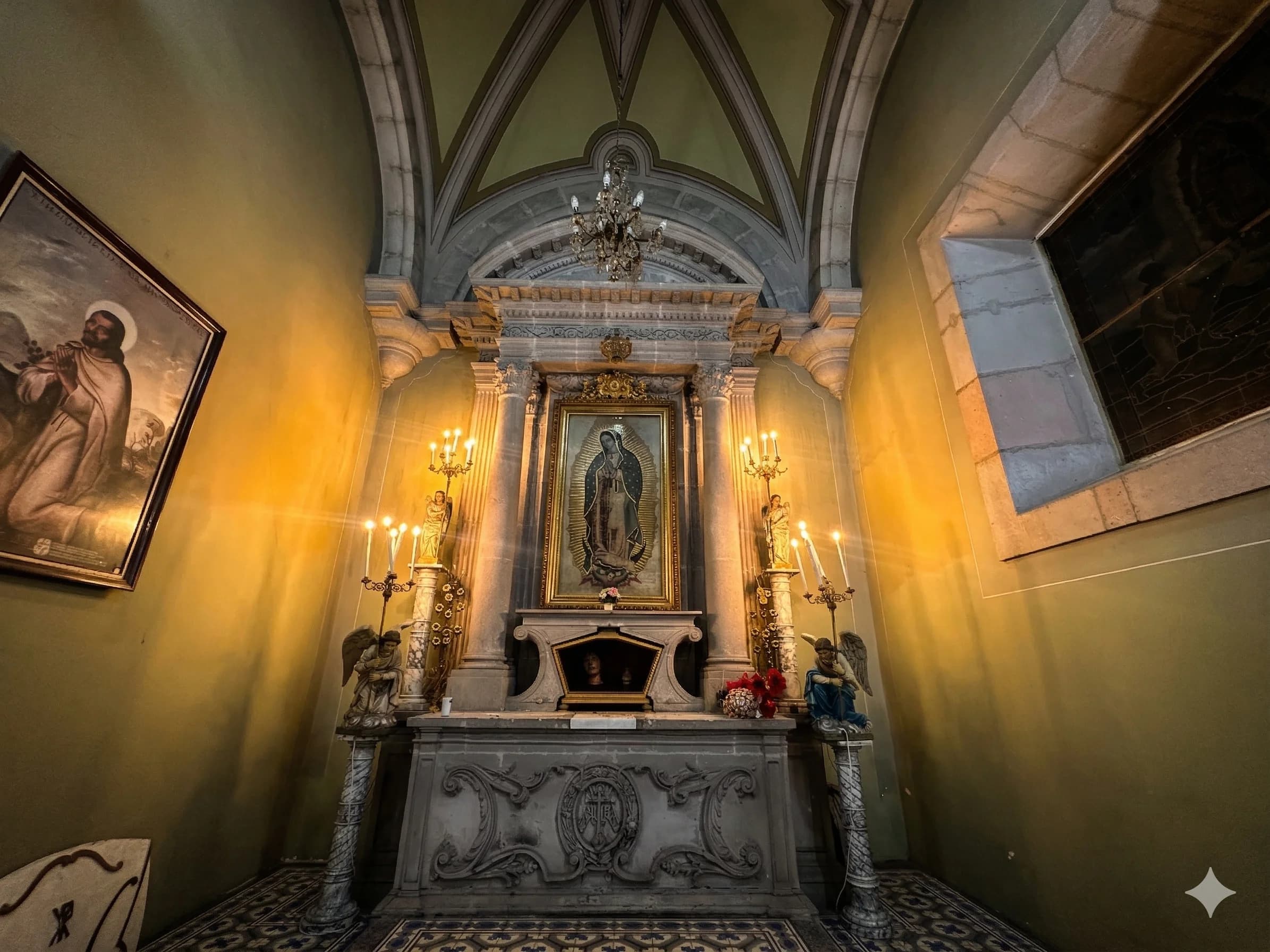
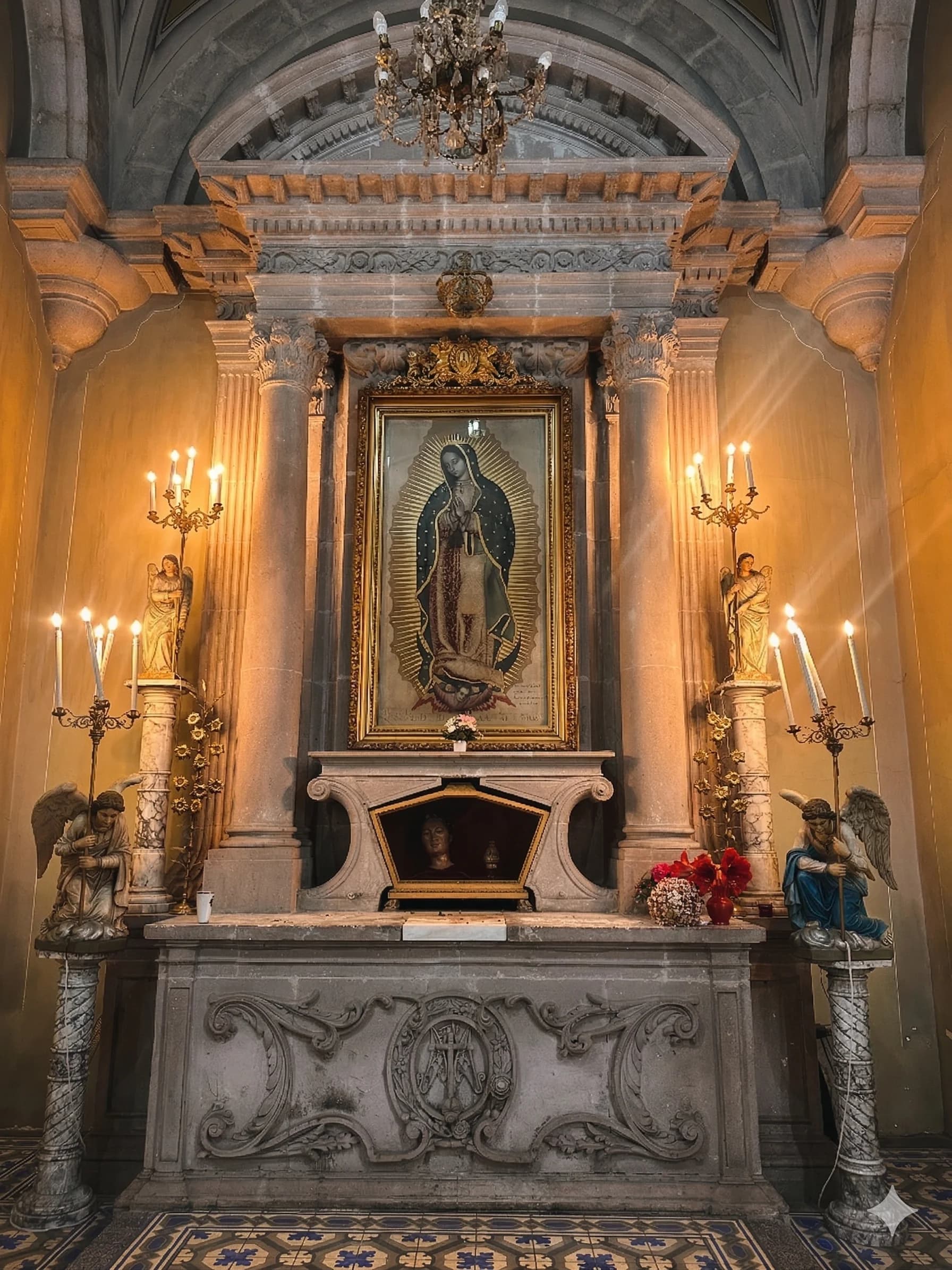
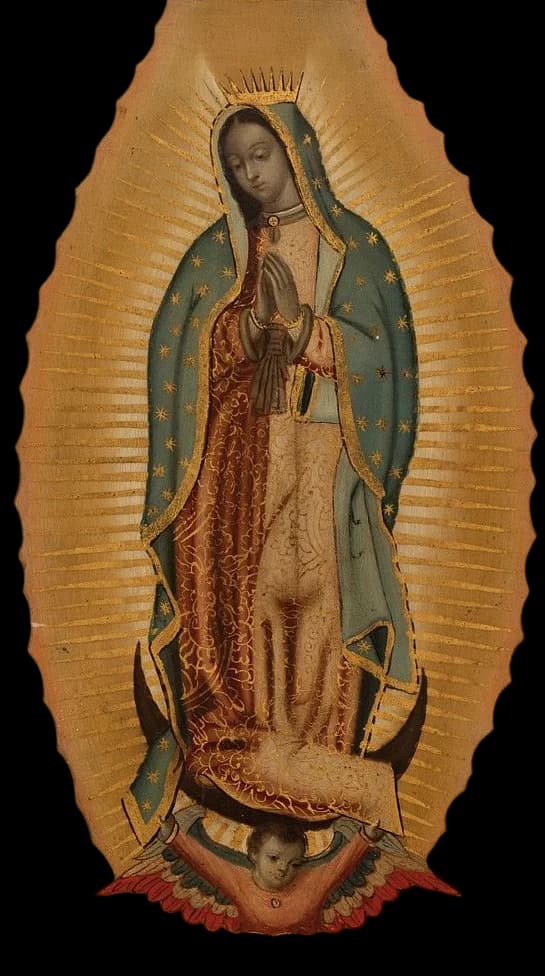
This space, corresponding to the west cube of the bell tower, served as a baptistery. Since the 1822 inventory it has been described as a small chapel dedicated to the Virgin of Guadalupe, a quarry stone side altar, carved and gilded over. At the center was the painting of the Virgin with a gilded frame, realized by Andrés López in 1813; it is a painting touched from the original out of devotion by Don José Ignacio Yarto, Ensign of the army.

Devotion to Our Lady of Guadalupe has been, since the 16th century, the guiding thread of Mexico's spiritual identity. In the northern part of the country, specifically in the city of Victoria de Durango, this veneration found a profound and monumental echo within its Cathedral Basilica Minor.

"...a side altarpiece of stone, carved and gilded over"

— Cathedral Inventory, 1822

Curatorial text: Museum of the Cathedral Basilica of Durango · Archdiocese of Durango
Historical research: Historian José Alonso Martínez Barrios

Imagen de Nuestra Señora de Guadalupe

The Altar of the Virgin

Our Lady of Guadalupe

The Altar of the Virgin
Drag to reveal
Neoclassical Architecture · 1817

Anatomy of a Neoclassical Altar

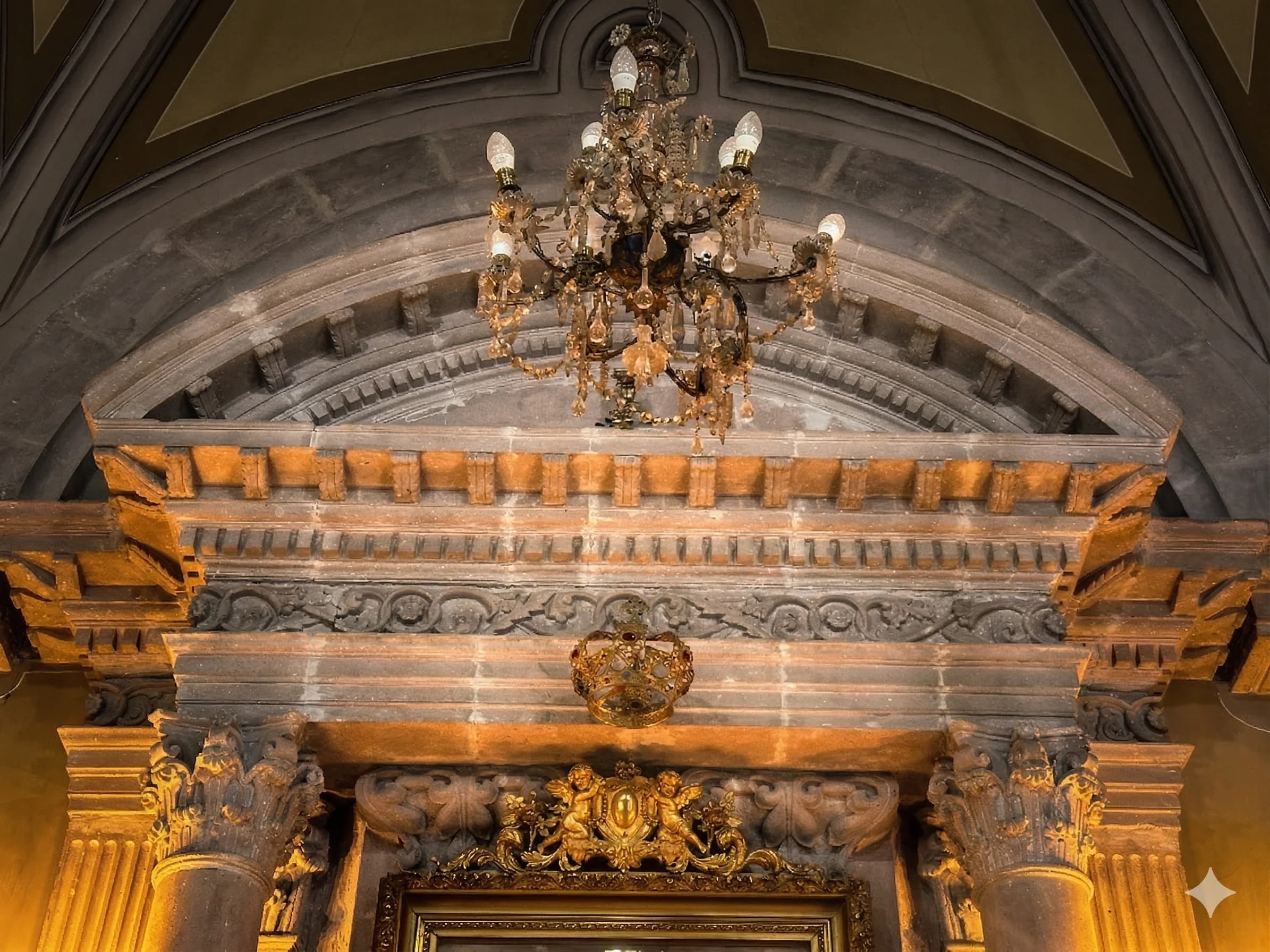
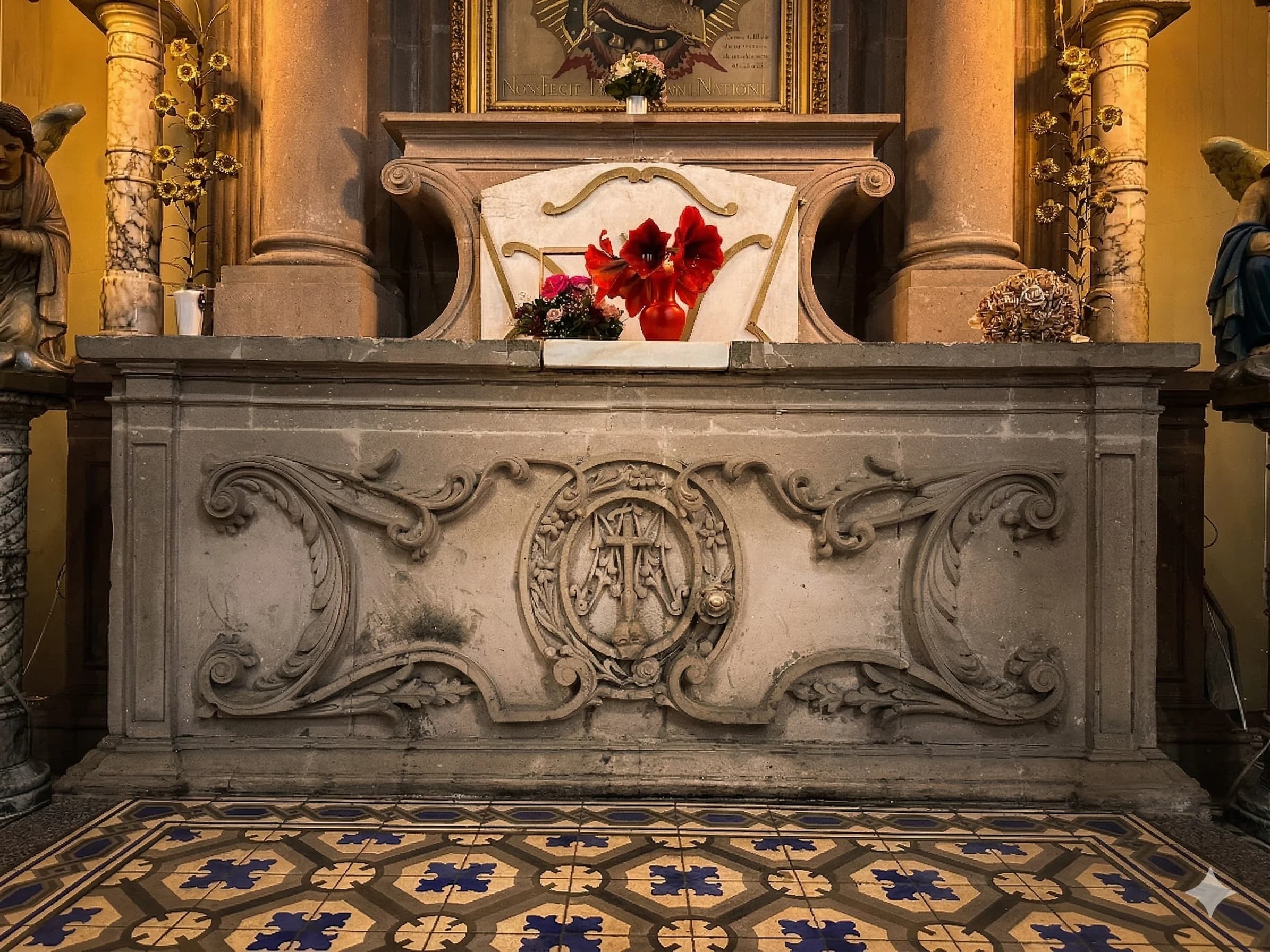
The altar is located in an architectural setting of breathtaking beauty. The apse is covered by a star vault, whose ribs interweave creating a geometry that evokes celestial perfection. Beneath this structure stands the neoclassical style altar, characterized by its sobriety, order, and elegance.

This altar was consecrated on October 10, 1817 by Bishop and Marquis Juan Francisco de Castañiza. The structure is distinguished by the use of white quarry stone, a material that imparts unique luminosity and purity to the ensemble.

Freestanding columns and pilasters

Provide verticality and visual rhythm to the ensemble

Entablature with circular pediment

Classical crowning element that tops the composition with balance

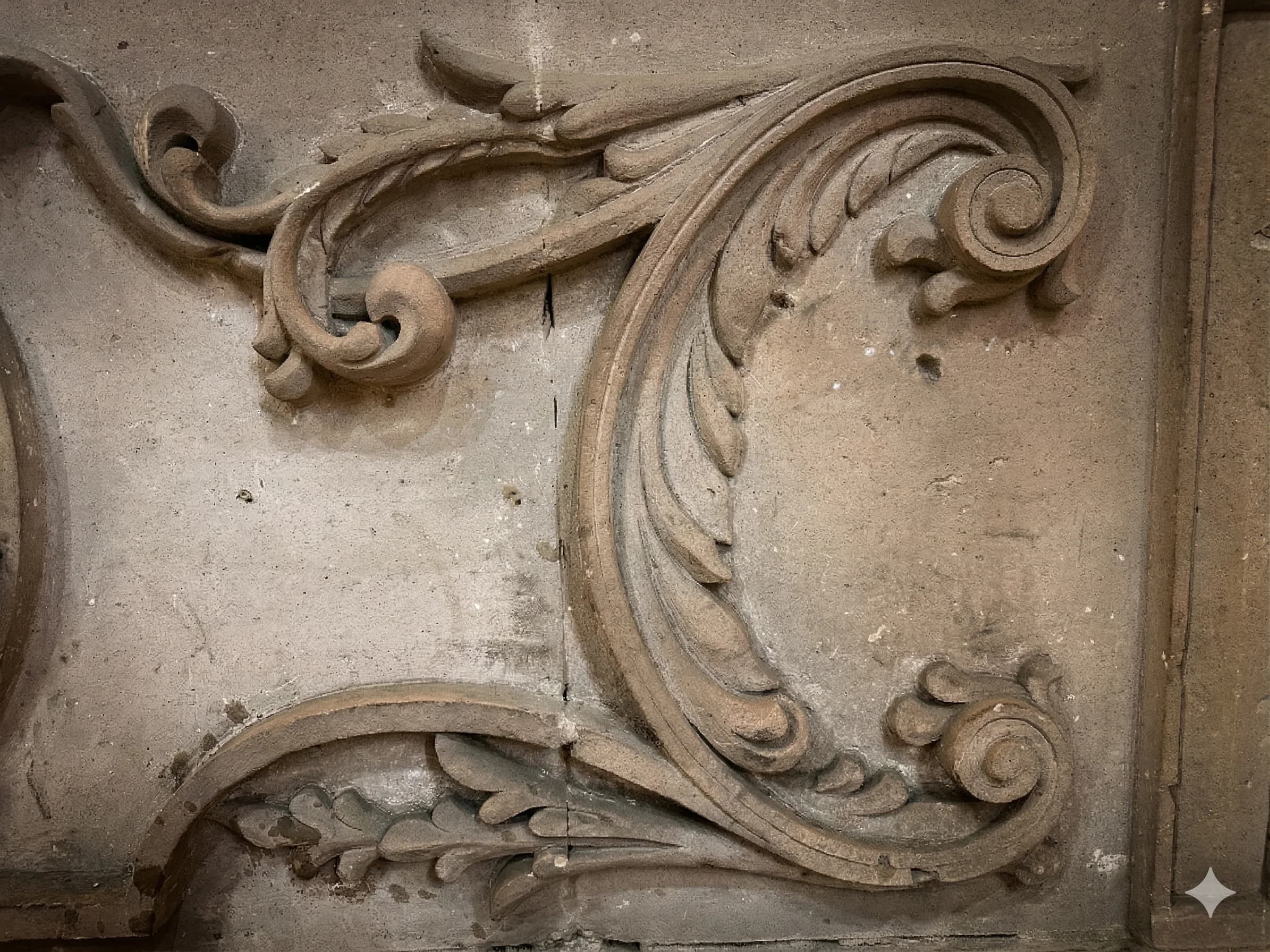
Carved relief imbrication work

Frames the Sacred Heart of Jesus Christ and the Cross

Marian Monogram

Surrounded by frames of flowers, roses, and four-petaled blossoms

Select an element to see the detail

Relics and Memory

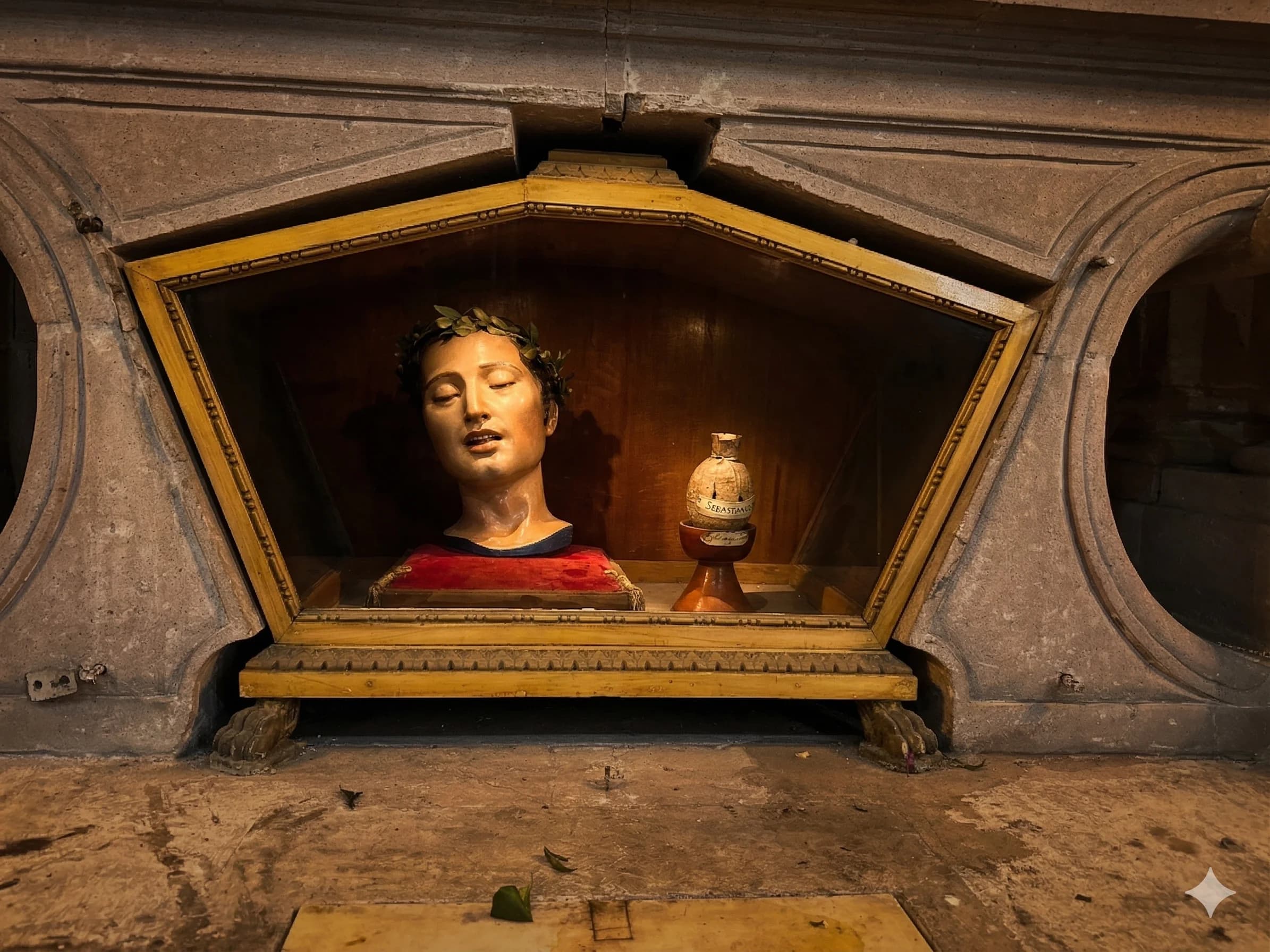
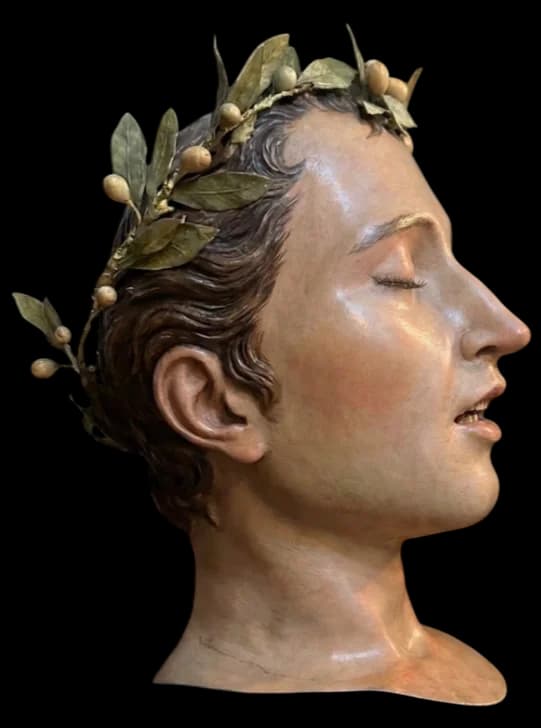
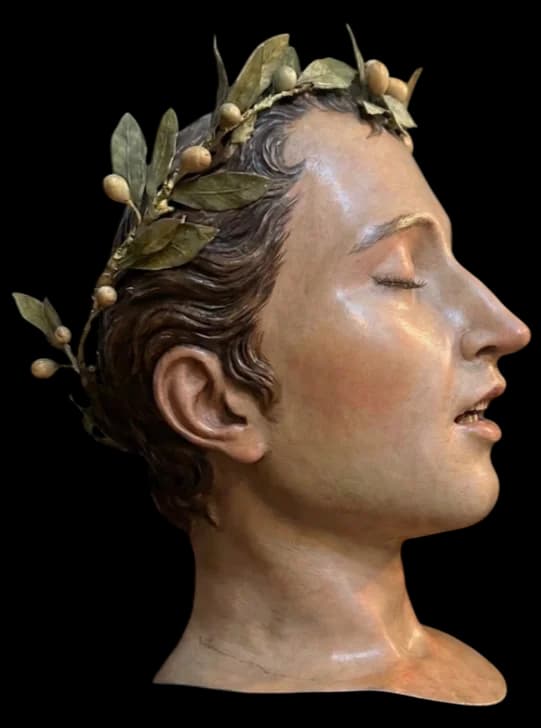
The Skull of Saint Longinus

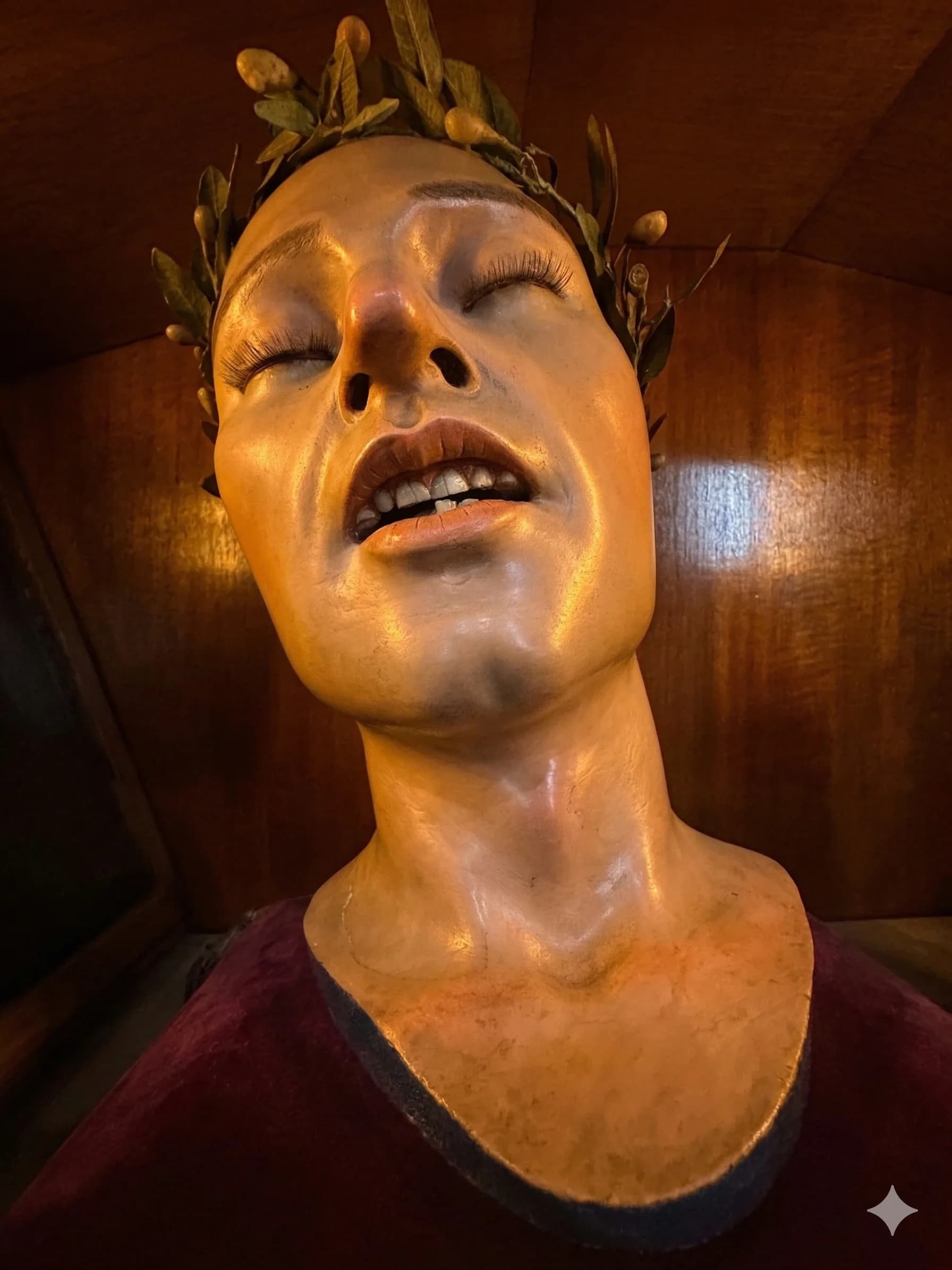
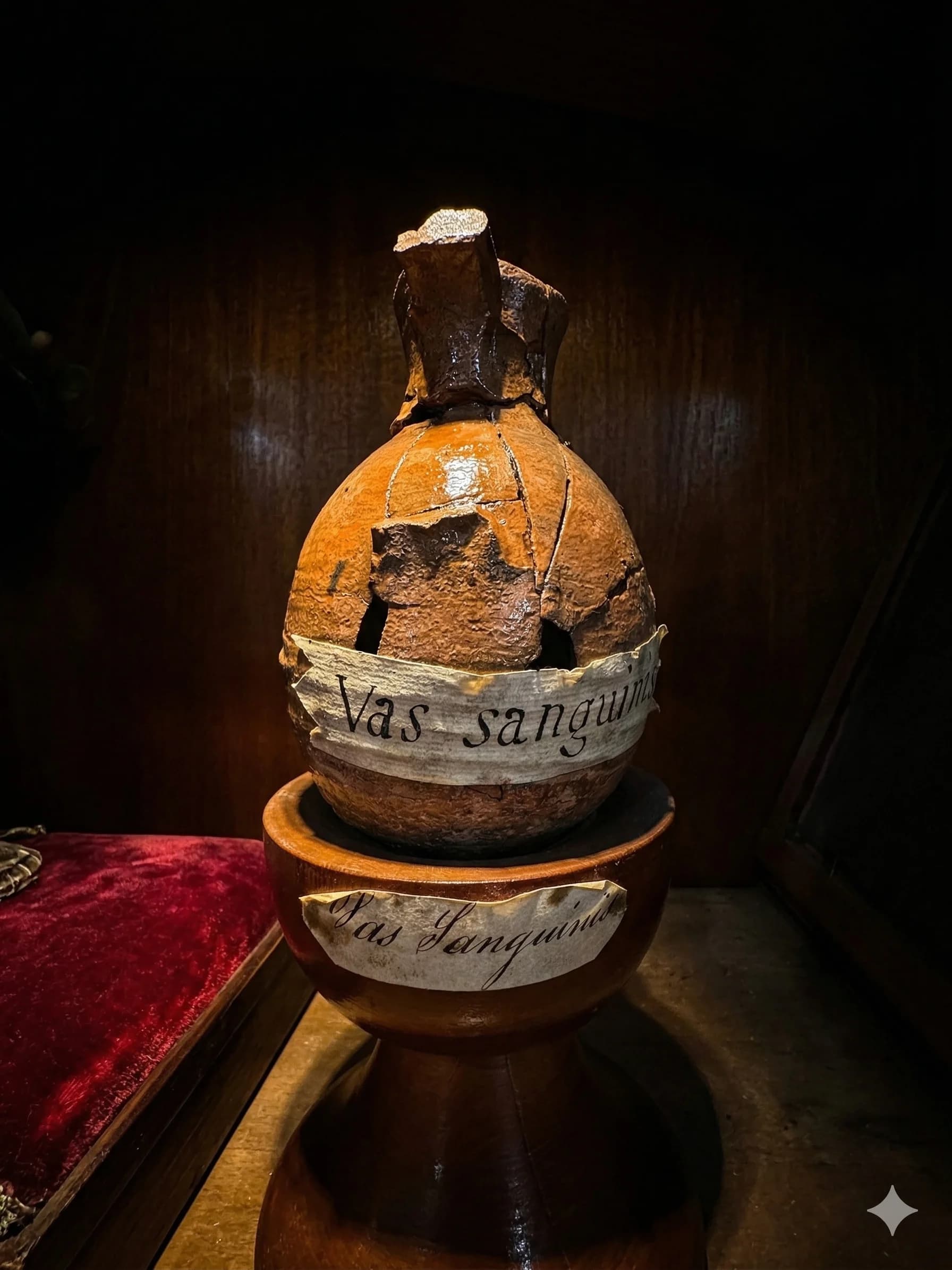
One of the most fascinating particularities of this altar is the presence of an illustrious relic housed in its aedicule. It is the skull of Saint Longinus, the Roman centurion who, according to tradition, pierced the side of Christ with his lance. This relic is enshrined in a delicate wax sculptural work, an artistic practice common at the time to preserve and dignify the bone remains of martyrs.

Conservation technique

Ceroplasty is an artistic technique that involves creating wax sculptures to preserve and dignify relics. It allows the faithful a tangible connection with the origins of Christianity.

Place of Eternal Rest

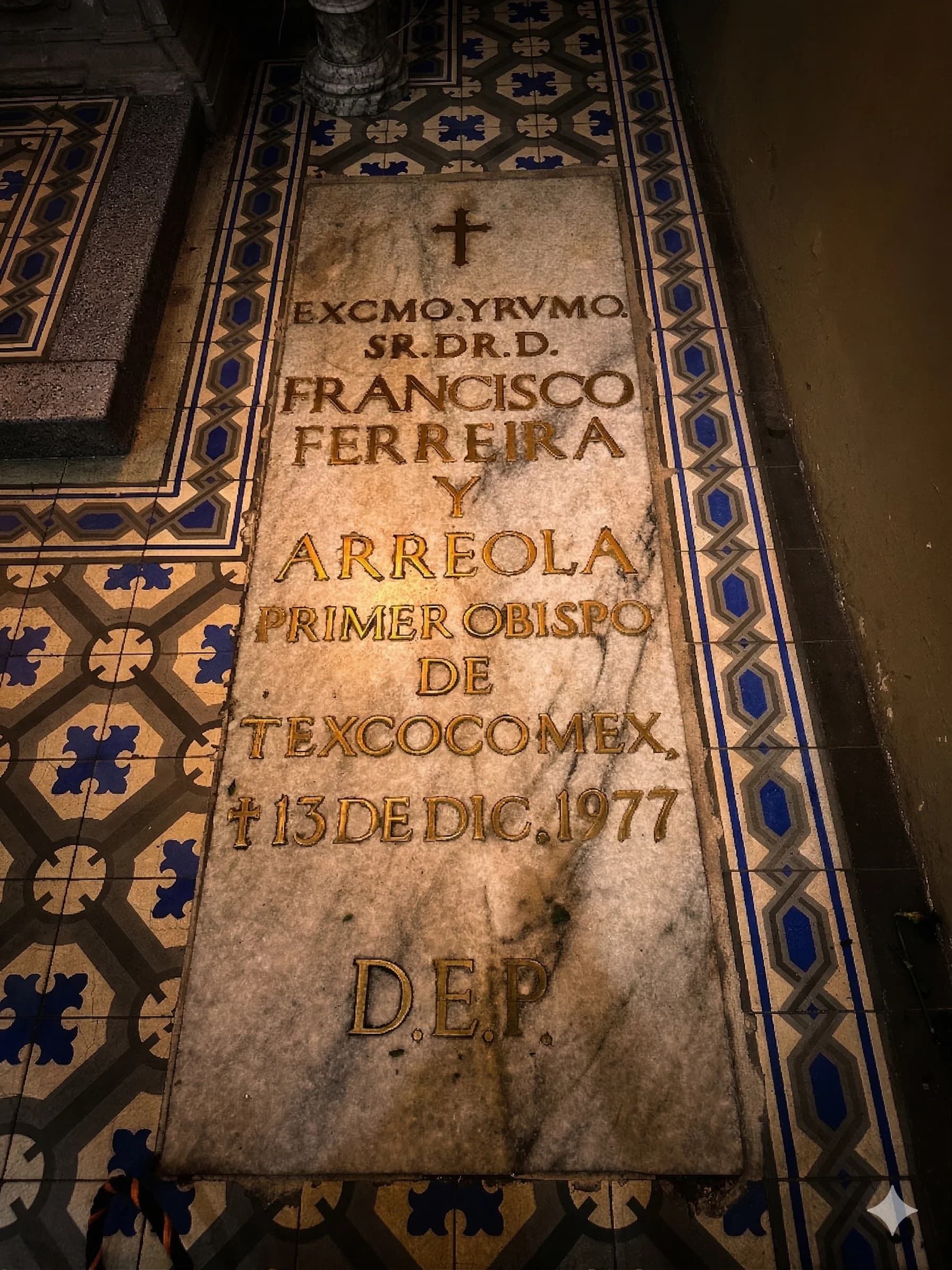
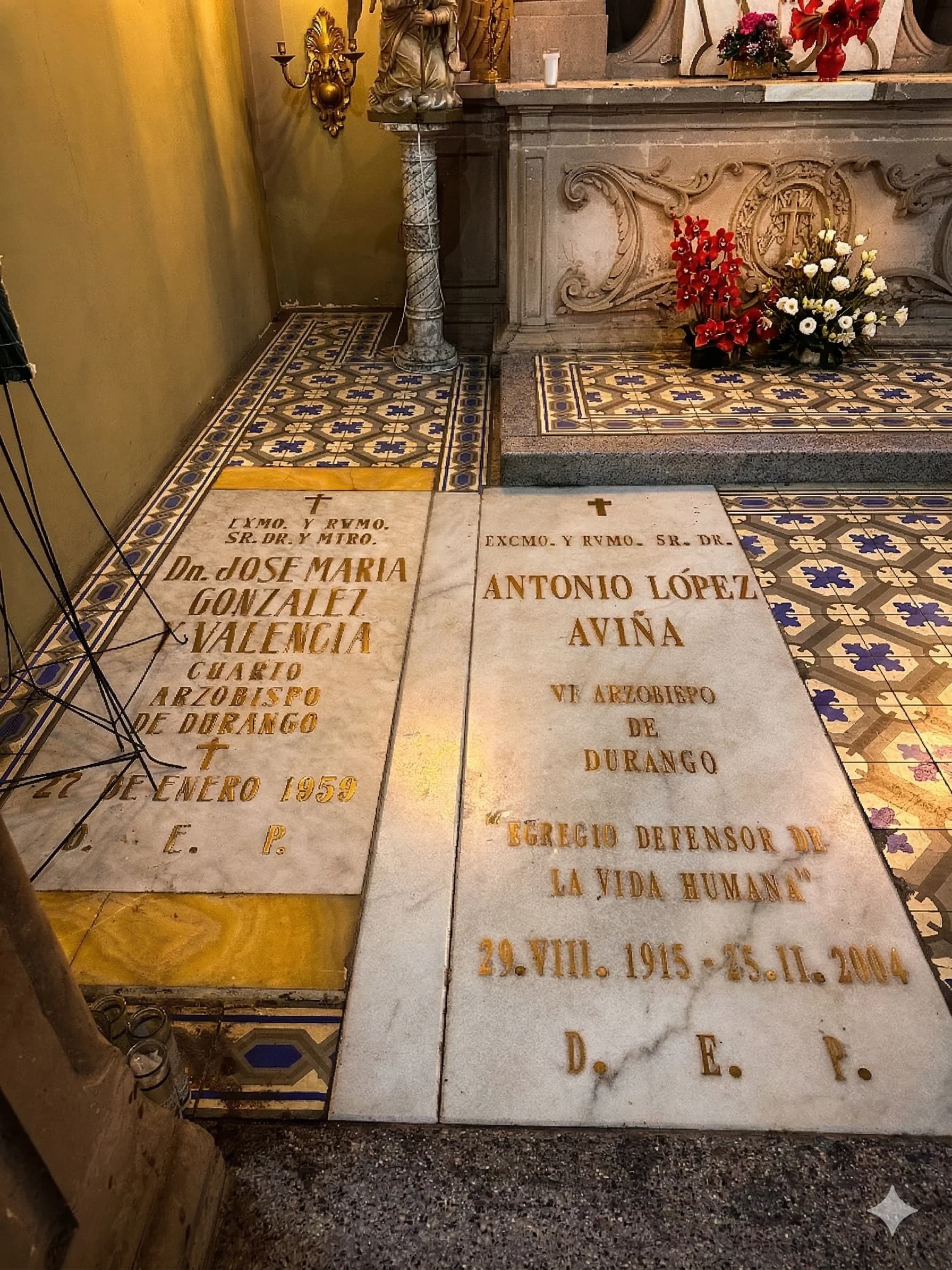
Shepherds of Durango buried in this chapel

01

Don José María González y Valencia

Fourth Archbishop of Durango

His work was vital during the turbulent years of religious persecution in Mexico.

02

Don Antonio López Aviña

Archbishop of Durango

Remembered for his long and fruitful archdiocese, a pillar of the contemporary Durango community.

03

Don Francisco Ferreira y Arreola

First Bishop of the Diocese of Texcoco

Links Durango to the center of the country through his episcopal legacy.

The Altar and Its Surroundings

Gallery

Neoclassical Altar
Star Vault
Virgin of Guadalupe
Altarpiece Detail
Chapel of Guadalupe
White Quarry Stone
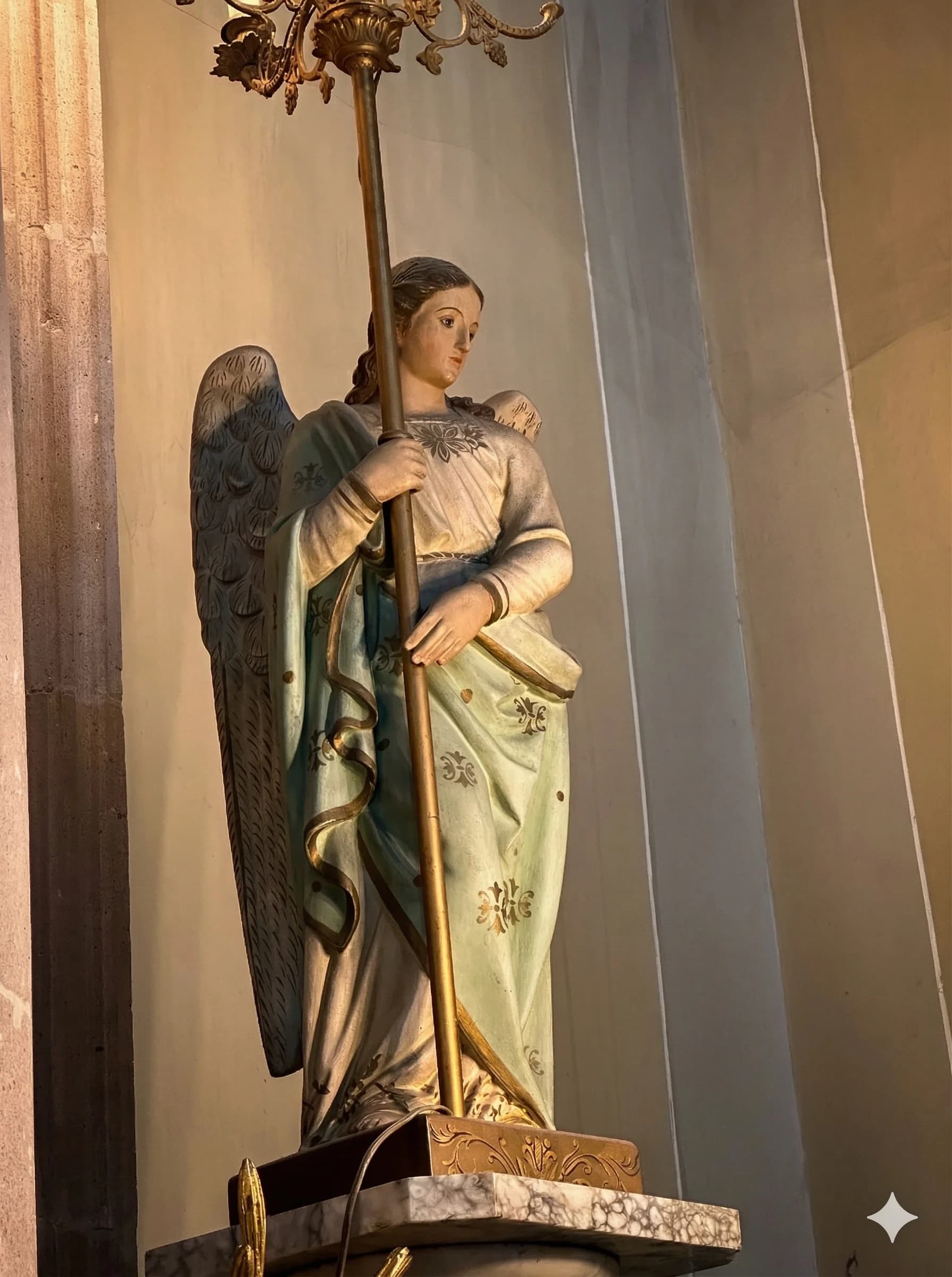
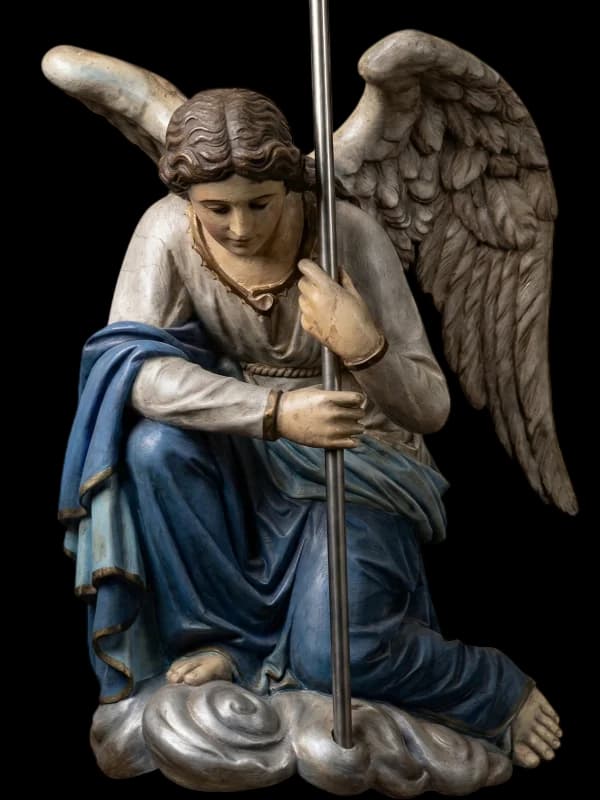
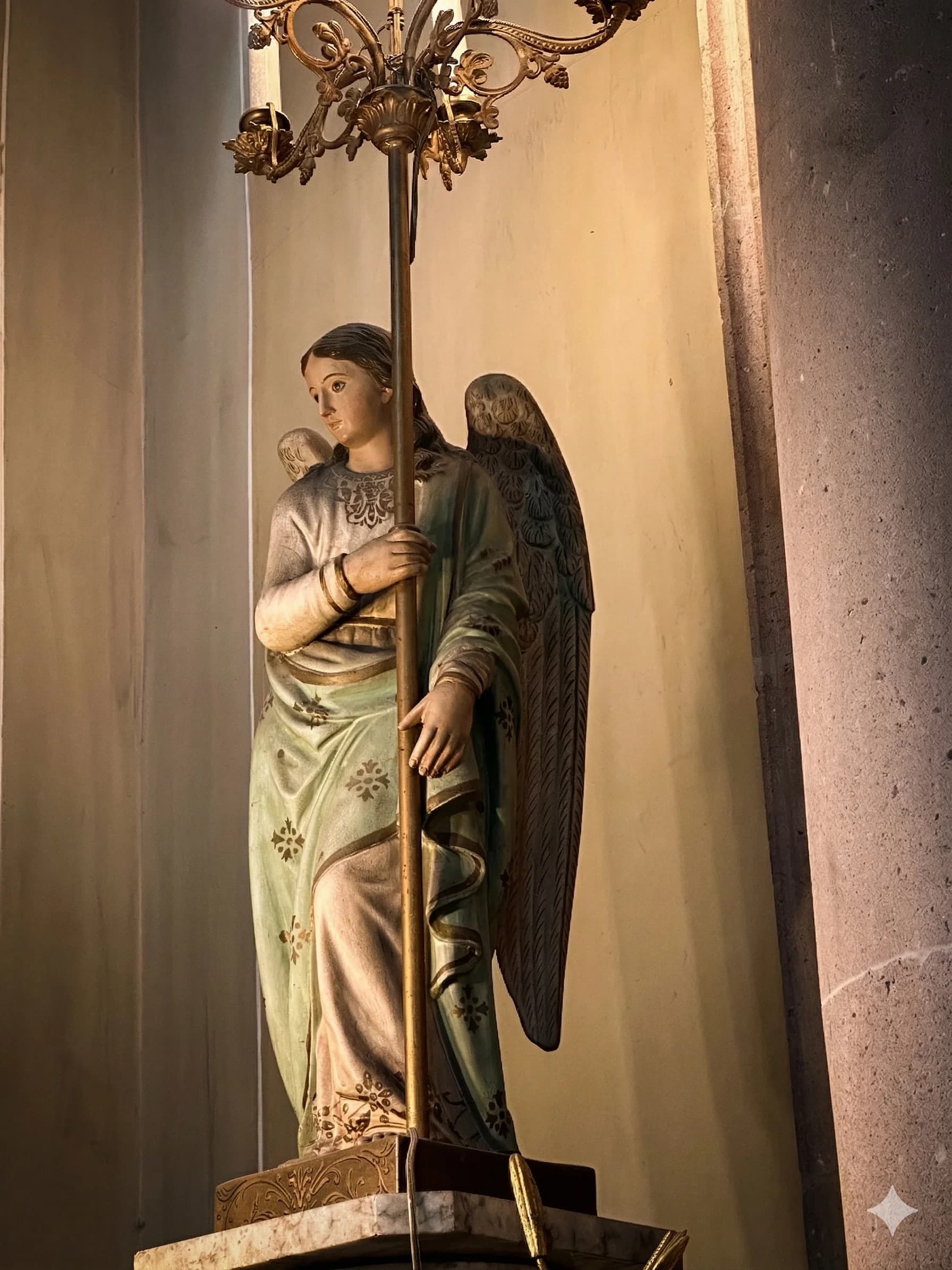
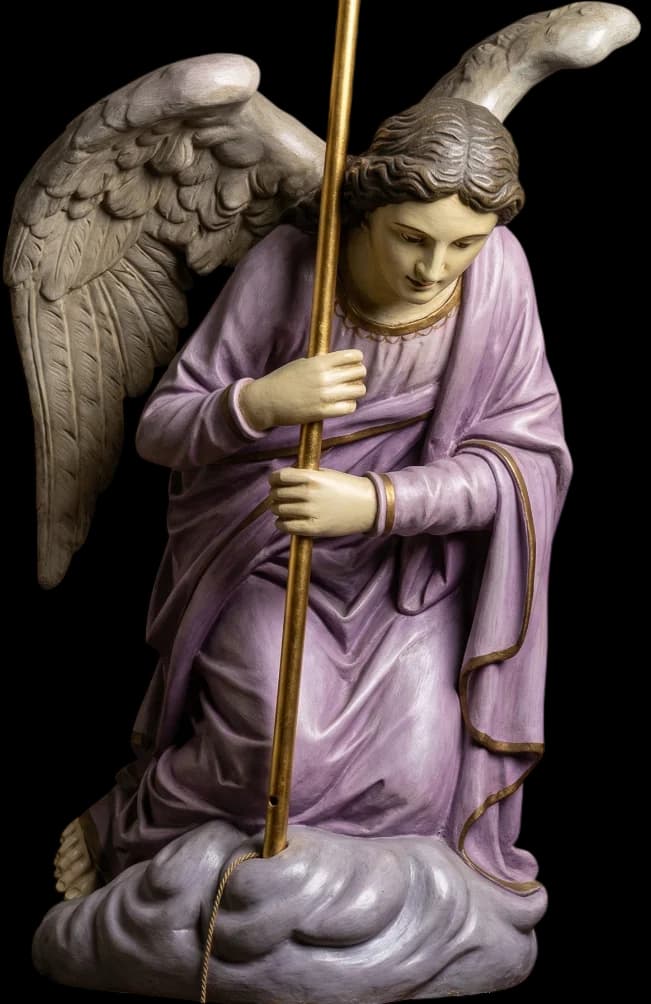
Guardian Angels
Relics of the Aedicule

Cathedral Basilica of Durango
Since 1531, the image that has defined the soul of the nation